
Reviewed · KILIMANJARO TREKS
7-Day Kilimanjaro Climb Machame Route–The Best Path to Uhuru Peak
Africa’s highest point begins with a forest walk. This seven-day climb from Moshi follows the scenic Machame Route through rainforest, heath, alpine desert, and high ridges before reaching Uhuru Peak at 5,895 meters. I like the route’s built-in acclimatization pattern, especially the high climb to Lava Tower followed by a lower night at Barranco Camp. I also like that the package includes guides, porters, a cook, camping equipment, meals, airport transfers, emergency oxygen, and basic first aid.
The main caution is the summit day. A 10 to 12 hour push begins shortly after midnight, reaches the top, then continues down to Mweka Camp. This is not a casual week in the hills. You need a moderate fitness level, good personal gear, and a realistic attitude toward altitude, cold, fatigue, and basic camping.
In This Review
- Key points before you book
- What the $2,812 price really covers
- Day 1: Machame Gate to rainforest camp
- Day 2: Heath and moorland on the way to Shira
- Day 3: Lava Tower and the Barranco descent
- Day 4: Climbing the Barranco Wall to Karanga
- Day 5: Barafu Camp and an early night
- Day 6: Uhuru Peak and the long descent
- Day 7: Mweka Trail and the return to Moshi
- The people who shape the climb
- Who should choose this seven-day route?
- What to arrange before arrival
- Should you book the Machame Route?
- FAQ
- Where does the Kilimanjaro climb start?
- Where does the climb end?
- How long is the Machame Route climb?
- What is the highest point reached?
- Is this a private tour?
- Are airport transfers included?
- Are meals included?
- Is personal hiking gear included?
Key points before you book
- The route changes scenery every day: You move from rainforest to moorland, alpine desert, rocky valleys, and the high volcanic summit zone.
- Lava Tower helps with acclimatization: You climb to 4,600 meters on Day 3, then sleep lower at Barranco Camp.
- The summit day is long: The climb to Uhuru Peak and descent to Mweka Camp takes about 10 to 12 hours.
- The staff support is a major part of the value: A mountain guide, assistant guides, porters, and cook are included, along with their wages.
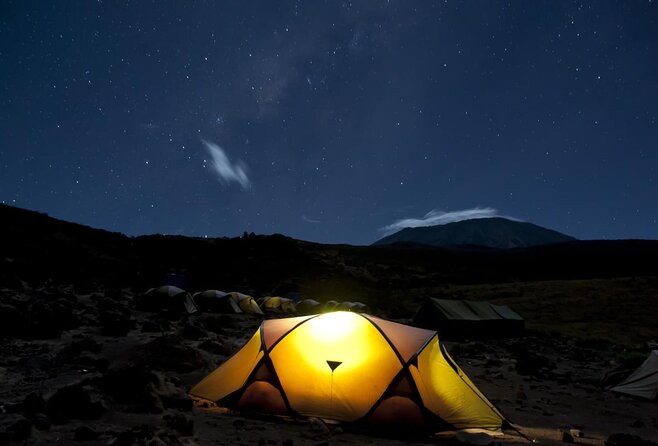
- Camping is fully arranged: Tents, mattresses, tables, camp chairs, fresh drinking water, and daily hot wash water are provided.
- This is a private activity: Only your group participates, which can make pacing and daily decisions more personal.
What the $2,812 price really covers
The price is $2,812 per person. That sounds steep until you see how much is bundled into seven days on a major African peak. You receive return transfers between Kilimanjaro Airport and Moshi, park-related fees and taxes, camping equipment, meals, drinking water, hot water for washing, and a full mountain support team.
The staffing is especially important. This is not a self-guided walk with a tent dropped at the trailhead. You have a qualified mountain guide, assistant guides, porters, and a cook. Their wages are included, which makes the cost easier to judge and also gives you a clear reminder to treat the crew fairly and respectfully.
Seven dinners, seven lunches, and six breakfasts are included. That covers the mountain schedule, but you still need to budget for snacks, drinks not specified, personal medicine, water-purifying tablets, flights, visas, insurance, and personal items.
A portable toilet is optional but highly recommended. That extra cost may be worth it if you prefer more privacy at camp. Personal hiking and trekking gear is also separate. You can rent equipment from stores in Moshi, but do not leave all gear decisions until the last minute. A seven-day climb is a poor place to discover that your boots, sleeping bag, or waterproof layers do not suit you.
More Kilimanjaro routes and climbs:
- Kilimanjaro climb by Lemosho Route (7-day)
★ 5.0 · 651 reviews - Kilimanjaro climb, Machame Route (7-day)
★ 5.0 · 262 reviews - Kilimanjaro Climbing Lemosho Route 8 Days.
★ 5.0 · 186 reviews
Day 1: Machame Gate to rainforest camp
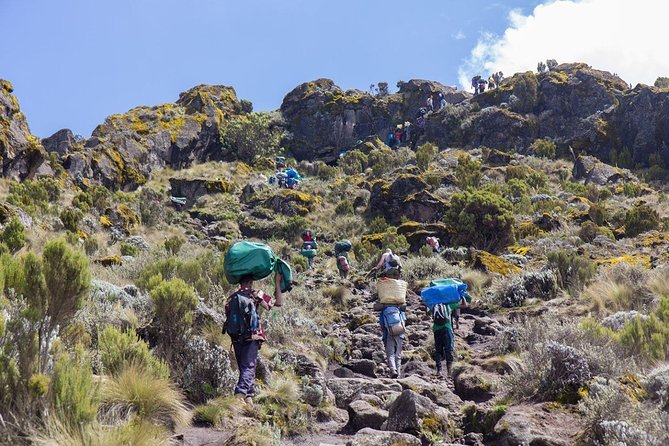
The climb begins at Machame Gate, with an elevation change from 1,800 to 2,835 meters. The walking time is about five to seven hours, depending on the pace and conditions.
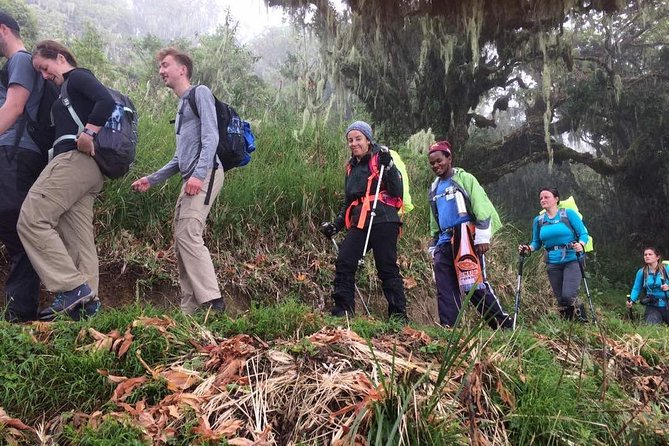
The first day gives you a gentle visual introduction to Kilimanjaro. The route passes through thick rainforest, with unusual plant life and possible animal sightings. The forest is also a useful reminder that Kilimanjaro is not simply a rock climb. The mountain has several distinct ecological zones, and you start in the warmest, wettest one.
Machame Camp is the first night’s base. The climb is not yet at its hardest, but the elevation gain is real. Keep your pace steady. There is no prize for reaching camp far ahead of everyone else, and the week works better when you conserve energy from the start.
Day 2: Heath and moorland on the way to Shira
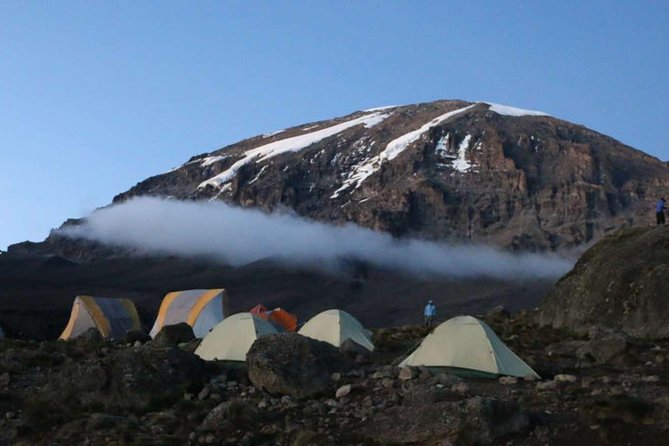
Day 2 climbs from 2,835 to 3,750 meters and takes about four to six hours. The forest gives way to heath and moorland, opening the views toward Kibo Peak and the valleys below.
Shira Cave Camp sits on the Shira Plateau. This is a striking change from the first day, with more open ground and a greater sense of altitude. The route gives you time to settle into the climbing rhythm before the demanding summit section.
The shorter walking time does not mean the day is effortless. You gain more than 900 meters, and altitude can affect you even when your legs feel fine. Drink the provided water, follow your guide’s pace, and tell the guide promptly if you feel unwell. The point of a seven-day route is to give your body time to adjust, not to force a fast schedule.
Day 3: Lava Tower and the Barranco descent
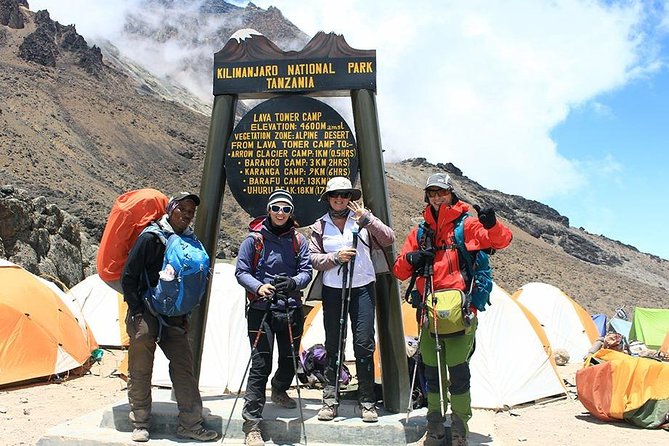
Day 3 is one of the most useful and memorable parts of the climb. You rise from 3,750 meters to Lava Tower at 4,600 meters, then descend to Barranco Camp at about 3,900 meters. The total walking time is around six to eight hours.
This high climb followed by a lower overnight stop is valuable for acclimatization. You get time at a much higher elevation without sleeping there. It also provides a clear test of how your body is responding before the summit push.
The terrain becomes alpine desert, with broad volcanic views and far less vegetation. The route feels more exposed and rugged than the earlier forest sections. The descent to Barranco is not just a change in scenery. It gives your body a chance to recover before the next days of climbing.
Barranco Camp is at the foot of the Barranco Wall. Seeing that wall ahead may make you question your choices over dinner. That reaction is normal. The following morning, the route tackles it with a scramble rather than a technical climb.
A few more trips of this kind worth comparing:
- Climbing Kilimanjaro through 7 days Machame Route
★ 5.0 · 151 reviews - 7 Days Kilimanjaro via Machame route affordable price
★ 5.0 · 110 reviews - Private Kilimanjaro Hike 7 Day Lemosho Route
★ 5.0 · 60 reviews - 7-Day Magical Tanzania Safari -Premium High End Package
★ 5.0 · 53 reviews
Day 4: Climbing the Barranco Wall to Karanga
The fourth day is shorter, about four to five hours, and rises from 3,900 to 4,035 meters. The headline feature is the Barranco Wall, followed by a walk through valleys to Karanga Camp.
The wall is thrilling but described as a safe scramble. You will use your hands in places, and your guide will help with route choice and pacing. It is not presented as a technical rock-climbing section, but you still need steady footing and a willingness to move carefully.
Karanga Camp is only slightly higher than Barranco, yet the day matters. The route keeps you at altitude while limiting the total walking time. This is a preparation day for Barafu and the summit attempt, so do not treat it as an easy sightseeing stop.
The valley sections provide a useful break from the wall. They also make the mountain feel less like a single uphill slog. You cross changing ground, manage your breathing, and gradually move toward the high camps.
Day 5: Barafu Camp and an early night
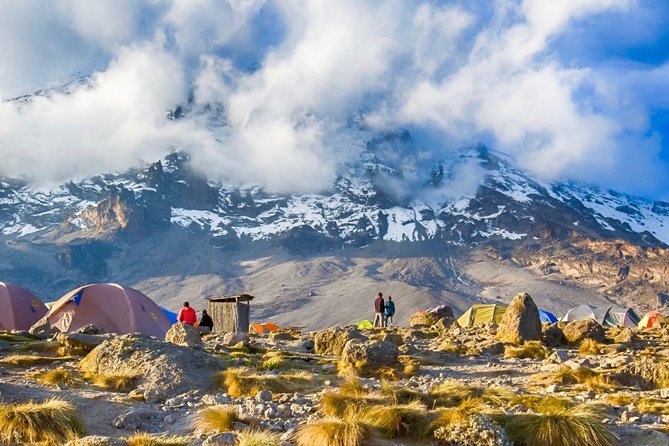
Day 5 climbs from 4,035 to 4,640 meters and takes about four to five hours. The destination is Barafu Camp, the launch point for the summit attempt.
The walk is a gradual ascent, but the altitude now affects the experience. Barafu is high, cold, and focused on preparation rather than comfort. You need to rest early because the summit start comes just after midnight.
This is a good day to check every item you will need for the final climb. Keep warm layers, gloves, water, snacks, headlamp equipment if supplied or personally carried, and any personal medicine close at hand. The supplied information does not list a headlamp, so confirm that detail before departure.
The mountain team prepares meals and camp support, while you conserve energy. Some of the strongest feedback about this operator focuses on care, food, and safety. Former climbers specifically praised guides and porters for frequent checks, good meals, and a positive attitude. That support matters most here, when the excitement has worn off and the summit day feels very close.
Day 6: Uhuru Peak and the long descent
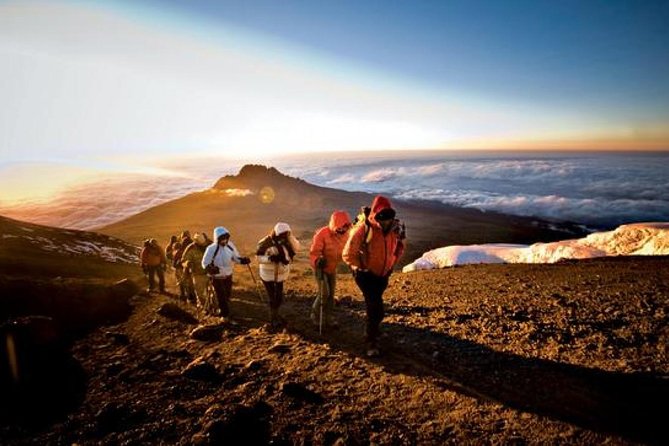
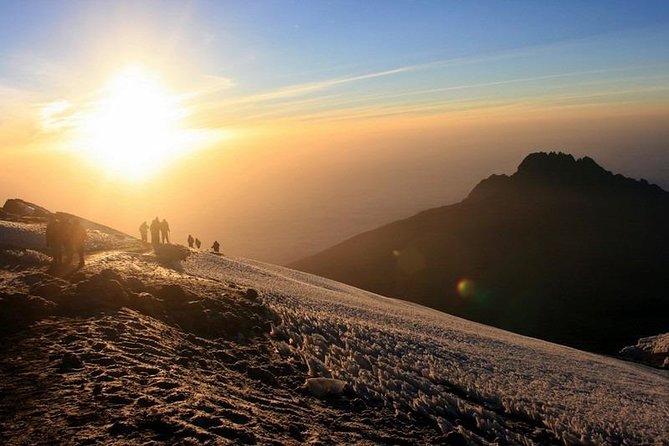
Summit day begins just after midnight. You climb from Barafu at 4,640 meters to Uhuru Peak at 5,895 meters, then descend all the way to Mweka Camp at 3,080 meters. The full day takes roughly 10 to 12 hours.
The night start is practical. It lets you reach the summit during the morning hours, then begin the descent rather than spending another night at extreme altitude. It is also physically demanding. You will walk in darkness and cold, often slowly, with the summit still seeming far away.
Uhuru Peak is the highest point in Africa. Reaching it is the defining goal of the trip, but the descent deserves equal respect. Once you have celebrated at the summit, you still have to lose nearly 2,800 meters before resting at Mweka.
Emergency oxygen is included for emergencies only. It is not intended as a performance aid or routine summit support. Basic first aid is also included. This does not replace travel or health insurance, personal medicine, or honest communication with your guide about symptoms.
The most useful attitude on this day is patience. The mountain does not care how quickly you want the photograph. Follow the guide, keep drinking, eat what you can, and focus on the next manageable section.
Day 7: Mweka Trail and the return to Moshi
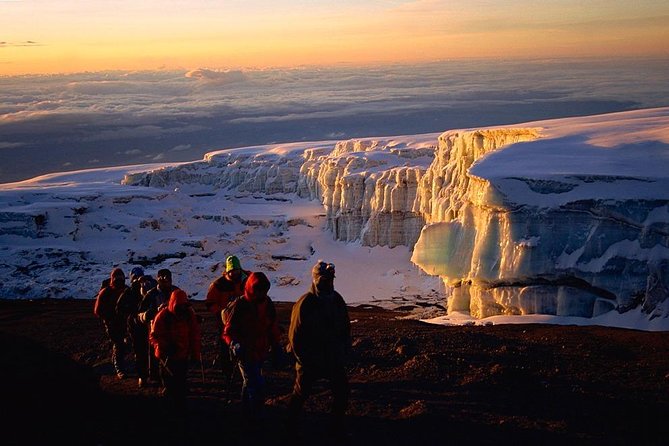
The final day descends from 3,080 to 1,640 meters through rainforest. Walking takes about three to four hours, ending at Mweka Gate.
After breakfast, the route provides a welcome return to lower altitude and thicker vegetation. Your legs may feel tired from the summit day, but the walking is shorter and downhill. At Mweka Gate, you receive your summit certificate before returning to Moshi.
The itinerary ends back at the meeting point in Moshi Urban. Airport transfers to and from Kilimanjaro Airport are included, which simplifies the beginning and end of the trip. Still, check your flight timing carefully. The mountain schedule and airport transfer are included, but flights themselves are not.
The people who shape the climb
The crew can make or break a Kilimanjaro climb. The strongest praise here centers on the mountain staff, not just the scenery. Guides named in the feedback include Frazier, Justin, Abraham, and Joan, with Frazier and Joan also praised for help before and during the trip.
The comments point to three practical strengths: safety checks, food, and morale. That combination matters. A guide who monitors your condition helps with altitude decisions. A cook who keeps meals coming helps you maintain energy. A crew with a positive Hakuna Matata attitude can make a hard morning feel more manageable.
You should still ask your booking contact for the final guide details, crew size, tipping guidance, and equipment list. Those points are not specified here, and it is better to have clear answers before arriving in Moshi.
Who should choose this seven-day route?
This climb suits you if you want Kilimanjaro’s changing ecological zones, prefer a private trip, and can handle a demanding summit day. You do not need to be an experienced mountaineer based on the stated requirements, but you do need moderate physical fitness and the ability to walk for long hours at altitude.
The route is also a good match if acclimatization matters to you. The climb to Lava Tower and descent to Barranco gives the schedule more altitude exposure than a rushed itinerary. That does not guarantee summit success, but it is a sensible design.
It may not suit you if you want hotel comforts, short walking days, or a relaxed holiday pace. Camping equipment is supplied, but this remains a mountain trip. You will sleep in tents, use basic camp facilities, and manage cold, fatigue, and changing conditions.
The private format is useful for couples, families, or friends who want to remain together. Group discounts are available, though the exact discount is not stated. Ask for the current terms before booking.
What to arrange before arrival
Flights and visas are not included. Travel and health insurance are also your responsibility. The package information states that yellow fever vaccination is compulsory, so check the current entry and health requirements before you travel.
Personal trekking gear is not included. You may rent equipment in Moshi, but make a written list before you arrive. Personal medicine, water-purifying tablets, snacks, and unspecified meals or drinks are also separate.
The operator confirms bookings at the time of reservation. Cancellation is free up to three full days before the start time. After that point, the amount paid is not refunded, and late changes are not accepted. Cut-off times use local Tanzanian time.
Should you book the Machame Route?
I would choose this trip if I wanted a well-supported, private Kilimanjaro climb with varied scenery and a schedule designed around acclimatization. The package covers the costly basics, and the repeated praise for Frazier, Justin, Abraham, Joan, the guides, porters, and cook gives the human side of the climb real weight.
I would pause if you are underprepared for the 10 to 12 hour summit day or expect personal gear and insurance to be included. Rent or buy your equipment carefully, confirm the portable toilet and headlamp arrangements, and speak openly with the operator about medical needs.
For a fit first-time climber who understands that Uhuru Peak requires work, this seven-day Machame Route offers a strong balance of scenery, support, and time for altitude adjustment. At $2,812, it is a serious purchase, but the included staff, meals, camping setup, transfers, fees, and safety equipment make the value easier to justify.
FAQ
Where does the Kilimanjaro climb start?
The activity starts in Moshi Urban, Tanzania.
Where does the climb end?
The activity ends back at the meeting point in Moshi after the descent to Mweka Gate.
How long is the Machame Route climb?
The climb lasts approximately seven days.
What is the highest point reached?
The route reaches Uhuru Peak at 5,895 meters, the highest point in Africa.
Is this a private tour?
Yes. Only your group participates in the activity.
Are airport transfers included?
Yes. Return transfers between Kilimanjaro Airport and Moshi are included.
Are meals included?
Yes. The package includes seven dinners, seven lunches, and six breakfasts. Snacks and meals or drinks not specified are not included.
Is personal hiking gear included?
No. Personal hiking and trekking gear is not included, though you can rent equipment from stores in Moshi.
Just added around Moshi
- Moshi: Lake Chala Tour: Hiking &/or Kayaking★ 4.5 · 3 reviews
- 3 Days Tanga Exclusive Beach Holiday★ 5.0 · 3 reviews
- Serengeti Wildebeest Migration.★ 5.0 · 3 reviews
- Chemka Hotpsrings E-Bike Day Trip★ 5.0 · 3 reviews
- Explore 1 day Ngorongoro Crater Budget Group Safari from Arusha★ 5.0 · 3 reviews
- Explore the 360° of Kilimanjaro★ 5.0 · 3 reviews
- Affordable Short Tanzania Safari (2 Days Camping Safari)★ 5.0 · 3 reviews
- Rongai Route 7 Days★ 5.0 · 3 reviews
Kilimanjaro Treks, compared.



8-Day Small-group Lemosho Kilimanjaro Summit Trekking
Read our review →


Climbing Kilimanjaro through 7 days Machame Route
Read our review →

Browse the lists this tour appears in