
Reviewed · KILIMANJARO TREKS
A Definitive Guide For the 7-day Kilimanjaro’s Lemosho Route 2025
Kilimanjaro rewards patience more than speed. This 7-day Lemosho route gives you a longer approach to Mount Kilimanjaro, with an extra acclimatization day before the hardest sections. I like the route’s gradual profile and its changing habitats, from rainforest to moorland, alpine desert, and the icy summit zone. I also like that tents, meals, park transfers from Moshi, a professional guide, and a trekking certificate are included.
The main concern is the headline price of $1,250 per person. It covers many important services, but park fees, tips, personal hiking equipment, hotels, and flights are extra. You should ask for the full cost before paying, since the advertised figure is not the final price of the trip.
In This Review
- Key points before you book
- Why Lemosho is a smart seven-day choice
- Day 1: Londorossi Gate to Forest Camp
- Day 2: Forest Camp to Shira Camp
- Day 3: Shira 1, Shira 2, and Moir Hut
- Day 4: Moir Hut to Lava Tower and Barranco Camp
- Day 5: Barranco to Karanga and Barafu Camp
- Day 6: Barafu Camp to the summit and Mweka Camp
- Day 7: Mweka Camp to Moshi
- What the $1,250 price really covers
- Guides, porters, food, and group size
- Best months and practical preparation
- Is the seven-day Lemosho route worth booking?
- FAQ
- How long is the Kilimanjaro Lemosho route?
- What is the highest point reached?
- Are meals and camping equipment included?
- Are Kilimanjaro park fees included in the price?
- Is pickup and drop-off included?
- When can I cancel for a full refund?
Key points before you book
- Extra acclimatization time: Seven days gives your body more time to adjust than shorter Kilimanjaro itineraries.
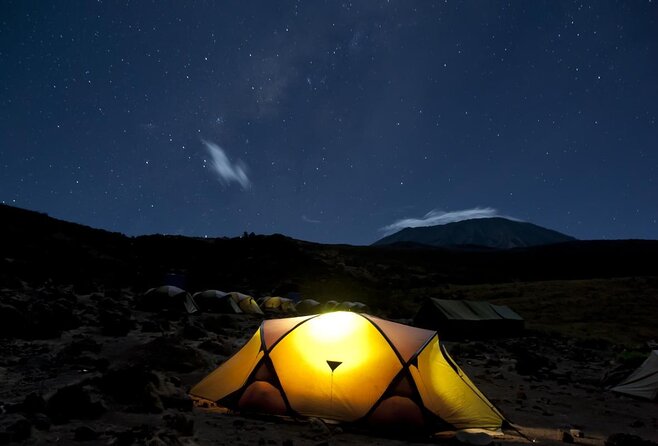
- A scenic western approach: Lemosho crosses the mountain through rainforest, moorland, semi-desert, alpine desert, and Arctic conditions.
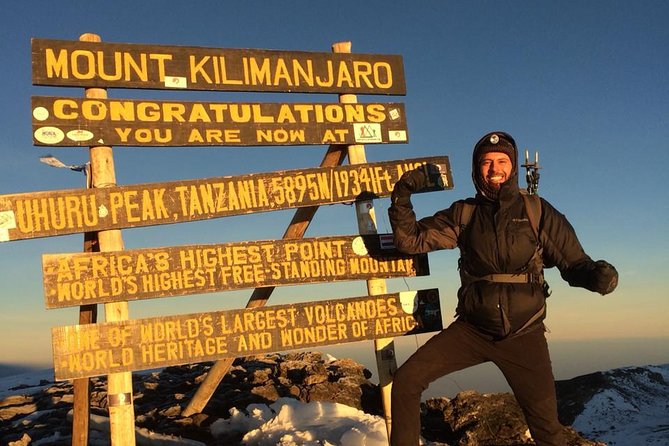
- Serious summit day: You climb from Barafu Camp to 19,345 feet, then descend all the way to Mweka Camp.
- Meals and camping included: Tents, sleeping mattresses, breakfast, lunch, and dinner are provided during the trek.
- Positive guiding reports: Edwin, Moodie, and the wider guide and porter team received praise for support, pacing, local knowledge, and encouragement.
- Dry-season timing matters: The recommended periods are mid-December to mid-March and mid-June to October.
Why Lemosho is a smart seven-day choice
Kilimanjaro is not a technical climb in the usual mountaineering sense, but the height makes it demanding. The summit reaches 19,345 feet, or 5,895 meters, and altitude can affect strong hikers as easily as less experienced ones. The value of this itinerary is not simply the extra day on a calendar. It is the slower rise in altitude.
The Lemosho route begins at about 7,800 feet and takes you through several climate zones. You start in rainforest, reach open moorland, cross the Shira Plateau, and then spend time near the high volcanic terrain around Lava Tower and Barranco. That change keeps the walk interesting, but it also gives your body a better chance to adjust before summit night.
I like the fact that the route does not rush straight toward the top. The itinerary includes a high point at Moir Hut, then drops slightly to Barranco Camp before the final push. That pattern of walking high and sleeping lower is useful for acclimatization, even though the route remains physically tough.
The route is not easy just because it is gradual. Day five lasts up to 10 hours, and summit day includes a steep ascent followed by a long descent. You need a moderate level of physical fitness, and you should be comfortable walking for several hours on consecutive days.
More Kilimanjaro routes and climbs:
- Kilimanjaro climb by Lemosho Route (7-day)
★ 5.0 · 651 reviews - Kilimanjaro climb, Machame Route (7-day)
★ 5.0 · 262 reviews - Kilimanjaro Climbing Lemosho Route 8 Days.
★ 5.0 · 186 reviews
Day 1: Londorossi Gate to Forest Camp
The first day covers about 6 kilometers, with three to four hours of walking. You rise from 7,800 feet to 9,500 feet and enter the rainforest zone.
This is a gentle introduction compared with the days ahead. The forest gives you shade and a clear sense that you are entering a protected mountain environment. It is also the point where practical organization matters. Registration, gear checks, and the walk itself all need to happen without wasting energy.
You will sleep at Forest Camp. Since the elevation gain is moderate, this night is mainly about settling into the rhythm of the trek. Keep your pace slow from the start. A common mistake on Kilimanjaro is spending too much energy on the first two days because the trail feels manageable.
Pickup is provided from your hotel in Moshi to Londorossi Gate. Accommodation in Moshi before and after the climb is not included, so plan for those nights separately.
Day 2: Forest Camp to Shira Camp
The second walking day covers 8 kilometers and takes about five to six hours. You climb from 9,500 feet to 11,500 feet, leaving the rainforest behind for moorland.
The scenery opens up here. The change from thick forest to broad, high-country vegetation makes this one of the more memorable transitions on the route. You also gain 2,000 feet, so the short distance should not fool you. Walk slowly, drink regularly, and let the guide set the pace.
Shira Camp is part of the wide Shira Plateau, where the route begins to feel more exposed. You may find the air noticeably cooler and thinner than it was in the forest. This is a good night to check your clothing, sleeping system, and daypack before the longer high-altitude days.
Day 3: Shira 1, Shira 2, and Moir Hut
The third day is one of the most useful acclimatization days. The plan covers about 14 kilometers and takes five to seven hours, moving from 11,500 feet to 13,800 feet at Moir Hut.
The trail crosses the Shira area before heading toward Moir Hut. The long walking time gives you a chance to adjust to the height without making a direct race for the summit. The terrain is moorland, with fewer trees and a more open feel.
Moir Hut is a high camp, and the elevation can be challenging. Some people may feel headaches, poor sleep, or a reduced appetite at this stage. Those symptoms should be taken seriously. Tell your guide how you feel instead of trying to hide discomfort to keep the group moving.
The route’s gradual profile is most valuable here. You spend time high on the mountain before the summit attempt, rather than arriving at extreme altitude in one sudden jump.
A few more trips of this kind worth comparing:
- Climbing Kilimanjaro through 7 days Machame Route
★ 5.0 · 151 reviews - 7 Days Kilimanjaro via Machame route affordable price
★ 5.0 · 110 reviews - Private Kilimanjaro Hike 7 Day Lemosho Route
★ 5.0 · 60 reviews - 7-Day Magical Tanzania Safari -Premium High End Package
★ 5.0 · 53 reviews
Day 4: Moir Hut to Lava Tower and Barranco Camp
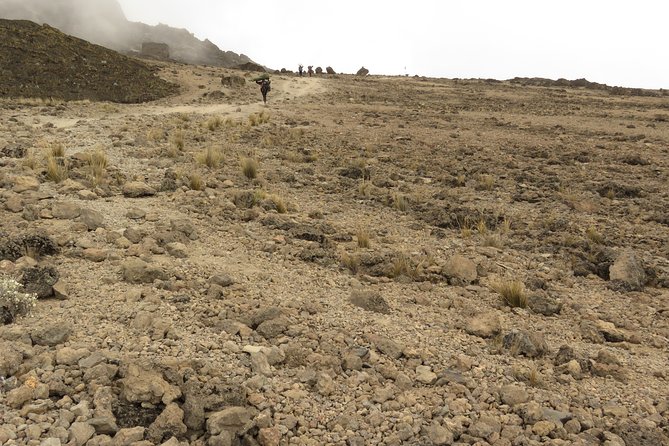
This day covers 7 kilometers and takes four to six hours. You climb to the Lava Tower area at about 15,000 feet before descending to Barranco Camp at roughly 13,000 feet. The listed camp elevation is a little lower than the Moir Hut elevation, which creates a useful acclimatization pattern.
The habitat changes to semi-desert. Vegetation becomes sparse, and the volcanic setting feels more severe. Lava Tower is an important high point of the route, even though you do not sleep there. Reaching that elevation gives your body a test before the final summit attempt.
The descent to Barranco is not wasted effort. Sleeping lower after walking high can help with altitude adjustment. Barranco Camp also sets up one of the route’s most famous physical challenges, the Barranco Wall, which comes early the next morning.
This is a good day to stay focused on how you feel rather than how fast you are moving. At 13,800 feet, a short walk can feel like a long one. The guide’s role is especially important here, and the company’s guiding team has been praised for keeping a steady, demanding but manageable pace.
Day 5: Barranco to Karanga and Barafu Camp
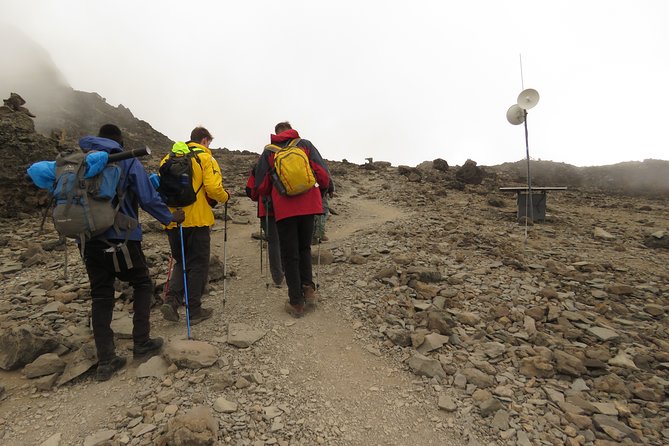
Day five is the biggest full walking day before the summit. You cover about 9 kilometers in eight to ten hours, moving from 13,000 feet through Karanga Camp to Barafu Camp at 15,000 feet.
The route climbs from Barranco toward Karanga before continuing to Barafu. The terrain is alpine desert, with little shelter and a strong sense of exposure. This is not the day for a leisurely pace or a heavy, poorly packed bag.
Barafu Camp is the launch point for the summit attempt. You will have a short rest period before leaving for the top, so use the camp time well. Eat what you can, organize your summit clothing, refill your water, and follow the guide’s instructions.
The schedule makes this day demanding because it combines a substantial hike with preparation for the hardest hours of the entire trip. You should understand that summit success is never guaranteed. Fitness, weather, sleep, and altitude all matter.
Day 6: Barafu Camp to the summit and Mweka Camp
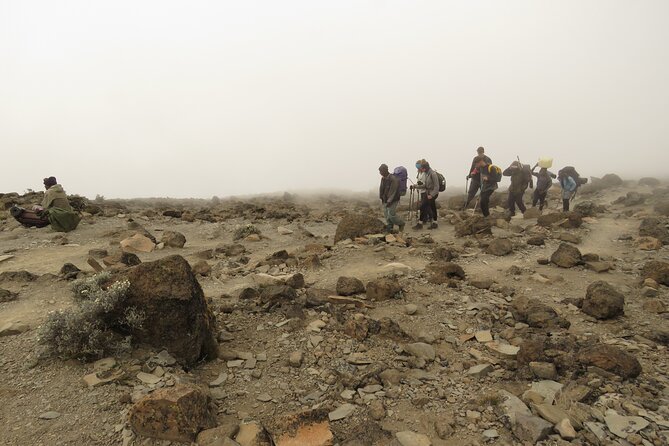
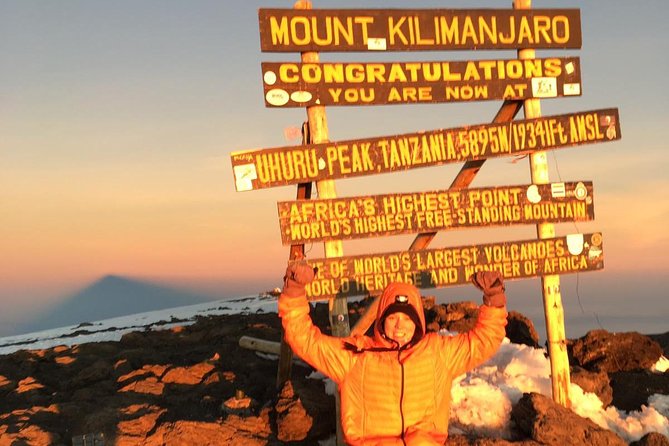
Summit day is the defining test. You climb from about 15,300 feet to 19,345 feet, covering 5 kilometers on the ascent. The ascent takes seven to eight hours, followed by a 12-kilometer descent of four to six hours to Mweka Camp at roughly 10,000 feet.
The habitat is Arctic. Temperatures and conditions can be severe, and the high elevation makes every step slower. The distance to the top is not enormous on paper, but altitude changes the meaning of distance. A steady pace and encouragement from the guide can make a major difference.
The descent is long and often overlooked when people plan their effort. After reaching the summit, you still have to lose more than 5,000 feet before sleeping at Mweka Camp. Your legs may be tired, so poles and properly fitted footwear are particularly useful personal items.
The company’s guides and porters have received strong praise for encouragement during this stage. One guide named Moodie was specifically appreciated for helping keep the climb pleasant and supporting the push to the peak. Another guide, Edwin, was praised for explaining the mountain’s vegetation and animals while keeping a demanding but manageable pace.
A trekking certificate is included after completion. Treat it as a pleasant record of the achievement, not the reason to climb. The real reward is reaching Uhuru Peak after six days of patient progress.
Day 7: Mweka Camp to Moshi
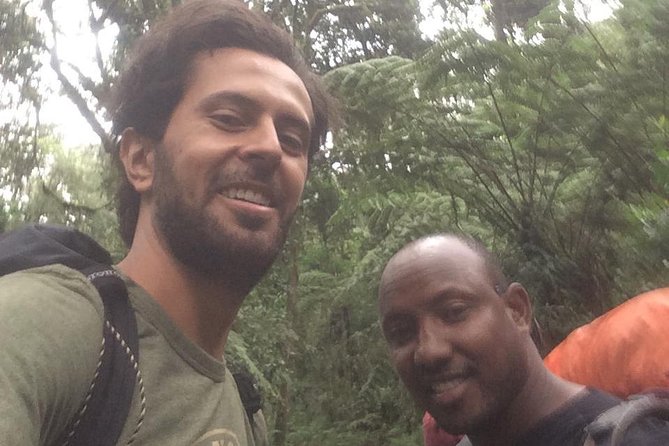
The final day descends 10 kilometers from about 10,000 feet to 5,400 feet. Walking time is three to four hours, and the route returns to rainforest.
This is usually a relief after summit day. The air feels thicker, the vegetation returns, and the trail becomes a final walk out of the mountain environment. Your knees may feel the descent, even though the day is shorter.
A transfer from Mweka Gate to your Moshi hotel is included. The activity ends back at the meeting point in Moshi, at Africa Natural Tours on Mkwawa Avenue. Airport transfers are not included, so do not assume the Moshi hotel transfer covers your arrival or departure from Tanzania.
What the $1,250 price really covers
At $1,250 per person, the trip offers useful coverage for a seven-day camping trek. You receive quality tents, sleeping mattresses, meals, a professional hiking guide, transfers between Moshi and the mountain gates, a briefing, and a certificate.
Food is provided as breakfast, lunch, and dinner during the trek. The cooking team has been praised for the meals, which matters more than it may sound when you are walking for hours at altitude. Still, the supplied details do not specify menus, drinks, snacks, or dietary arrangements. Ask about special diets before booking.
The major extra is the collection of Mount Kilimanjaro park fees. These can be paid directly to the park or through the tour operator, but they are not included in the $1,250 price. Tips for the mountain crew are also extra and should be planned as part of the total budget.
You must also pay for:
- Hotels in Moshi before and after the trek
- International or domestic flights
- Airport pickup and drop-off
- Personal hiking clothing and equipment
- Mountain crew tips
- Kilimanjaro park fees
That makes the price attractive only after you compare the complete package cost. Ask for a written breakdown of park fees, transfers, hotels, and any other charges.
Guides, porters, food, and group size
The human side of a Kilimanjaro climb can shape the whole experience. The strongest praise for this operation focuses on the guide and porter team, including their kindness, encouragement, and practical support. The cooking team also received particular credit for making meals during the climb.
That does not remove the need to ask sensible questions. A maximum group size of 50 is listed, which is large for a mountain experience. Your actual group may be smaller, but you should confirm the expected number of climbers, guides, porters, and cooks before booking.
A large group can bring energy and shared motivation, but it may also mean slower decisions and a wider range of walking speeds. If you want a quieter climb, ask how groups are divided on the trail and at camp.
The meeting point is the Africa Natural Tours office on Mkwawa Avenue in Tanzania. Pickup is offered from a hotel in Moshi, and the return transfer goes from Mweka Gate to your Moshi hotel.
Best months and practical preparation
The recommended climbing windows are mid-December to mid-March and mid-June to October. These periods generally offer better conditions than the wetter seasons, but mountain weather can still change quickly.
You need a moderate physical fitness level. Prepare for long uphill walks, uneven ground, cold conditions, and a major descent after the summit. Personal hiking gear is not included, so bring or arrange suitable clothing, footwear, rain protection, warm layers, and a sleeping setup appropriate for high-altitude camping.
Keep your daypack light and carry only what you need during the day. The details provided do not explain porter baggage limits, water arrangements, medical screening, or emergency procedures, so ask about these points before you commit.
Booking confirmation is provided at the time of booking. The cancellation policy allows a full refund if you cancel at least 24 hours before the start time. Cancellations or changes made less than 24 hours before the start are not refunded or accepted. Poor weather can also lead to a different date or a full refund.
Is the seven-day Lemosho route worth booking?
I would choose this route if your main goal is to improve your summit chances without taking the longest possible itinerary. Lemosho offers attractive scenery, a slower rise in altitude, and a clear progression through Kilimanjaro’s climate zones.
It suits someone who can handle several hours of walking each day and who understands that the price is only a starting figure. The route is a poor fit if you want a short, low-cost excursion, dislike camping, or have not budgeted for park fees and personal equipment.
Before booking, confirm the full price, group size, guide arrangements, food needs, airport transport, and the exact gear you must supply. If those details are clear and you are prepared for a demanding summit day, the seven-day Lemosho route offers a sensible balance of scenery, acclimatization, support, and value.
FAQ
How long is the Kilimanjaro Lemosho route?
The experience lasts approximately seven days, including six days of mountain walking and the final descent from Mweka Camp to Moshi.
What is the highest point reached?
The summit day reaches 19,345 feet. The tour description also refers to Mount Kilimanjaro as approximately 19,000 feet high.
Are meals and camping equipment included?
Yes. Quality tents, sleeping mattresses, breakfast, lunch, and dinner during the trek are included.
Are Kilimanjaro park fees included in the price?
No. All Mount Kilimanjaro park fees are excluded. They can be paid directly to the park or through the tour operator.
Is pickup and drop-off included?
Pickup from your hotel in Moshi to Londorossi Gate and drop-off from Mweka Gate to your Moshi hotel are included. Airport pickup and drop-off are not included.
When can I cancel for a full refund?
You can cancel at least 24 hours before the experience start time for a full refund. Cancellations or changes made less than 24 hours before the start time are not accepted or refunded.
Just added around Moshi
- Moshi: Lake Chala Tour: Hiking &/or Kayaking★ 4.5 · 3 reviews
- 3 Days Tanga Exclusive Beach Holiday★ 5.0 · 3 reviews
- Serengeti Wildebeest Migration.★ 5.0 · 3 reviews
- Chemka Hotpsrings E-Bike Day Trip★ 5.0 · 3 reviews
- Explore 1 day Ngorongoro Crater Budget Group Safari from Arusha★ 5.0 · 3 reviews
- Explore the 360° of Kilimanjaro★ 5.0 · 3 reviews
- Affordable Short Tanzania Safari (2 Days Camping Safari)★ 5.0 · 3 reviews
- Rongai Route 7 Days★ 5.0 · 3 reviews
Kilimanjaro Treks, compared.



8-Day Small-group Lemosho Kilimanjaro Summit Trekking
Read our review →


Climbing Kilimanjaro through 7 days Machame Route
Read our review →

Browse the lists this tour appears in