
Reviewed · KILIMANJARO TREKS
Best 5 Days Marangu Route Climbing on Kilimanjaro
Africa’s highest summit rewards patience, not speed. This Marangu Route climb offers a straightforward path toward Uhuru Peak, with dormitory huts instead of tents, meals supplied, and a guide, cook, and porters supporting the climb. At $1,560 per person, it covers many major park and operating costs, including park fees, crew wages, meals, drinking water, and gate transfers.
I like the practical hut system and the established route, especially if you prefer not to sleep in a tent. I also like the strong praise for the company’s organization, airport pickup, professional guides, and cooking team, with Nalisis repeatedly singled out for helpful support. The main concern is the five-day schedule, which leaves little time for altitude adjustment and can make reaching the summit much harder than the gentle route name suggests.
The tour is offered from Moshi, with pickup available and a stated 8:00 am start. The advertised duration is described as five to six days, or approximately six days in the tour details, so confirm your exact schedule before paying. You can join a shared group, arrange a private climb, or take part in a group departure, with a maximum capacity of 100 people.
In This Review
- Key points to know before you book
- What the Marangu Route feels like in practice
- Day one: entering Kilimanjaro National Park
- The hut system: comfort with shared space
- The mountain environment between stops
- The hard part: five days and altitude
- The summit push to Uhuru Peak
- Food, water, and the working crew
- Group, shared, or private climbing
- What the $1,560 price really covers
- What the positive feedback tells you
- Who should choose this climb?
- Booking and cancellation details
- Should you book the five-day Marangu Route?
- FAQ
- Where does the Kilimanjaro climb take place?
- How long does the experience last?
- What time does the activity start?
- Is pickup available?
- Where does the activity end?
- What accommodation is used on the Marangu Route?
- Are meals and drinking water included?
- What is included in the tour price?
- What is not included in the price?
- Can I cancel for a full refund?
Key points to know before you book
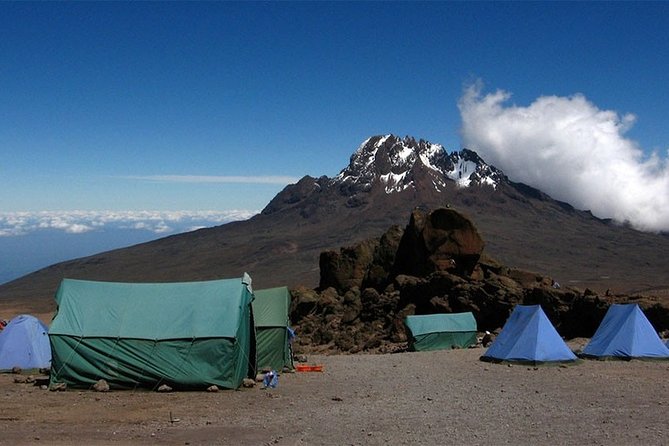
- Huts replace camping: Marangu is the only Kilimanjaro route in this program using dormitory-style mountain huts, with mattresses and pillows supplied.
- The five-day plan is demanding: The route is gradual, but the short schedule makes altitude acclimatization difficult.
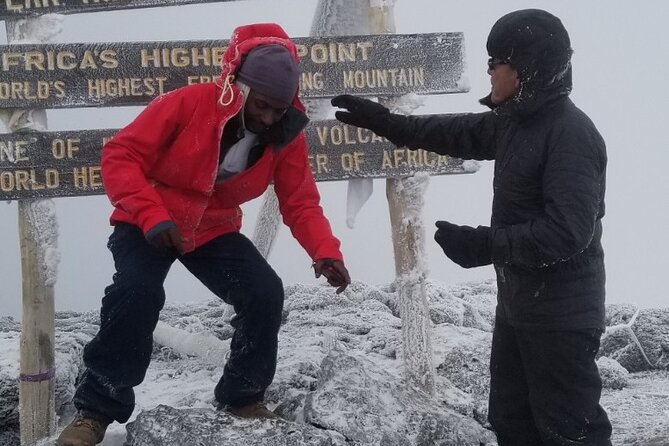
- Uhuru Peak is the goal: The climb reaches the summit of Kilimanjaro, where you can expect snow and wide views from the Roof of Africa.
- Meals and drinking water are included: Breakfast, lunch, dinner, and drinking water are part of the package.
- The same route is used up and down: This makes logistics simple but gives you less variety in scenery.
- The operator receives strong praise: Positive feedback highlights professional service, supportive staff, good cooks, airport pickup, and effective summit guidance.
What the Marangu Route feels like in practice
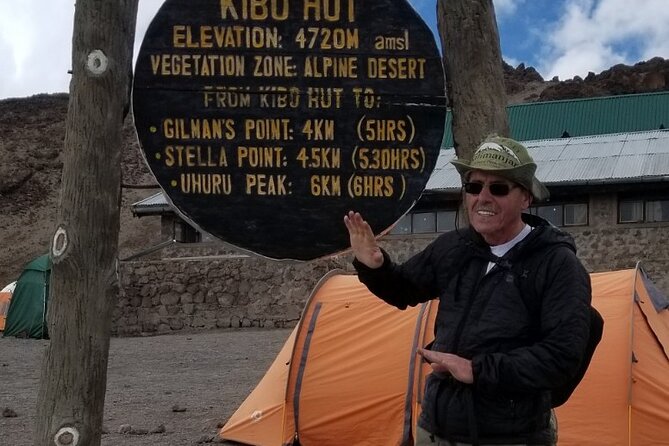
Marangu is often called the Coca-Cola Route because it is considered the easiest Kilimanjaro path in terms of slope and direction. That description needs a little caution. The route is more gradual and direct than some alternatives, but Kilimanjaro is still a high-altitude mountain, and the summit day remains physically demanding.
The main advantage is simplicity. You follow one established approach from the southeast, sleep in huts, and avoid carrying or sleeping in a tent. That can make the trip feel less complicated, particularly if this is your first high mountain climb.
The tradeoff is scenery and crowd levels. You use the same route for both the ascent and descent, so the walk has less visual variety than routes that climb one side and descend another. Marangu is also the most crowded route because it is well known, accessible, and supported by hut accommodation.
I would choose it for practical comfort and a direct plan, not for solitude. If you want the widest range of scenery or a quieter mountain experience, the route may feel limited. If you value a bed platform, a communal dining hall, and a familiar trail, it has a clear appeal.
More Kilimanjaro routes and climbs:
- Kilimanjaro climb by Lemosho Route (7-day)
★ 5.0 · 651 reviews - Kilimanjaro climb, Machame Route (7-day)
★ 5.0 · 262 reviews - Kilimanjaro Climbing Lemosho Route 8 Days.
★ 5.0 · 186 reviews
Day one: entering Kilimanjaro National Park
The experience begins at Kilimanjaro National Park, with the stated meeting point at Kilimanjaro Airport and an 8:00 am start. The supplied details also say the activity ends back at the meeting point, and pickup is offered.
Your first day introduces the mountain’s changing natural setting. The program describes opportunities to see different vegetation, birds, animals, waterfalls, natural drainage, and changing views as you gain height. The exact timing and stopping points can vary, so treat this as a full mountain day rather than a short introductory walk.
The support team is central from the beginning. A guide leads the climb, porters carry important equipment, and a cook prepares the meals. You should still expect to carry a daypack with personal essentials, even though the porters handle part of the load.
This is also where the practical strength of the package becomes clear. Park fees, environmental fees, crew wages, gate transfer, meals, and drinking water are included. Those costs can add up quickly on a Kilimanjaro climb, so the $1,560 price should be judged against what is covered, not just against the headline number.
The hut system: comfort with shared space
Marangu’s huts are the route’s defining feature. You receive a mattress and pillow, but you still need to bring or rent a sleeping bag. The accommodation is dormitory style, so you share sleeping space with other climbers rather than having a private room.
The huts also have communal dining halls, basic washrooms, and toilets. This is useful, but keep expectations modest. You are not booking a mountain lodge with hotel-style facilities. The value is having a roof, a sleeping platform, and a shared place to eat in a high mountain setting.
I like this arrangement for climbers who dislike tent camping or want a simpler packing list. You will not need the same camping setup used on other routes, although a proper sleeping bag remains essential.
The shared design has a downside. Privacy is limited, and a crowded hut can feel busy after a long day on the trail. Marangu’s popularity means you should be comfortable with basic communal accommodation before choosing it.
The mountain environment between stops
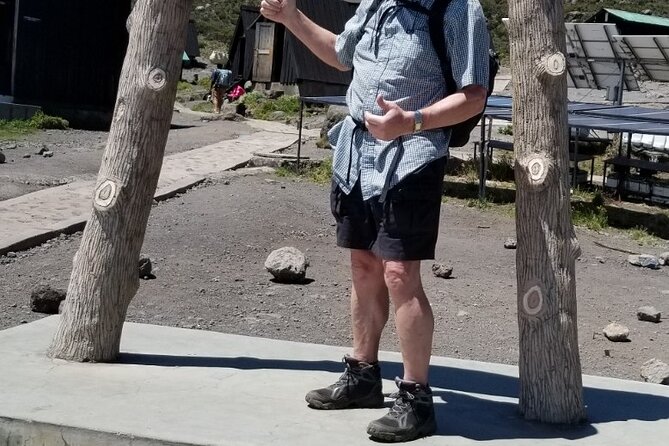
The route gives you a chance to see Kilimanjaro change as you climb. Lower sections include natural vegetation and birdlife, while higher sections bring a more exposed mountain setting. The program also highlights waterfalls, drainage features, sunrise, and night conditions as part of the experience.
These details matter because Kilimanjaro is not only about the final photograph at Uhuru Peak. The slow change in plant life and weather helps you understand how high you have climbed. You may begin the day in a relatively mild setting and finish in cold, thin air.
The route’s direct path makes navigation easier, but it can also make the days feel repetitive. Because you descend along the same trail, the return journey does not offer a new side of the mountain. I would see this as a fair trade for the huts and simpler route planning.
A few more trips of this kind worth comparing:
- 5 Days Camping Tarangire, Serengeti & Ngorongoro crater & Visiting Maasai
★ 5.0 · 58 reviews - 5-Day Majestic Tanzania Safari – High End All Inclusive
★ 5.0 · 44 reviews - 5 Day Mid range Tanzania Safari
★ 5.0 · 34 reviews - 5 days Tanzania Camping Safari
★ 5.0 · 29 reviews
The hard part: five days and altitude
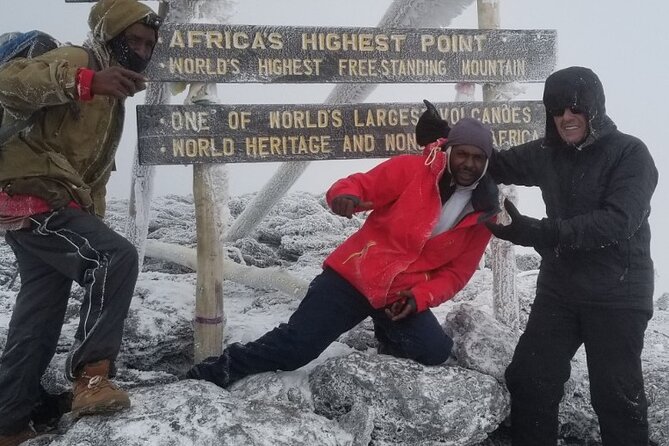
The biggest issue is acclimatization. The five-day version is short, and the tour information directly notes that altitude adjustment is fairly difficult within this time frame.
A gradual trail does not remove the effects of altitude. You can be fit, determined, and comfortable walking uphill, yet still struggle as the air gets thinner. The feedback includes an important example: one climber with limited experience was advised by Nalisis to choose the Lemosho Route over seven days, but selected the five-day Marangu plan because of time limits.
That advice is worth taking seriously. If the operator suggests a longer itinerary for you, ask why. The five-day version may suit someone with limited holiday time, but speed comes with a real cost in comfort and summit prospects.
The six-day option is the better choice if your schedule allows it. The supplied information says the company offers both five and six-day Marangu climbs, while the tour page gives a duration of approximately six days. Clarify what is included in your booking and how the extra day is used.
Do not choose the five-day plan simply because Marangu is called easy. Choose it because you understand the altitude challenge and accept the tighter schedule.
The summit push to Uhuru Peak
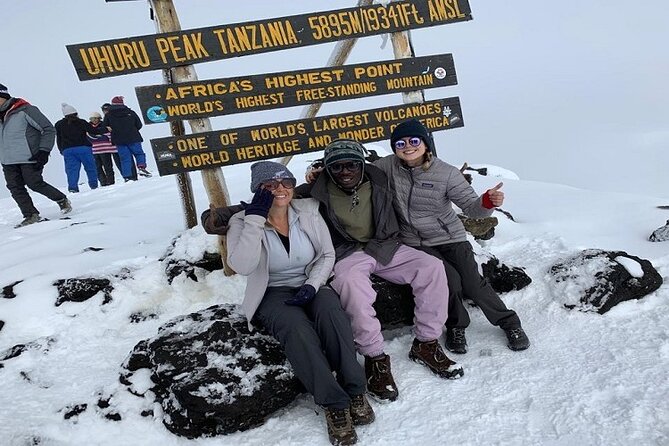
The high point of the climb is Uhuru Peak, Kilimanjaro’s summit. The itinerary describes this as a powerful moment, with snow, mountain views, celebration, and the feeling of standing on the Roof of Africa.
Summit day is likely to be the most demanding part of the experience. The information does not provide a detailed hour-by-hour schedule, so you should ask the company about the expected start time, time spent at the summit, and descent plan before departure.
Your guide’s role becomes especially important here. Several pieces of feedback praise the guides for encouragement and support, including help that enabled first-time climbers to reach Uhuru Peak. The company’s staff are also praised for professionalism, and Nalisis is repeatedly named for assistance before and during the trip.
I would value that human support more than polished extras. A guide who keeps the group moving sensibly, notices when someone is struggling, and offers calm encouragement can make a major difference on summit day.
The summit is not guaranteed simply because it is included in the itinerary. Weather, altitude, fitness, and individual health all affect the outcome. The company states that the activity requires good weather, and a weather cancellation may lead to another date or a full refund.
Food, water, and the working crew
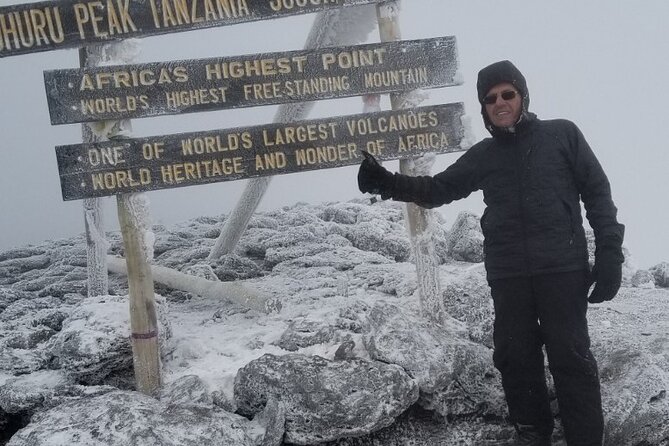
All meals are included: breakfast, lunch, and dinner. Drinking water is also included, along with the guide, cook, and porters.
Food is a major practical concern on a mountain climb. You burn energy throughout the day, and having a cook assigned to the group means you are not responsible for preparing meals after walking. The positive comments about the chefs suggest that the food service is one of the stronger parts of the operation.
The crew also carries important equipment and helps keep the climb organized. Porters are included in the package, and crew wages are covered. Tipping is not included, so you should budget separately for tips to the guide, cook, and porters.
That extra cost deserves attention. A low-looking tour price can become less affordable once tips, flights, visas, personal gear, and other expenses are added. Here, the core mountain costs are clearly listed, but you still need to plan for the items outside the package.
Group, shared, or private climbing
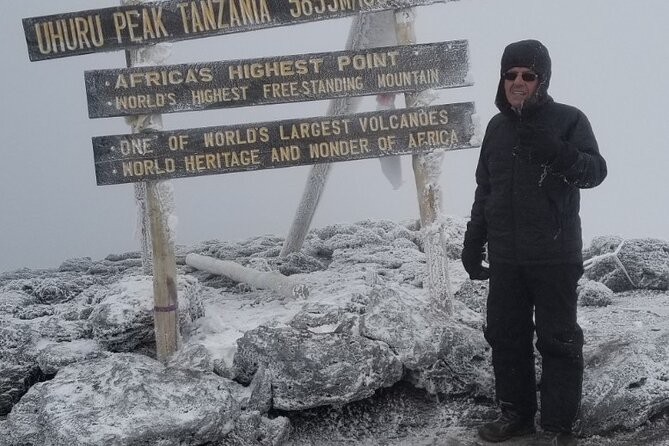
The climb can be arranged as a joining or sharing group, a private trip, or a larger group departure. A shared trip can lower the cost and give you company on the trail, but you have less control over walking pace and daily rhythm.
A private climb gives you more flexibility, though the supplied information does not state a separate private-tour price. Ask for the exact cost and group arrangements before booking.
The maximum capacity is listed as 100 people. That is a large upper limit, although it does not tell you how many people will be in your specific departure. Ask for the expected group size if this matters to you.
For many climbers, the best fit will be a small or moderate joining group with a clear pace policy. You get the social side of a shared climb without necessarily feeling lost in a very large party.
What the $1,560 price really covers
At $1,560 per person, this is not an all-inclusive holiday. Flights, visas, and crew tips are excluded. You will also need to consider personal mountain clothing and equipment, since the package only specifically confirms mattresses and pillows, not a full gear rental service.
Still, the included services provide meaningful value. The price covers park fees, tax, environmental fees, gate transfer, crew wages, guide, cook, porters, drinking water, and three daily meals.
That list covers the backbone of a Kilimanjaro climb. You are paying for access, staff, food, transport to the gate, and mountain support rather than just a guided walk.
I would compare the offer with other operators by checking the same details. Ask if park fees, crew wages, meals, water, transfers, and hut accommodation are all included elsewhere. Also confirm if the price changes for five versus six days, private versus shared arrangements, and airport pickup.
The strongest value appears when you want hut accommodation and a simple package from Moshi. The value is less clear if you need a longer acclimatization schedule but are quoted only for the short five-day version.
What the positive feedback tells you
The most consistent praise centers on organization and staff. Nalisis receives repeated recognition for support, airport pickup, advice, discounts for a group of six, and help with arrangements. The guides and chefs are also described as professional and supportive.
That pattern suggests a company that puts attention into service before the climb begins. Airport pickup is particularly helpful after a long flight, although you should confirm the exact airport arrangement because the meeting information names Kilimanjaro Airport while some feedback refers to wider Tanzania travel.
The feedback also includes successful group climbs, first-time summit attempts, and six-day departures. That range suggests the company works with different types of climbers, but it does not erase the need to assess your own ability and altitude tolerance.
One practical clue is the recommendation of longer routes when time permits. If the operator advises seven days on another route, listen carefully rather than treating it as an attempt to sell a more expensive trip. More days can be useful for acclimatization, not just sightseeing.
Who should choose this climb?
I would recommend this experience to you if you want:
- A direct and established route
- Hut accommodation rather than tent camping
- Meals, water, porters, and crew support included
- The option to join a group or arrange a private climb
- A clear path to Uhuru Peak from the southeast
- A company with positive feedback about staff and organization
I would be more cautious if you have little high-altitude experience and only five days available. The route is described as easy in slope, but the short schedule is still a serious weakness.
You should also think carefully if scenery and solitude matter most. Marangu uses the same path up and down and is the most crowded route. It is practical, not remote.
Booking and cancellation details
Confirmation is received at the time of booking, and most people can participate according to the supplied information. Pickup is offered, the listed start time is 8:00 am, and the activity returns to the meeting point.
Free cancellation applies if you cancel at least 24 hours before the local start time. Cancellation within 24 hours is not refunded, and changes inside that period are not accepted.
Because the experience depends on good weather, a cancellation caused by poor weather should result in an alternative date or a full refund. Keep your schedule flexible if possible, especially when arranging flights or onward travel.
Should you book the five-day Marangu Route?
Book this climb if you want Kilimanjaro with huts, organized meals, porters, and a direct route, and if your main priority is a practical path to Uhuru Peak. The staff support, airport pickup, cooking, and clear inclusion of park and crew costs make the $1,560 price reasonable for the services provided.
I would choose the six-day option over five if you can spare the time. If you have limited experience, ask about a longer route before committing. Marangu may be the easiest route in slope, but the mountain does not give away its summit.
The best decision comes down to your priorities. Choose Marangu for huts and simplicity. Choose a longer plan for better altitude adjustment. In either case, confirm the exact number of days, group size, pickup point, tipping expectations, and included accommodation before you travel.
FAQ
Where does the Kilimanjaro climb take place?
The climb takes place in Kilimanjaro National Park in Tanzania, with the tour based in Moshi.
How long does the experience last?
The climb is promoted as five or six days, while the tour details describe the overall duration as approximately six days. Confirm the exact schedule when booking.
What time does the activity start?
The stated start time is 8:00 am.
Is pickup available?
Yes. Pickup is offered, and the listed meeting point is Kilimanjaro Airport.
Where does the activity end?
The activity ends back at the meeting point.
What accommodation is used on the Marangu Route?
You sleep in dormitory-style mountain huts. Mattresses and pillows are supplied, but sleeping bags are required.
Are meals and drinking water included?
Yes. Breakfast, lunch, dinner, and drinking water are included.
What is included in the tour price?
The package includes a guide, cook, porters, park fees, tax, gate transfer, crew wages, environmental fees, drinking water, and all meals.
What is not included in the price?
Flights, visas, and tips for the climbing crew are not included.
Can I cancel for a full refund?
Yes, if you cancel at least 24 hours before the experience start time. Cancellations made within 24 hours are not refunded. If poor weather causes the company to cancel, you should be offered another date or a full refund.
Just added around Moshi
- Moshi: Lake Chala Tour: Hiking &/or Kayaking★ 4.5 · 3 reviews
- 3 Days Tanga Exclusive Beach Holiday★ 5.0 · 3 reviews
- Serengeti Wildebeest Migration.★ 5.0 · 3 reviews
- Chemka Hotpsrings E-Bike Day Trip★ 5.0 · 3 reviews
- Explore 1 day Ngorongoro Crater Budget Group Safari from Arusha★ 5.0 · 3 reviews
- Explore the 360° of Kilimanjaro★ 5.0 · 3 reviews
- Affordable Short Tanzania Safari (2 Days Camping Safari)★ 5.0 · 3 reviews
- Rongai Route 7 Days★ 5.0 · 3 reviews
Kilimanjaro Treks, compared.



8-Day Small-group Lemosho Kilimanjaro Summit Trekking
Read our review →


Climbing Kilimanjaro through 7 days Machame Route
Read our review →

Browse the lists this tour appears in