
Reviewed · KILIMANJARO TREKS
Discover The Best 7-day Kilimanjaro climbing via Machame route
Africa’s highest summit rewards steady feet. This seven-day Machame Route trek combines dramatic scenery, included mountain meals, camp lodging, and hotel transfers from Moshi. I like the simple pickup and drop-off plan, and I like that the route uses several shorter acclimatization days before the summit push. The main catch is that park fees, hotel stays, equipment, flights, and crew tips are not included in the $1,200 price.
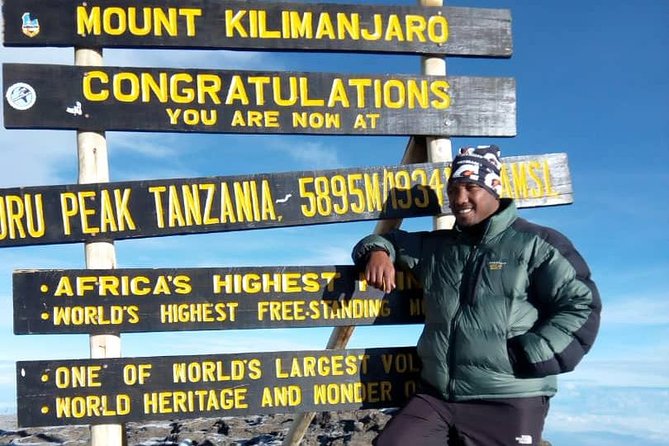
You should also take the word difficult seriously. This is not a casual week in the hills. The route reaches 19,341 feet at Uhuru Peak, and summit night begins around midnight. Still, a seven-day schedule gives you more time to adjust than the shorter Machame options, while the group format can make a hard climb feel less lonely.
In This Review
- Key things to know before you book
- Why the Machame Route suits strong hikers
- Day 1: Moshi to Machame Gate and Machame Camp
- Day 2: Machame Camp to Shira Camp
- Day 3: Shira Plateau, Lava Tower, and Barranco Camp
- Day 4: The Barranco Wall and Karanga Camp
- Day 5: Karanga Camp to Barafu Camp
- Day 6: Barafu Camp to Uhuru Peak and Mweka Camp
- Day 7: Mweka Camp to Moshi
- What the $1,200 price really covers
- Food, camps, crew, and practical comfort
- Who should choose this climb?
- Should you book the 7-day Machame climb?
- FAQ
- How long is the Kilimanjaro Machame Route experience?
- Where does the climb begin?
- Is hotel pickup included?
- Is the return transfer to Moshi included?
- Are meals included?
- Are park fees included in the $1,200 price?
- Are hotels in Moshi included?
- How difficult is the hike?
- Can I cancel for a full refund?
Key things to know before you book
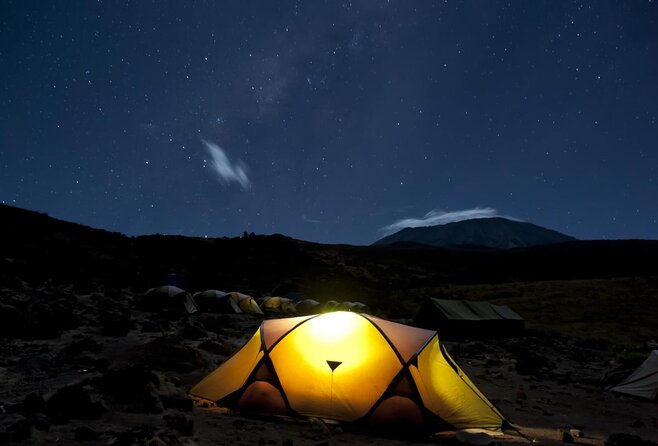
- The route climbs through five distinct mountain zones: You move from rainforest to moorland, alpine desert, and the high summit zone.
- Lava Tower helps with acclimatization: Day three takes you up to about 16,000 feet before descending to Barranco Camp.
- Summit day is a long two-part effort: Expect 7 to 8 hours up, followed by 4 to 6 hours down to Mweka Camp.
- The Barranco Wall is the route’s most memorable scramble: It adds hands-on work and a strong sense of progress.
- Meals and mountain lodging are included: Breakfast, lunch, and dinner are provided during the trek, but hotel nights in Moshi are extra.
- The $1,200 price needs careful checking: Park fees are separate, and those charges can make a major difference to your final cost.
Why the Machame Route suits strong hikers
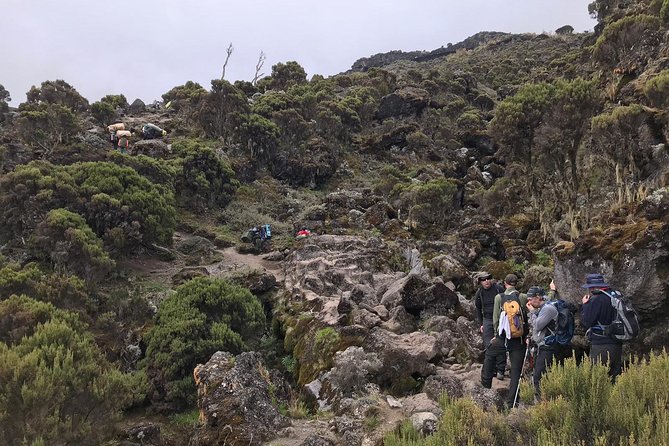
Machame is popular because it offers more than a direct uphill slog. The trail circles around the southern side of Kilimanjaro, giving you changing views of Kibo and Mawenzi, the mountain’s two main peaks. You also climb high and sleep lower on day three, a useful pattern for adjusting to altitude.
The route is described for advanced hikers, but the stated requirement is moderate physical fitness. That wording should not fool you. You need to handle several hours of walking each day, uneven ground, cold conditions, a steep summit night, and a long descent afterward.
The group size can reach 50 people. That may provide company and a shared sense of purpose, but it can also mean different walking speeds and less personal space at camp. Ask the operator how large your actual group will be and how guides manage people who need to walk at different speeds.
The included briefing is helpful, especially if this is your first high-altitude trek. The guide team matters greatly here. Past customers specifically praised guides and crew members including Solomon, Mathew, Henry Tuma, Godfrey Ngazia, Geoff Aba, Godson, and Godwin. Names may vary by departure, so treat these as examples of staff associated with previous trips, not a promise that one particular guide will lead yours.
More Kilimanjaro routes and climbs:
- Kilimanjaro climb by Lemosho Route (7-day)
★ 5.0 · 651 reviews - Kilimanjaro climb, Machame Route (7-day)
★ 5.0 · 262 reviews - Kilimanjaro Climbing Lemosho Route 8 Days.
★ 5.0 · 186 reviews
Day 1: Moshi to Machame Gate and Machame Camp
The trip begins with a drive of about 50 minutes from Moshi to Mount Kilimanjaro National Park Gate. From there, the trail enters the rainforest and follows a winding ridge toward Machame Camp.
You gain roughly 4,000 feet on this first day, walking about 11 kilometers in 5 to 7 hours. The forest is the gentlest setting you will see on the mountain, but the trail can be muddy and slippery, especially lower down.
I would pack gaiters and trekking poles where you can reach them quickly. Do not bury rain gear in your duffel. Even if the morning begins dry, the forest section can turn wet, and the first day is a poor time to discover that your footwear is not ready.
The admission ticket is not included in the activity price, and the park fee arrangement should be confirmed before departure. At camp, you settle into the first mountain night with the forest behind you and the real work ahead.
Day 2: Machame Camp to Shira Camp
Day two covers only about 5 kilometers, but it is still a demanding 4 to 6-hour climb. The path leaves the forest and enters moorland, with heather, open slopes, and a steeper rocky ridge.
This shorter day is valuable. You are gaining altitude without covering a huge distance, and the change in vegetation gives you one of the first clear reminders that Kilimanjaro is a series of different worlds stacked together.
The trail turns west toward a river gorge and Shira Camp. The itinerary gives an elevation range from 9,400 to 12,500 feet, so you may feel the thinner air by evening. Walk slowly, drink regularly, and do not race the group simply because the distance looks modest.
Breakfast, lunch, and dinner are included during the trek. That removes one daily chore, though you should still confirm what personal snacks and drinks are provided. A few familiar high-energy foods can be useful when appetite drops at altitude.
Day 3: Shira Plateau, Lava Tower, and Barranco Camp
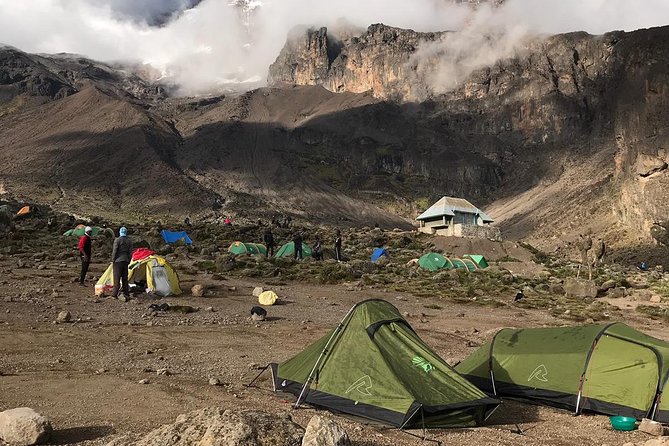
This is one of the route’s best-designed days. From Shira Camp, you head east and then southeast toward Lava Tower, also called the Shark’s Tooth, before descending to Barranco Camp.
The day covers about 10 kilometers in 5 to 6 hours. The listed elevation reaches roughly 13,000 feet at Barranco, while the route passes near Lava Tower at about 16,000 feet and offers an optional junction toward Arrow Glacier at around the same high level.
The important point is not simply the views. You climb high, then sleep lower. That gives your body a chance to respond to altitude before summit night. You may feel tired or headachy here, and that is exactly why a careful pace matters.
The descent to Barranco brings relief, but the camp is not the end of the effort. The next morning begins with the Barranco Wall, so use the evening to eat, organize your clothing, and prepare your daypack.
A few more trips of this kind worth comparing:
- Climbing Kilimanjaro through 7 days Machame Route
★ 5.0 · 151 reviews - 7 Days Kilimanjaro via Machame route affordable price
★ 5.0 · 110 reviews - Private Kilimanjaro Hike 7 Day Lemosho Route
★ 5.0 · 60 reviews - 7-Day Magical Tanzania Safari -Premium High End Package
★ 5.0 · 53 reviews
Day 4: The Barranco Wall and Karanga Camp
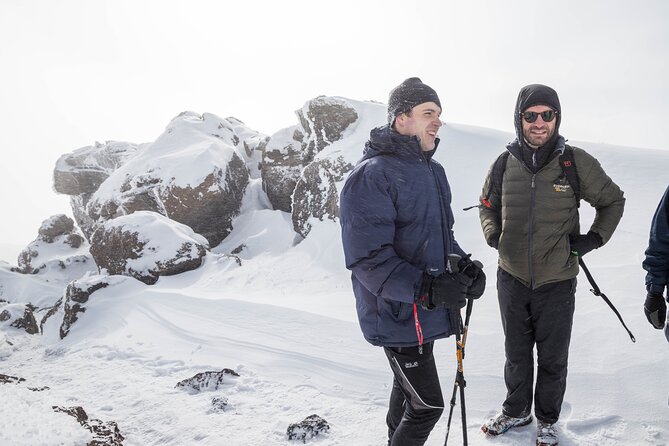
Day four is short on paper, only about 5 kilometers and 4 to 5 hours. It is not easy. You climb the eastern wall, pass below the Heim Glacier area, and tackle the steep exit known as the Great Barranco Wall.
This is the trek’s hands-on section. You will use your feet carefully and may place your hands on the rock for balance. The route is not described as technical climbing, but you should be comfortable with steep, uneven terrain and exposed-feeling sections.
After the wall, the trail drops into the Karanga Valley and climbs toward camp. The elevation changes only slightly, from about 13,000 to 13,100 feet, making this a useful acclimatization day rather than a distance challenge.
I like this stage because it breaks the climb into manageable pieces. You are no longer simply walking toward a faraway summit. You are solving one feature at a time, then resting before the high camp.
Day 5: Karanga Camp to Barafu Camp
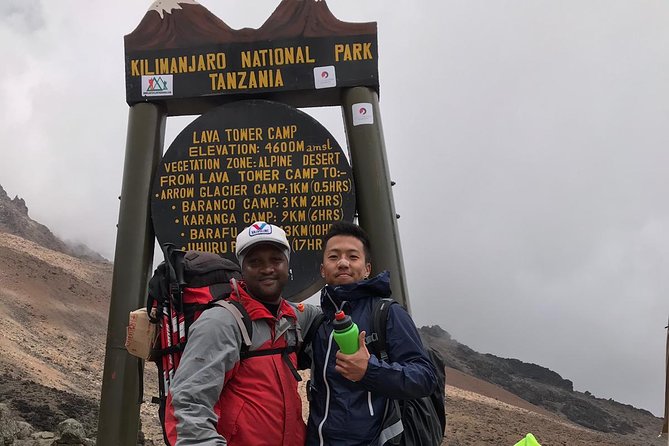
Day five covers around 4 kilometers in 3 to 4 hours. It is a short route, but the climb from Karanga to Barafu Camp takes you into the alpine desert at about 15,300 feet.
You pass the junction with the Mweka Trail and complete the southern circuit. From this area, Kibo and Mawenzi can appear from different angles, giving you a final broad look at the mountain before the summit attempt.
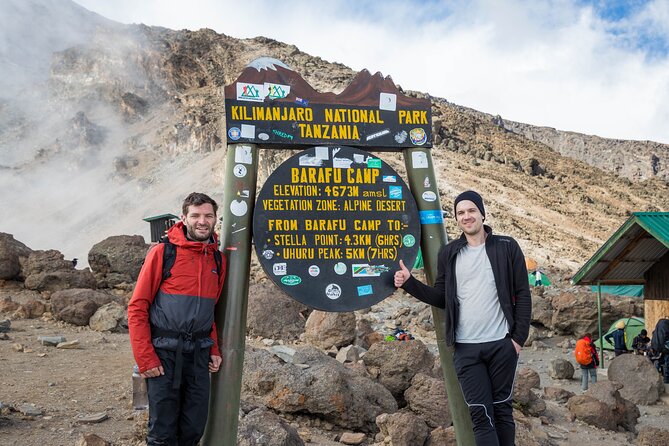
Barafu is the launch point for the hardest day. Dinner is included, but eating may be difficult if nerves or altitude have reduced your appetite. Try to rest instead of spending the afternoon wandering around camp. Pack your summit layers, headlamp, water, snacks, gloves, and any personal medication before lying down.
The schedule usually calls for a midnight to 2 a.m. start. That means your night at Barafu is short and broken. The earlier you organize your gear, the more time you give yourself to sleep.
Day 6: Barafu Camp to Uhuru Peak and Mweka Camp
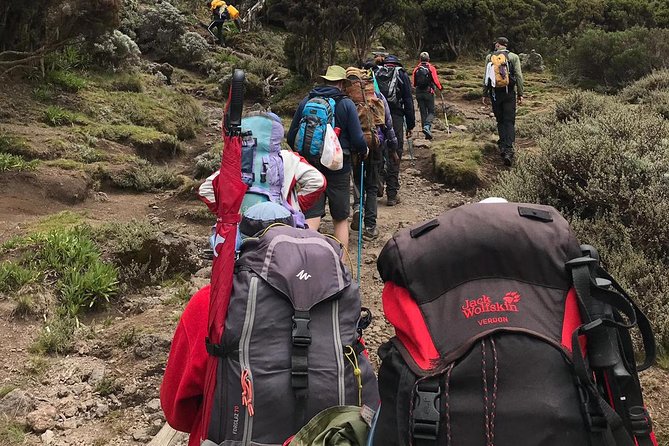
Summit day is the reason to respect this itinerary. The ascent covers about 5 kilometers and takes 7 to 8 hours. After reaching the summit, you descend about 12 kilometers to Mweka Camp, requiring another 4 to 6 hours.
You begin in darkness, heading northwest over steep scree toward Stella Point on the crater rim. This is the hardest physical and mental section. The ground can feel slow and unstable, and the cold is often a bigger problem than the distance.
At Stella Point, around 18,600 feet, you may see sunrise if the weather cooperates. From there, the route takes about another hour to Uhuru Peak, the highest point on Kilimanjaro. The summit views can be spectacular, but conditions are never guaranteed, so keep your expectations flexible.
The descent is not a victory lap. Your legs have already worked hard, and loose ground can make the way down surprisingly tiring. Mweka Camp provides a lower night after the summit, but reaching it is still a serious day in the mountains.
A guide’s judgment is important here. One account describes guide Solomon advising a climber carefully near base camp, while another describes a previous attempt ending just short of Gilman’s Point because of extreme cold. Those details offer a useful lesson: turning around can be the right decision, and reaching the summit should never come at the cost of ignoring altitude or weather symptoms.
Day 7: Mweka Camp to Moshi
The final hiking day descends from about 10,000 feet to 5,400 feet through rainforest. The distance is listed at roughly 9 to 10 kilometers, taking about 4 to 5 hours, though another timing estimate places the walking portion closer to 3 hours.
The lower trail can be wet and muddy. Gaiters and trekking poles are useful again, while shorts and a T-shirt may be comfortable once you lose altitude. Keep a rain shell and one warmer layer handy rather than packing them away immediately.
At Mweka Gate, you receive your summit certificate. The vehicle transfer then continues from Mweka Village to your Moshi hotel, marking the end of the climb.
The included drop-off applies to the hotel you booked in Moshi. Airport transfers are not included, and hotel accommodation itself is also separate. Plan at least one practical recovery night in Moshi, even though this package does not cover it.
What the $1,200 price really covers
At $1,200 per person, the price looks attractive for a seven-day guided Kilimanjaro trek. You receive hotel pickup in Moshi, transport back after the hike, a briefing, meals during the trek, camp lodging, and a trekking certificate.
The important missing piece is the park fee. All Mount Kilimanjaro park fees are excluded and may be paid directly to the park or through the operator. Ask for the exact current amount before paying a deposit, because this is not a minor add-on.
You also pay separately for:
- Hotel accommodation in Moshi
- International or domestic flights
- Airport pickup and drop-off
- Personal hiking equipment
- Tips for the mountain crew
The package has good value if the extra charges are clearly explained. It has poor value if you compare only the headline figure with more expensive operators that already include permits, transfers, or hotel nights.
The strongest praise directed at Africa Natural Tours concerns organization, guides, porters, cooks, and food. Several accounts describe the team as attentive and well organized, with one family specifically praising the meals and another noting the morale-boosting songs and jokes from the crew. That human side matters on a climb where the daily routine can otherwise feel repetitive and punishing.
Food, camps, crew, and practical comfort
Breakfast, lunch, and dinner are included during the trekking days. The cook and mountain crew have received especially warm praise, but the supplied details do not provide sample menus or information about dietary requests. If you have allergies or dietary limits, tell the operator before arrival and ask for a clear answer.
Camp lodging is included, but the exact tent setup is not described. Ask what sleeping equipment is supplied and what you must bring yourself. Personal hiking gear is excluded, so you should not assume that boots, sleeping bags, poles, gaiters, or warm summit clothing are part of the deal.
Tips for the crew are also separate. Set aside money for this before the climb so you are not making a rushed decision at the gate. You may also want small personal snacks, though the included meal plan should cover the main meals.
Confirmation is provided at booking, and the activity accepts mobile tickets. Hotel pickup is offered in Moshi, while airport transfers are not. The activity is listed as operating daily, with a booking window running through June 18, 2026.
Free cancellation is available up to 24 hours before the local start time. Changes or cancellations made inside that window are not accepted for a refund.
Who should choose this climb?
I would recommend this route to you if you want a scenic Kilimanjaro path, can manage long uphill days, and prefer a guided group rather than arranging every detail alone. The seven-day timing is a better choice than a rushed schedule for many people because it includes a dedicated acclimatization day around Lava Tower and Karanga.
It may not suit you if you dislike cold nights, muddy trails, steep scree, or early starts. The phrase advanced hikers is a fair warning, particularly for summit night.
Families and first-time high-altitude hikers have completed this route with the operator, but your fitness level still matters. A successful climb depends on pacing, rest, careful clothing choices, and listening to the guide team.
Should you book the 7-day Machame climb?
Book it if you want a challenging, scenic Kilimanjaro experience with meals, camp lodging, Moshi transfers, and a route that gives you several chances to adjust to altitude. The positive accounts consistently point to strong organization, capable guides, helpful porters, good food, and a warm crew spirit.
Before booking, get the full cost in writing. Confirm park fees, hotel arrangements, equipment, group size, tipping expectations, and the exact airport plan. If those extras fit your budget, this is a solid-value option for a serious hiker who wants the Machame Route without handling the mountain logistics alone.
FAQ
How long is the Kilimanjaro Machame Route experience?
The trek lasts approximately seven days, beginning and ending with transport connected to Moshi.
Where does the climb begin?
The climb begins at Machame Gate in Mount Kilimanjaro National Park, reached by a drive of about 50 minutes from Moshi.
Is hotel pickup included?
Yes. Pickup is included from the hotel you booked in Moshi town.
Is the return transfer to Moshi included?
Yes. Drop-off is included from Mweka Gate or Mweka Village to the hotel you booked in Moshi town.
Are meals included?
Breakfast, lunch, and dinner are included during the trekking portion of the experience.
Are park fees included in the $1,200 price?
No. Mount Kilimanjaro park fees are excluded and may be paid directly to the park or through the tour operator.
Are hotels in Moshi included?
No. Hotel accommodation costs are not included.
How difficult is the hike?
The experience is described as suitable for advanced hikers, while the stated fitness requirement is moderate. Summit day is the hardest section, with 7 to 8 hours of ascent and 4 to 6 hours of descent.
Can I cancel for a full refund?
Yes, if you cancel at least 24 hours before the experience start time. Cancellations or changes made less than 24 hours in advance are not accepted for a refund.
Just added around Moshi
- Moshi: Lake Chala Tour: Hiking &/or Kayaking★ 4.5 · 3 reviews
- 3 Days Tanga Exclusive Beach Holiday★ 5.0 · 3 reviews
- Serengeti Wildebeest Migration.★ 5.0 · 3 reviews
- Chemka Hotpsrings E-Bike Day Trip★ 5.0 · 3 reviews
- Explore 1 day Ngorongoro Crater Budget Group Safari from Arusha★ 5.0 · 3 reviews
- Explore the 360° of Kilimanjaro★ 5.0 · 3 reviews
- Affordable Short Tanzania Safari (2 Days Camping Safari)★ 5.0 · 3 reviews
- Rongai Route 7 Days★ 5.0 · 3 reviews
Kilimanjaro Treks, compared.



8-Day Small-group Lemosho Kilimanjaro Summit Trekking
Read our review →


Climbing Kilimanjaro through 7 days Machame Route
Read our review →

Browse the lists this tour appears in