
Reviewed · KILIMANJARO TREKS
Kilimanjaro Climb – 7 Days Machame Route
The mountain saves its hardest test for last. This seven-day Kilimanjaro climb follows the scenic Machame Route from rainforest to glacier country, with changing views, gradual acclimatization, and a private support team from Incredible Africa Adventures. I like the route’s steady progression and its variety of terrain, from thick forest to the misty Barranco Wall and the high, stark slopes near the summit. I also like that the price includes park fees, camping, meals, airport transfers, guides, cooks, porters, and rescue fees. The main catch is simple: summit day is extremely demanding, with an overnight start, a long ascent, and a major descent before you reach camp.
This is not a casual mountain walk. You need a moderate level of fitness and a willingness to sleep in tents for six nights. Still, the seven-day schedule gives you more time than shorter climbs, and the gradual incline makes this a sensible choice for many first-time high-altitude hikers. The strongest part of the experience appears to be the crew, with guides such as Nelson, Innocent, Raffael, John, Frank, and Joseph praised for encouragement, English skills, and good humor. Just remember that the $2,500 price does not include flights or tips.
In This Review
- Five things to know before choosing this climb
- Why the 7-day Machame Route works well
- Day 1: Machame Gate to Machame Camp
- Day 2: Machame Camp to Shira Camp
- Day 3: Shira Camp, Lava Tower, and Barranco Camp
- Day 4: The Barranco Wall and Karanga Camp
- Day 5: Karanga Camp to Barafu Camp
- Day 6: Barafu Camp to Uhuru Peak and Mweka Camp
- Day 7: Mweka Camp to Moshi
- What $2,500 includes, and what it does not
- Food, tents, and the human side of the climb
- Who should book this Machame climb?
- Should you book it?
- FAQ
- How long is the Kilimanjaro Machame Route experience?
- Where does the climb begin?
- How high is the summit?
- Are meals included during the climb?
- Are tents provided?
- Is airport transportation included?
- What is not included in the price?
Five things to know before choosing this climb
- Machame offers five distinct mountain zones: You move from rainforest to moorland, semi-desert, alpine desert, and snowy summit terrain.
- Day six is the real test: The summit ascent gains 1,233 meters, followed by an 11.5-kilometer descent to Mweka Camp.
- Your support team matters: Professional guides, cooks, and porters carry out the daily camp work while you focus on walking and altitude.
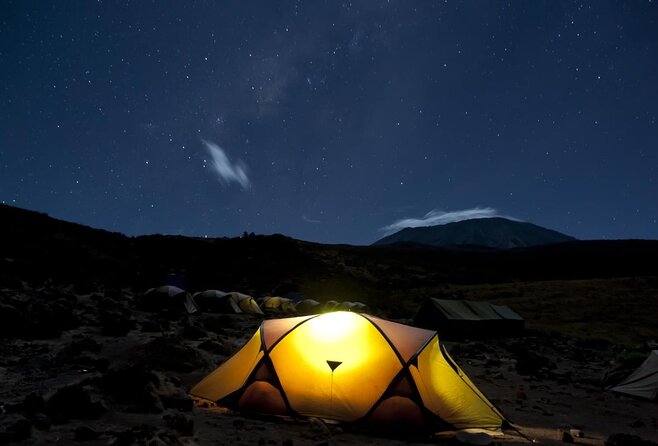
- Camping is part of the deal: Four-season mountain tents and three meals a day are included, but you should be comfortable with basic mountain living.
- The price covers the expensive essentials: Park, camping, rescue, transport, and VAT fees are included, which makes the package easier to compare with cheaper-looking offers.
Why the 7-day Machame Route works well
Machame is often called the Whisky Route, a playful contrast with the easier-sounding Marangu Route. The name hints at its more adventurous character. You sleep in tents, walk on rougher paths, and experience a wider range of mountain scenery.
The route begins at 1,811 meters and eventually reaches Uhuru Peak at 5,895 meters. That rise in altitude is the central challenge. The trail does not simply point uphill every day. Some days gain very little height, and one day climbs high before dropping to sleep at a lower camp. That pattern gives your body more time to adjust.
I particularly like the way the itinerary breaks up the altitude gain. Day two reaches 3,839 meters, but day three climbs to 3,986 meters at Lava Tower before dropping to Barranco Camp at 3,986 meters. Day four gains only 48 meters. That may look modest on paper, but the slower pace can be valuable when every breath feels harder.
You should still treat the schedule as physically serious. The company describes the climb as suitable for people with moderate fitness, but moderate does not mean effortless. You will walk for several hours each day, sleep at high altitude, and face a long summit night with little rest.
More Kilimanjaro routes and climbs:
- Kilimanjaro climb by Lemosho Route (7-day)
★ 5.0 · 651 reviews - Kilimanjaro climb, Machame Route (7-day)
★ 5.0 · 262 reviews - Kilimanjaro Climbing Lemosho Route 8 Days.
★ 5.0 · 186 reviews
Day 1: Machame Gate to Machame Camp
The first day covers about 10.75 kilometers and takes five to six hours. You begin at Machame Gate, at 1,811 meters, and finish at Machame Camp, at 3,021 meters. That is a gain of 1,210 meters, a substantial opening day.
The trail passes through rainforest, which gives this first section a strong sense of arrival. The air, plants, and shade feel very different from the dry upper mountain. You get your first taste of the route’s changing zones, and the forest makes the climb feel more like a journey than a simple uphill march.
The distance is manageable for a fit walker, but the altitude gain makes this more than a warm-up. I would keep your first day slow and steady. There is no prize for reaching camp early if you spend the evening exhausted.
At camp, the included tents and meals become important. You are not staying in a lodge, and the mountain routine is basic. Yet the cooking team is a major part of the value here. Several accounts describe strong food, hot drinks, and attentive service, including support for a gluten-free diet and coffee or hot water brought to the tent.
Day 2: Machame Camp to Shira Camp
Day two is shorter, at about 5.3 kilometers and four to five hours. The trail climbs from 3,021 meters to 3,839 meters, gaining 818 meters, as the forest gives way to moorland.
This is where the mountain begins to feel more open and exposed. The trees thin out, and views become more important. The Shira Plateau is known for broad high-country scenery and long evening light, although cloud and weather will decide how much you see.
The shorter distance does not mean an easy day. You gain a fair amount of height, and the thinner air becomes noticeable. Walk at the pace your guide sets, drink regularly, and avoid turning the morning into a race.
The guides are central here. The strongest praise for Incredible Africa Adventures focuses on experienced English-speaking guides who check on comfort, keep spirits up, and use humor when the climb becomes tiring. Names connected with the company include Nelson, Innocent, Raffael, John, Frank, and Joseph. Your own guide team may differ, but the level of support is something worth asking about before you book.
Day 3: Shira Camp, Lava Tower, and Barranco Camp
Day three is one of the smartest parts of the itinerary. You walk about 10.75 kilometers in five to six hours, moving from Shira Camp at 3,839 meters to Lava Tower at 4,630 meters, then down to Barranco Camp at 3,986 meters.
The listed daily elevation ends at 3,986 meters, with only 147 meters of net gain. The important detail is the high point at Lava Tower. You climb higher during the day, then sleep lower at Barranco. That high-walk, low-sleep pattern is useful for acclimatization and gives this route a more thoughtful rhythm than a straight climb.
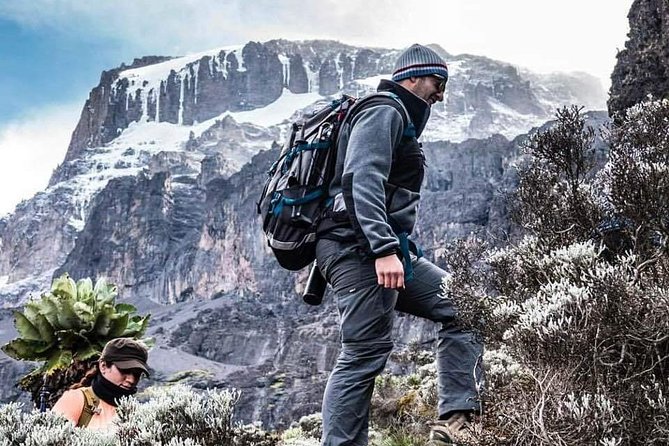
The scenery shifts toward semi-desert. Vegetation becomes sparse, volcanic ground dominates, and the mountain feels more severe. Lava Tower is a key turning point, both physically and visually. You are now well above the forest and closer to the upper slopes of Kibo.
Barranco Camp is memorable because of its position beneath the Barranco Wall. The wall can look intimidating from camp, but the next morning’s route takes you up it. This is also a day when altitude symptoms may become more apparent. Your guide’s judgment and your honesty about how you feel matter more than keeping to a timetable.
A few more trips of this kind worth comparing:
- Climbing Kilimanjaro through 7 days Machame Route
★ 5.0 · 151 reviews - 7 Days Kilimanjaro via Machame route affordable price
★ 5.0 · 110 reviews - Private Kilimanjaro Hike 7 Day Lemosho Route
★ 5.0 · 60 reviews - 7-Day Magical Tanzania Safari -Premium High End Package
★ 5.0 · 53 reviews
Day 4: The Barranco Wall and Karanga Camp
Day four covers just 5.2 kilometers and takes three to four hours. You climb from 3,986 meters to 4,034 meters, a net gain of only 48 meters.
The famous feature is the Barranco Wall. It is not a technical rock-climbing pitch, but it is a steep, scrambly mountain section that demands careful footwork. You should expect a slower pace and occasional close contact with the rock. The reward is a dramatic view back toward the valleys and across the high slopes.
The short day is useful. After the longer walk over Lava Tower, you get time to recover without giving up altitude. Karanga Camp sits in alpine desert terrain, where the surroundings feel dry, bare, and remote.
This is the sort of day that explains why seven days can be preferable to a rushed itinerary. The distance looks small, but you are already high. A shorter walking day gives you time to eat, rest, organize clothing, and prepare for the push to Barafu.
Day 5: Karanga Camp to Barafu Camp
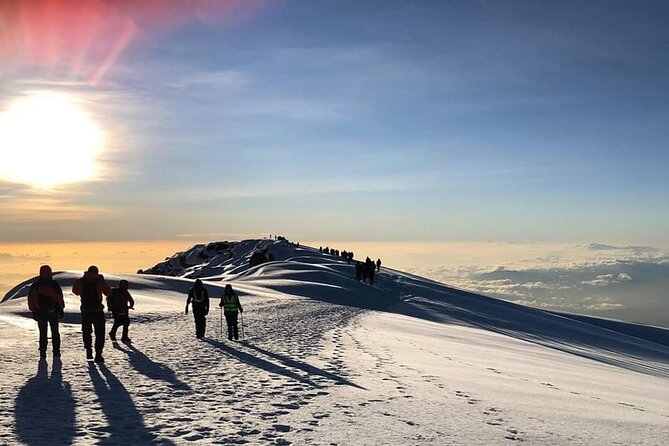
Day five is only 3.3 kilometers and takes three to four hours, but it gains 628 meters. You leave Karanga Camp at 4,034 meters and reach Barafu Camp at 4,662 meters.
Barafu means ice in Swahili, and the camp marks the beginning of the summit phase. The terrain remains alpine desert, with little shelter and a stark, high-mountain feel. There is not much walking distance, but the height makes the day tiring.
This is when practical organization pays off. You should have summit clothing, water, snacks, and headgear ready before resting. The summit attempt begins from Barafu, so there is no relaxed morning afterward.
The climb’s support system is especially valuable here. Guides handle route decisions and monitor the group, while cooks and porters help keep camp functioning. You still need to carry your personal day gear, but the included crew reduces the load of camp chores. That is one reason the package costs more than an independent-looking trek.
Day 6: Barafu Camp to Uhuru Peak and Mweka Camp
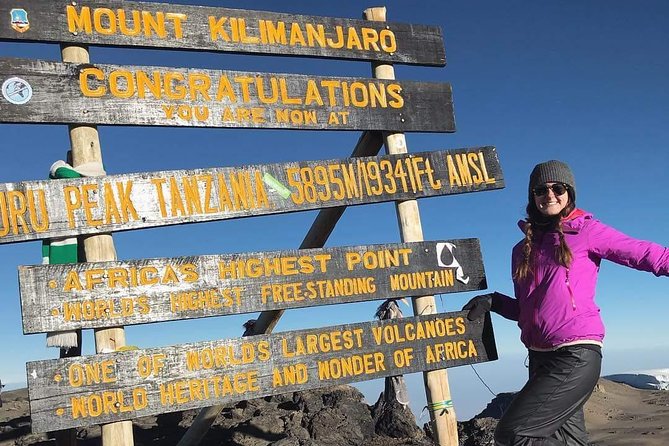
Summit day is the heart of the climb and the part you should study most carefully. The ascent from Barafu Camp at 4,662 meters to Uhuru Peak at 5,895 meters covers 4.86 kilometers and gains 1,233 meters. It takes five to seven hours according to the schedule, then you descend 11.5 kilometers to Mweka Camp, a further five to six hours.
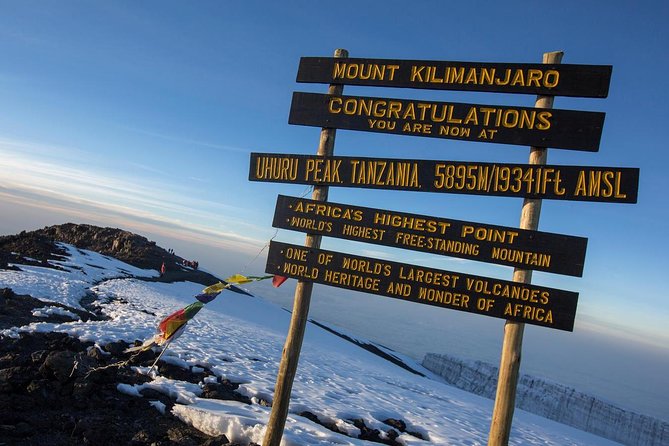
The total effort is much greater than the distances suggest. You climb through glaciers and snow-capped summit terrain, reach Africa’s highest point, and then lose 2,789 meters before sleeping at 3,106 meters. This is a very long day, and altitude can make every step feel slow.
The summit views are the payoff, but reaching the top is not guaranteed. Weather, fitness, altitude response, and pacing all play a role. The company says the Machame Route has a higher summit success rate because it can be done over a longer period and has a more manageable incline. That is a useful advantage, but no operator can remove the risks of high altitude.
The descent to Mweka Camp may feel endless after the summit. Still, getting down to 3,106 meters is welcome. You have left the worst of the altitude behind, even if your legs are tired.
Day 7: Mweka Camp to Moshi
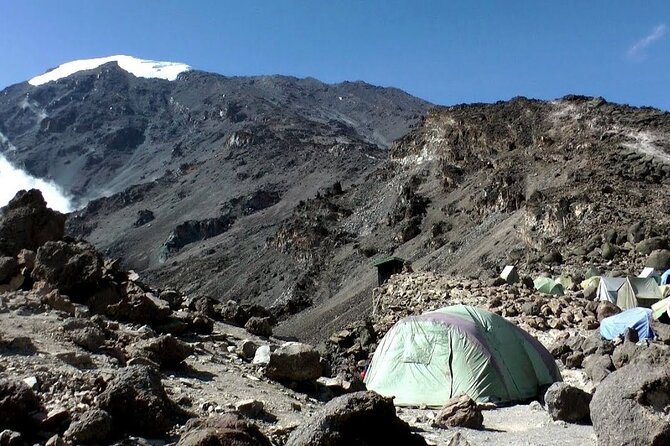
The final walking day covers 9.1 kilometers and takes three to four hours. You descend from Mweka Camp at 3,106 meters to Mweka Gate at 1,633 meters, losing 1,473 meters.
The rainforest returns, providing a fitting close to the route. After the bare upper mountain, the trees and lower altitude feel welcoming. The path can still be tiring, especially after summit day, so keep your pace controlled.
At Mweka Gate, a driver meets you and takes you back to your hotel in Moshi. The stated drive takes about 30 minutes. Airport pickup and drop-off at Kilimanjaro International Airport are also included, which helps simplify the start and finish of a demanding trip.
What $2,500 includes, and what it does not
The listed price is $2,500 per person. That is not a small amount, but it includes many costs that can make mountain packages difficult to compare.
Included are:
- Pickup and drop-off at Kilimanjaro International Airport
- Transport to and from the mountain gate
- Park fees
- Camping fees
- Rescue fees
- 18 percent VAT on tour fees and services
- Four-season mountain tents
- Professional mountain guides, cooks, and porters
- Three meals each day on the mountain
The rescue fee and park charges matter because they are major parts of a Kilimanjaro operation. Including them reduces the chance of a low headline price growing after booking.
Flights are not included. You also pay for personal items, laundry, and tips to the mountain crew. Tips deserve particular attention because porters, cooks, and guides do much of the work that makes the climb possible. Ask the company for its current tipping guidance before departure so you can budget properly.
The price also covers a private experience, meaning only your group participates. That can be useful if you want your own pace and a familiar group dynamic. It may cost more than joining a large departure, but it gives you more control over the experience.
Food, tents, and the human side of the climb
Every night is spent in a tent, and all meals are prepared on the mountain. This is not luxury lodging, but four-season tents offer the right kind of protection for a high-altitude camping trip.
Food is more important than it sounds. You need regular meals to keep walking, and hot drinks can make a cold morning easier. The company has handled special dietary needs, including gluten-free food, and some service details praised by past climbers include coffee and hot water delivered to the tent.
The crew gets the warmest praise. Guides have been described as experienced, good at English, encouraging, and fun to spend time with. Singing and friendly conversation have also been part of the camp atmosphere. That human touch matters when the summit feels far away.
I would ask before booking how many porters are assigned to your group, what personal baggage limit applies, and how the company handles tipping. Those details are not provided here, but they affect both comfort and ethics.
Who should book this Machame climb?
This route suits you if you want Kilimanjaro’s most varied scenery and are ready for genuine physical effort. It is a good match for people who prefer a seven-day schedule over a faster ascent, and for private groups that want a dedicated crew.
It may also suit families with older teenagers or adult relatives if everyone has the required fitness and understands the altitude challenge. One account describes a father and adult child completing the climb with guide support, but the tour data does not provide an age policy, so confirm that directly.
You should think twice if you dislike tents, long walking days, or uncertainty about reaching the summit. The itinerary is carefully paced, but it remains a demanding climb, not a sightseeing excursion with a little hiking added.
Booking is flexible up to 24 hours before the start time for a full refund. Cancellations inside 24 hours are not refundable, and poor weather or too few bookings can lead to a different date, a different experience, or a full refund.
Should you book it?
I would choose this climb if your priority is a scenic route, a private group, and strong support from a local mountain team. The seven-day schedule, high-walk and low-sleep day, included rescue and park fees, and full camp staff make the $2,500 price easier to justify.
I would not book it without preparing properly for summit day. Train for long uphill walks, practice carrying your personal daypack, and plan for cold, wet, and basic conditions. If you accept that the mountain may turn you around, this Machame itinerary offers a well-supported way to give Kilimanjaro a serious try.
FAQ
How long is the Kilimanjaro Machame Route experience?
The climb lasts approximately seven days. The schedule includes six nights on the mountain, followed by transport back to Moshi on the final day.
Where does the climb begin?
The first walking day begins at Machame Gate, at an elevation of 1,811 meters.
How high is the summit?
The route reaches Uhuru Peak at 5,895 meters, or 19,341 feet.
Are meals included during the climb?
Yes. Three meals per day are included while you are on the mountain.
Are tents provided?
Yes. The package includes four-season mountain tents, and all nights on the route are spent camping.
Is airport transportation included?
Yes. Pickup and drop-off at Kilimanjaro International Airport are included, along with transport to and from the mountain gate.
What is not included in the price?
Flights, personal items, laundry services, and tips for the mountain crew are not included.
Just added around Moshi
- Moshi: Lake Chala Tour: Hiking &/or Kayaking★ 4.5 · 3 reviews
- 3 Days Tanga Exclusive Beach Holiday★ 5.0 · 3 reviews
- Serengeti Wildebeest Migration.★ 5.0 · 3 reviews
- Chemka Hotpsrings E-Bike Day Trip★ 5.0 · 3 reviews
- Explore 1 day Ngorongoro Crater Budget Group Safari from Arusha★ 5.0 · 3 reviews
- Explore the 360° of Kilimanjaro★ 5.0 · 3 reviews
- Affordable Short Tanzania Safari (2 Days Camping Safari)★ 5.0 · 3 reviews
- Rongai Route 7 Days★ 5.0 · 3 reviews
Kilimanjaro Treks, compared.



8-Day Small-group Lemosho Kilimanjaro Summit Trekking
Read our review →


Climbing Kilimanjaro through 7 days Machame Route
Read our review →

Browse the lists this tour appears in