
Reviewed · KILIMANJARO TREKS
Kilimanjaro climb via Marangu Route 6Days
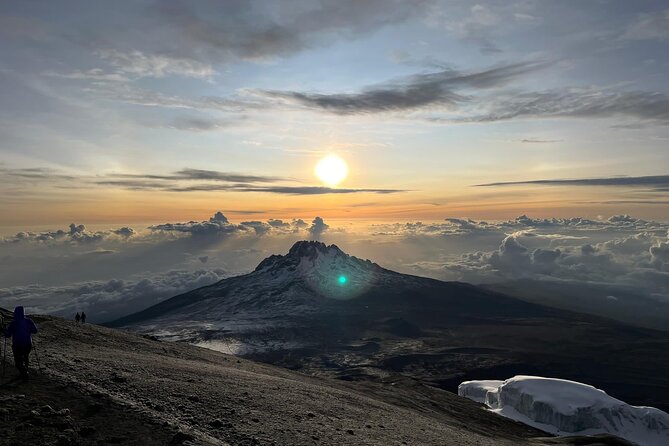
The huts make Kilimanjaro feel more approachable. This six-day Marangu Route climb from Moshi appeals to me because it uses hut accommodation instead of tents and follows a gradual, direct trail. I also like the included three meals per day, plus two nights in Moshi, which keeps the basic arrangements together.
The main caution is that the route is called the easiest on Kilimanjaro, but summit day is still a serious physical test. You need moderate fitness, personal equipment, and enough time to handle altitude. The $2,180 price is not a small one, especially since visas, equipment, and personal items are extra.
The six-day plan is a good fit if you want a classic Kilimanjaro climb with simpler sleeping arrangements, clear communication from Faiza, and a route that does not require camping.
In This Review
- Key points about the six-day Marangu climb
- Why Marangu is different from other Kilimanjaro routes
- Mandara Huts and the first stage uphill
- Horombo Hut and the value of the six-day schedule
- Kibo Huts and the hardest part of the climb
- Meals, Moshi nights, and what the $2,180 covers
- Booking with Faiza and Ungitours
- What the six days may feel like
- Who should choose this route
- Practical questions to ask before departure
- Should you book the six-day Marangu Route?
- FAQ
- Where does the Kilimanjaro climb begin?
- How long is the Marangu Route experience?
- What accommodation is used on the mountain?
- How many bunk beds are at Mandara Huts?
- How many bunk beds are at Kibo Huts?
- How many bunk beds are at Horombo Hut?
- Are meals included?
- Are nights in Moshi included?
- Is equipment included in the price?
- What fitness level do I need?
- How much does the experience cost?
- Can I cancel for a full refund?
Key points about the six-day Marangu climb
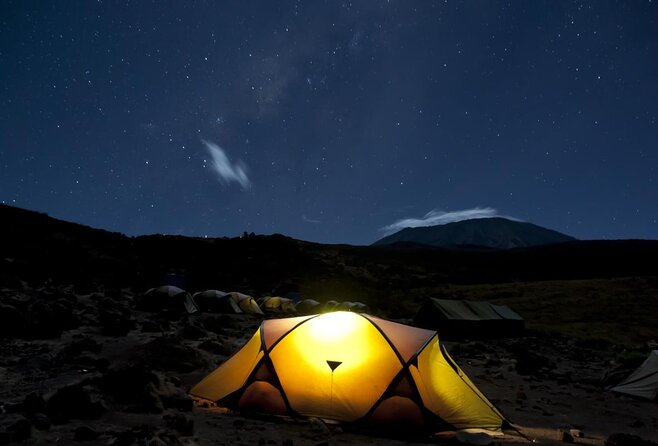
- Three mountain huts: Sleep in bunk beds at Mandara, Horombo, and Kibo Huts instead of carrying a tent and sleeping outdoors.
- A gradual, direct route: Marangu is known for a steady trail compared with other Kilimanjaro routes, though the final ascent remains demanding.
- Six days at about $2,180 per person: The package includes meals and two nights in Moshi, while visas, gear, and personal items cost extra.
- Faiza handles planning clearly: Past bookings praised her quick replies, detailed Zoom briefing, and easy booking process.
- Equipment rental may be possible: One climbing party rented gear through the operator, but you should confirm the exact equipment and price before paying.
- Flexible cancellation: You can receive a full refund if you cancel at least 24 hours before the local start time.
Why Marangu is different from other Kilimanjaro routes
Marangu has a reputation as Kilimanjaro’s most accessible route. The trail follows a direct line up the mountain and is known for a gradual slope, making it attractive if you want a less complicated route to the summit.
The big difference is where you sleep. Marangu is the only Kilimanjaro route in this experience description with hut accommodation. That means bunk beds at Mandara Huts, Horombo Hut, and Kibo Huts rather than tent camping.
For me, that is the route’s clearest advantage. You still need to prepare for cold, altitude, long walking days, and a difficult summit push, but you are not also managing a tent-based camp. The huts provide a more straightforward setup, particularly if you have never taken part in a multi-day mountain climb.
Do not confuse an easier route with an easy climb. The gradual trail may reduce some of the strain on the way up, but Kilimanjaro is high enough to make altitude a real concern. A moderate fitness level is required, and you should treat the climb as a serious undertaking.
More Kilimanjaro routes and climbs:
- Kilimanjaro climb by Lemosho Route (7-day)
★ 5.0 · 651 reviews - Kilimanjaro climb, Machame Route (7-day)
★ 5.0 · 262 reviews - Kilimanjaro Climbing Lemosho Route 8 Days.
★ 5.0 · 186 reviews
Mandara Huts and the first stage uphill
Mandara Huts are one of the three main hut stops on the route. They have 60 bunk beds, giving you a shared sleeping arrangement rather than a private room.
The first section of the climb is important because it sets your rhythm. I would advise you to walk slowly from the start, drink as instructed by your climbing team, and avoid trying to prove your fitness on the first day. A direct route can still feel tiring when you are carrying personal items and adjusting to several days of uphill walking.
Mandara also gives you your first taste of the practical side of a hut climb. You will share sleeping space, so personal organization matters. Keep your essential items easy to reach and do not expect the privacy or quiet of a hotel in Moshi.
The benefit is convenience. The drawback is that bunk accommodation is communal, and the information provided does not promise private rooms, upgraded bedding, or a specific hut layout. If those details matter to you, ask Ungitours before booking.
Horombo Hut and the value of the six-day schedule
Horombo Hut has 120 bunk beds, making it the largest sleeping facility named in the plan. That extra capacity may mean a busier hut environment, but it also gives this route an established overnight structure.
The six-day option was specifically recommended to one group that wanted to sleep in huts. That is useful advice for anyone comparing shorter and longer plans. A six-day schedule gives you more time on the mountain than a rushed itinerary, although the supplied details do not list exact walking hours, rest days, or daily elevation gains.
I would ask for the day-by-day schedule before you commit. Confirm where each night is spent, how the ascent is paced, what happens if someone needs to stop, and how the summit night is organized. Those questions are not signs of worry. They are sensible preparation for a high-altitude climb.
Horombo is also where you should pay attention to how your body feels. The booking information says participants should have moderate physical fitness, but it does not provide a medical screening process or a detailed altitude policy. Ask the operator how the team responds to altitude problems and what support is available if you cannot continue.
Kibo Huts and the hardest part of the climb
Kibo Huts have 60 bunk beds and are the final named hut on the route. The hut’s role is practical: it places you near the upper part of Kilimanjaro before the summit attempt.
This is where the friendly phrase easiest path needs some context. The Marangu Route may have a gradual and direct profile, but the climb to the summit is still the most serious section of the experience. You will face cold, fatigue, altitude, and a long final effort. The provided information does not give a summit time, summit duration, or exact trail distances, so do not rely on a generic online schedule without checking with Ungitours.
I would use Kibo as a reminder to pack with discipline. Your personal items are not included, and equipment is listed as an extra. Ask exactly what you need to bring, what can be rented, and what the company supplies. One previous group rented gear through the operator, which suggests that rental help may be available, but you should not assume every item is included.
The huts remove the need for a tent, but they do not remove the need for proper mountain clothing and personal preparation.
A few more trips of this kind worth comparing:
- Kilimanjaro climb, Lemosho Route (6-day)
★ 5.0 · 129 reviews - Kilimanjaro climb, Marangu route (6-day)
★ 5.0 · 72 reviews - 6 Days 5 Night Safari
★ 5.0 · 57 reviews - 6 Days Tanzania Classic Safari
★ 5.0 · 52 reviews
Meals, Moshi nights, and what the $2,180 covers
The package price is listed as $2,180 per person. It includes breakfast and three meals per day for six days, along with two nights of accommodation in Moshi.
That food arrangement adds real value. Meals are one less major task during a demanding climb, and the two Moshi nights give you a base before or after the mountain portion. Still, the wording should be clarified before booking because the details do not identify the Moshi hotel, meal menus, dietary arrangements, or which nights the two Moshi stays cover.
The price does not include a Tanzania visa, equipment, or other personal items. Those extras can change the final cost quickly. I would request a written list of included and excluded services, especially for:
- Airport or hotel transfers
- National park and climbing fees
- Guide and support staff
- Hut charges
- Equipment rental
- Drinking water and snacks
- Tips
- Additional hotel nights
- Visa costs
Pickup is offered, but the listing does not specify the pickup location or whether airport pickup is included. Confirm this in advance, particularly if you arrive outside Moshi or need a transfer from a particular hotel.
At this price, I see the best value in the combination of hut sleeping, meals, Moshi accommodation, and planning support. I would not book it based on price alone. The final value depends on what the operator includes in the mountain fees, transfers, equipment support, and staffing.
Booking with Faiza and Ungitours
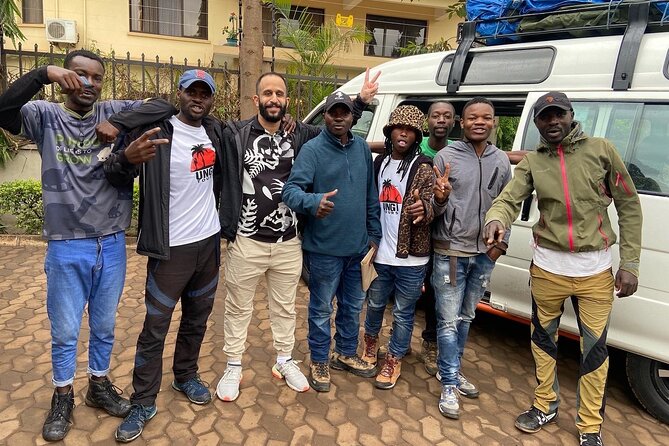
Communication is one of the strongest parts of this experience. Faiza was praised for quick replies, a detailed explanation of the six-day Marangu Route, and a booking process that included a Zoom conversation.
That kind of contact matters before a climb. You can use the call to discuss your fitness, past hiking experience, gear, food needs, arrival time, and expectations for the huts. I would also ask for the precise daily itinerary rather than relying only on the broad route description.
The people who booked this climb described the support team as professional, attentive, and kind. Those are encouraging signs, especially on a climb where patience and steady encouragement matter. One group of seven successfully reached the summit and credited the team’s support and service.
The available rating information shows three five-star reviews, but the sample is small. I would treat that as positive evidence, not a guarantee. Ask direct questions, get costs in writing, and confirm who will be your guide and how the mountain team is organized.
What the six days may feel like
The supplied itinerary names Mount Kilimanjaro and the Marangu Route rather than providing a full schedule for each day. I can still explain the basic structure you should expect from the named stops.
You begin from Moshi, with pickup offered and a listed start time of 12:00 am. That midnight start time needs clarification because it may refer to the booking system rather than the actual hotel pickup. Ask for the real meeting time, location, and transfer plan.
The route then moves through the hut system, with Mandara Huts, Horombo Hut, and Kibo Huts serving as the named overnight points. The gradual trail gives you a clear route upward, but the climb remains a multi-day physical effort. Pace yourself and follow the guide’s instructions rather than chasing the fastest group.
The upper section near Kibo is tied to the summit push. The information does not state the summit success rate, expected summit time, or descent plan. Those are key questions to ask before departure.
The six days also include meals and two nights in Moshi. That combination can make the trip easier to manage because you do not need to arrange every hotel and meal separately. It also gives you a little structure around the mountain days, which is helpful when planning flights and time in Tanzania.
Who should choose this route
I would recommend this experience to you if you want:
- Hut sleeping instead of tent camping
- A direct route with a gradual slope
- A six-day mountain itinerary
- Meals arranged during the climb
- Two nights in Moshi
- Help with planning and possible gear rental
- A booking process with direct contact through Faiza
It may not suit you if you want a private room, a quiet mountain camp, a highly detailed published itinerary, or a package with all equipment included. It is also not suitable for someone who is unprepared for strenuous walking and high altitude.
The route’s nickname as the tourist route should not put you off, but it should set realistic expectations. The hut system makes the logistics simpler. It does not turn Kilimanjaro into a casual walk.
Practical questions to ask before departure
I would send Ungitours a short list of questions before paying the balance. Ask for the exact daily route, hut assignments, pickup time, Moshi hotel details, and the full equipment list.
You should also clarify what three meals per day includes, how dietary requests are handled, and whether snacks or drinks are supplied. Ask what happens if weather, illness, or altitude prevents a summit attempt.
Since equipment is excluded, request rental prices in advance. Ask if rental equipment is collected in Moshi, what condition it is in, and what personal items you must bring yourself. The earlier you settle this, the less stress you will face before the climb.
The cancellation terms are simple: cancel at least 24 hours before the local start time for a full refund. Cancellations within 24 hours are not refunded, and changes within that window are not accepted.
Should you book the six-day Marangu Route?
I would book this experience if hut accommodation is your main priority and you value direct planning help. The route gives you a gradual, established path, named hut stops, included meals, and two nights in Moshi. Faiza’s quick communication and detailed Zoom briefing are useful advantages when you are preparing from abroad.
I would pause before booking if the final cost matters tightly or if you need private accommodation and a fully itemized schedule. The $2,180 price excludes visas, equipment, and personal items, so ask for the complete cost before making your decision.
For a first Kilimanjaro attempt, this is a sensible route to consider, provided you respect the altitude and prepare properly. The huts simplify the trip. Your fitness, equipment, pacing, and support plan still decide how comfortable the climb feels.
FAQ
Where does the Kilimanjaro climb begin?
The experience is based in Moshi, Tanzania, and pickup is offered. The exact pickup location is not specified, so you should confirm it with Ungitours.
How long is the Marangu Route experience?
The climb lasts approximately six days.
What accommodation is used on the mountain?
The route uses hut accommodation at Mandara Huts, Horombo Hut, and Kibo Huts. The huts provide bunk beds.
How many bunk beds are at Mandara Huts?
Mandara Huts have 60 bunk beds.
How many bunk beds are at Kibo Huts?
Kibo Huts have 60 bunk beds.
How many bunk beds are at Horombo Hut?
Horombo Hut has 120 bunk beds.
Are meals included?
Yes. The package includes breakfast and three meals per day for six days.
Are nights in Moshi included?
Yes. The package includes two nights of accommodation in Moshi.
Is equipment included in the price?
No. Equipment and other personal items are not included. Tanzania visa costs are also excluded.
What fitness level do I need?
You should have a moderate physical fitness level.
How much does the experience cost?
The listed price is $2,180 per person.
Can I cancel for a full refund?
Yes, if you cancel at least 24 hours before the experience start time. Cancellations made less than 24 hours before the start time are not refunded.
Just added around Moshi
- Moshi: Lake Chala Tour: Hiking &/or Kayaking★ 4.5 · 3 reviews
- 3 Days Tanga Exclusive Beach Holiday★ 5.0 · 3 reviews
- Serengeti Wildebeest Migration.★ 5.0 · 3 reviews
- Chemka Hotpsrings E-Bike Day Trip★ 5.0 · 3 reviews
- Explore 1 day Ngorongoro Crater Budget Group Safari from Arusha★ 5.0 · 3 reviews
- Explore the 360° of Kilimanjaro★ 5.0 · 3 reviews
- Affordable Short Tanzania Safari (2 Days Camping Safari)★ 5.0 · 3 reviews
- Rongai Route 7 Days★ 5.0 · 3 reviews
Kilimanjaro Treks, compared.



8-Day Small-group Lemosho Kilimanjaro Summit Trekking
Read our review →


Climbing Kilimanjaro through 7 days Machame Route
Read our review →

Browse the lists this tour appears in