
Reviewed · KILIMANJARO TREKS
Kilimanjaro Experience 7 Days Lemosho route
Kilimanjaro rewards patience. This seven-day Lemosho Route trek gives you a gradual climb through rainforest, moorland, volcanic desert, and Arctic terrain, with Kilinge Adventures handling the camps, meals, porters, guides, and mountain logistics. I especially like the route’s slow approach across the Shira Plateau and the careful acclimatization day near Lava Tower and Barranco. I also like the strong attention given to food and camp service, with cooks preparing large meals and porters setting up tents before you arrive.
The main consideration is the price structure. The listed cost is $1,000 per person, but Kilimanjaro National Park fees are excluded, along with tips and personal expenses. You should confirm the full final cost before paying. The itinerary is also physically demanding, especially the long fifth day and the midnight summit push.
In This Review
- Key points to know before you book
- Why the Lemosho Route is a good seven-day choice
- Day 1: Londorossi Gate and the first rainforest camp
- Day 2: Leaving the forest for Shira Ridge
- Day 3: A full day across the Shira Plateau
- Day 4: Lava Tower, the Shark’s Tooth, and Barranco
- Day 5: Barranco Wall and the move to Barafu
- Day 6: Midnight to Stella Point and the summit attempt
- Day 7: Mweka Gate and the return to Moshi
- Food, tents, water, and the human side of the climb
- Is $1,000 good value?
- Who should choose this trek?
- Should you book the 7-day Lemosho Route?
- FAQ
- Where does the Kilimanjaro trek begin?
- How long does the experience last?
- What time does the tour start?
- Are meals included?
- Is drinking water provided?
- Are park fees included in the price?
- Can I cancel for a full refund?
Key points to know before you book
- Seven days from Lemosho to Mweka: You climb through five distinct habitat zones before descending through rainforest.
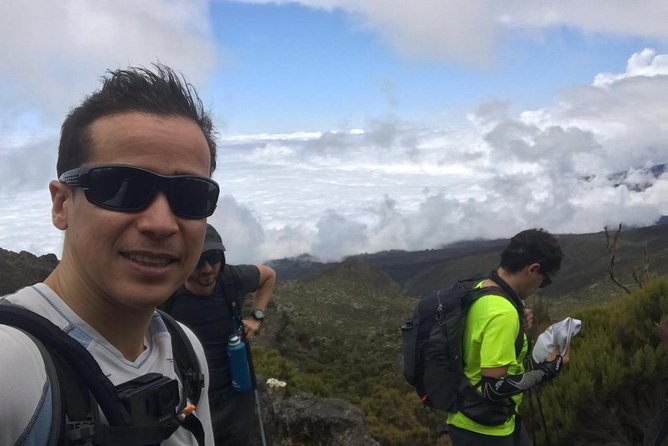
- A useful acclimatization pattern: The Shira Plateau and Lava Tower to Barranco day help you gain height, then sleep lower.
- Strong camp support: Tents, meals, drinking water, guides, porters, and cooks are included.
- The summit day is the real test: Expect a midnight start, a long ascent to Stella Point, a push toward Uhuru Peak, and a major descent.
- A local team with a friendly reputation: Guides and staff named in past bookings include Thomas, Alex, Victor, Norka, Gewa, Mussa, James, and cooks such as Joseph and Shedrack.
- Check the fine print: Park fees, tips, personal items, and optional tours are extra, and the advertised group limit is as high as 100 people.
Why the Lemosho Route is a good seven-day choice
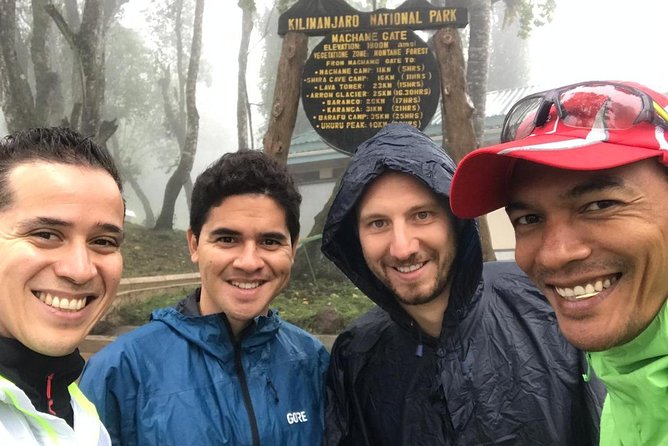
Lemosho begins on the western side of Kilimanjaro, far from the busy streets of Moshi. Your first hours are spent driving to Londorossi Gate, completing park formalities, then continuing for about another hour to the trailhead. That approach takes time, but it places you in a quieter forest setting and gives the climb a real sense of leaving ordinary life behind.
The route also offers a sensible change in scenery. You start among rainforest plants, move into tall grasses and heather, cross open volcanic ground, then reach the stark upper mountain. This variety makes the trip feel like several walks joined together, rather than seven days of the same trail.
I like the fact that the route does not rush straight toward the summit. The third day explores the Shira Plateau, and the fourth day takes you high to Lava Tower before dropping to Barranco. That gain-and-loss pattern can help your body adjust to altitude. It does not remove the risk of altitude sickness, but it is more thoughtful than a simple nonstop climb upward.
The advertised group limit is 100 people. That is a very large possible maximum, even though the actual group on your departure may be much smaller. Ask how many people are booked for your date, how many guides will be assigned, and how the porter team is organized.
More Kilimanjaro routes and climbs:
- Kilimanjaro climb by Lemosho Route (7-day)
★ 5.0 · 651 reviews - Kilimanjaro climb, Machame Route (7-day)
★ 5.0 · 262 reviews - Kilimanjaro Climbing Lemosho Route 8 Days.
★ 5.0 · 186 reviews
Day 1: Londorossi Gate and the first rainforest camp
The first day begins with an 8:30 a.m. start and a drive of roughly four hours from Moshi to Londorossi Gate. This is not a short transfer, so bring water, snacks, and something to occupy you during the ride. Pickup is offered, which is useful if you are staying in Moshi and do not want to arrange your own transport.
After entry formalities, you drive for about an hour more to the Lemosho trailhead. Lunch is served near the start, then you walk about 7 kilometers through undisturbed rainforest. The elevation rises from about 2,377 meters to 2,650 meters, with three to four hours of hiking.
This is an excellent opening day because it is not overly long. The forest gives you shade and a cool setting while your legs settle into the pace. You may find the path damp or muddy, so keep rain protection easy to reach rather than buried in your bag.
Your first camp is reached in the forest zone. The crew handles the tent setup, and meals are included. That support matters from the first night, since your main job is to eat, rest, and prepare for the next stage.
Day 2: Leaving the forest for Shira Ridge
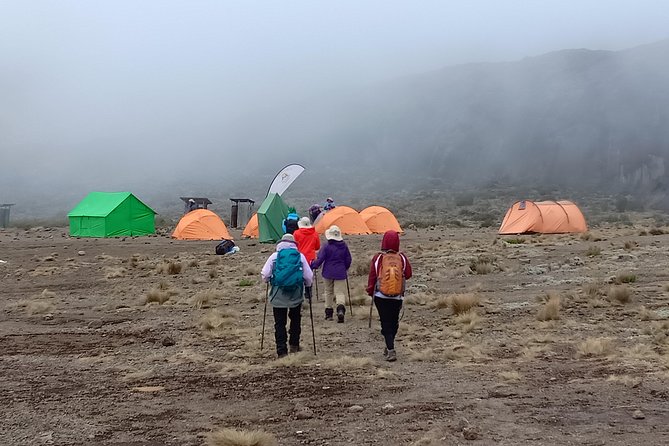
Day two covers about 8 kilometers and takes five to six hours. You climb from roughly 2,650 meters to 3,610 meters, leaving the forest for moorland filled with tall grasses, heather, volcanic rock, and pale lichen.
The change is dramatic. Instead of a closed canopy, you get broader views and a more open trail. The route crosses streams and rolls upward toward Shira Ridge before dropping gently to Shira 1 Camp. From here, Kibo, Kilimanjaro’s highest cone, begins to dominate the view across the plateau.
The distance is modest, but the altitude gain is not something to dismiss. Walk slowly. The guides set the pace, and you should resist the urge to hurry simply because the trail looks manageable.
The open ground can feel exposed in sun or wind. Wear layers, use sunscreen, and keep a waterproof jacket available. At camp, the included meals and hot drinks become more than a comfort. Regular eating and drinking are central to keeping your energy steady at altitude.
Day 3: A full day across the Shira Plateau
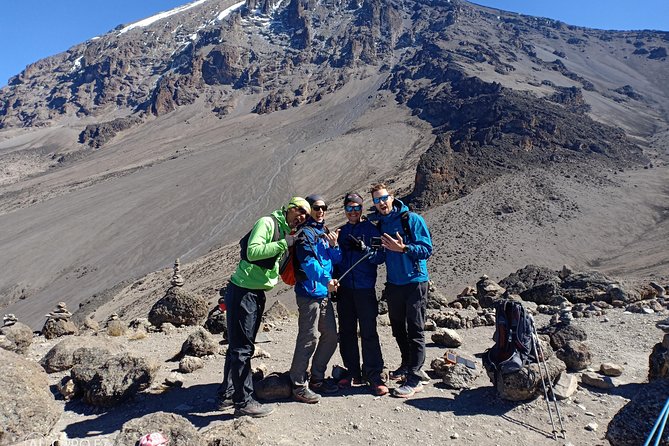
The third day is one of the smartest parts of this itinerary. You cover about 14 kilometers in five to seven hours, moving from 3,610 meters to about 4,200 meters. The route crosses the Shira Plateau toward Shira 2 Camp, then continues toward Moir Hut at the base of Lent Hills.
Shira is one of the world’s highest plateaus, and its open volcanic setting gives you wide views toward Kibo. The walk is described as gentle, but the distance and elevation make it a serious day. You will want to maintain an easy rhythm and take the offered breaks.
Moir Hut is used less often than the main camps, and the surrounding Lent Hills provide options for short walks. This makes the day useful for acclimatization rather than simply moving from one sleeping place to another.
I would pay attention to how your body feels here. Headache, unusual tiredness, nausea, or poor coordination should be reported to your guide. A strong itinerary helps, but altitude still affects each person differently.
A few more trips of this kind worth comparing:
- Climbing Kilimanjaro through 7 days Machame Route
★ 5.0 · 151 reviews - 7 Days Kilimanjaro via Machame route affordable price
★ 5.0 · 110 reviews - Private Kilimanjaro Hike 7 Day Lemosho Route
★ 5.0 · 60 reviews - 7-Day Magical Tanzania Safari -Premium High End Package
★ 5.0 · 53 reviews
Day 4: Lava Tower, the Shark’s Tooth, and Barranco
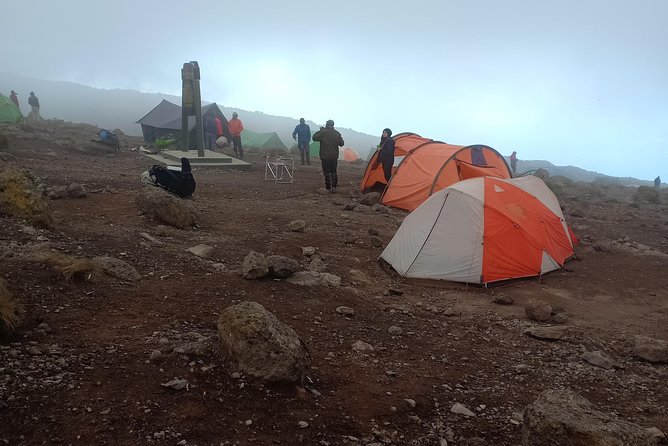
Day four covers about 7 kilometers in four to six hours. You begin around 4,200 meters, climb toward Lava Tower at about 4,600 meters, then descend to Barranco Camp at roughly 3,940 meters.
This is the classic climb high, sleep lower day. You gain useful height during the walk, stop for lunch and acclimatization near Lava Tower, then lose elevation before sleeping. That may feel counterintuitive, especially when you are eager to get closer to the summit, but the body benefits from the pattern.
The Lava Tower is also called the Shark’s Tooth, a name that suits its stark volcanic shape. The habitat here changes to semi-desert, with less plant cover and a harsher feel than the moorland below.
The descent to Barranco is not wasted effort. It prepares you for the upper mountain while giving you a lower sleeping elevation than the day’s high point. Barranco Camp also places you near the famous Barranco Wall, which you tackle the next morning.
Day 5: Barranco Wall and the move to Barafu
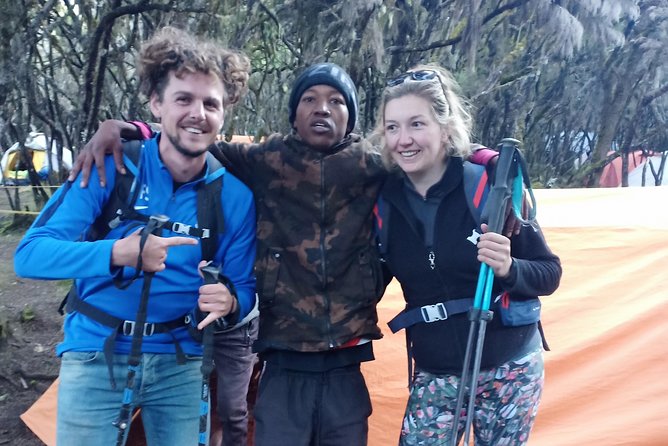
Day five is long. You walk about 9 kilometers in eight to ten hours, passing from Barranco Camp through Karanga Valley and onward to Barafu Hut. The elevation changes only slightly overall, from about 3,940 meters to 3,995 meters, but the trail includes steep sections and repeated climbs.
The morning begins with the Barranco Wall. It may look intimidating from camp, but the route is a walk rather than a technical rock climb. You will use your hands in places, and a slow, careful pace is the sensible approach. The guides are there to help with footing and timing.
After the wall, the trail reaches Karanga Valley. From there, you continue to the junction with the Mweka Trail before climbing to Barafu Hut. At Barafu, you have completed the southern circuit, with views toward both Mawenzi and Kibo.
The hardest part of this day is often the schedule. You need to reach camp, eat, organize summit clothing, and rest before the midnight start. Pack your summit items before dinner. Keep your warmest layers, headlamp, gloves, water, and snacks within reach.
Day 6: Midnight to Stella Point and the summit attempt
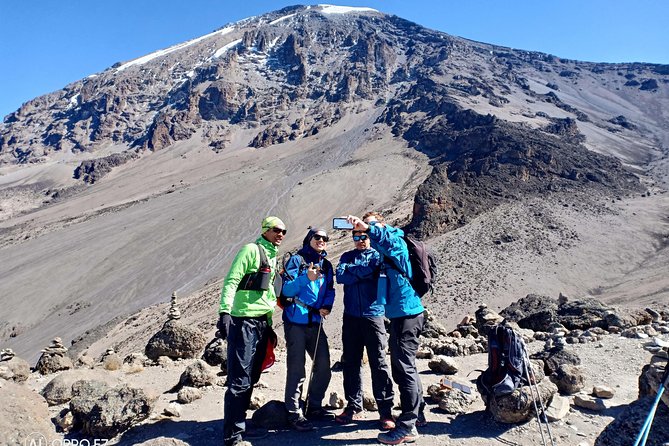
Summit day begins around 11 p.m. with tea and snacks, followed by a start close to midnight. You climb about 5 kilometers toward the crater rim, usually taking seven to eight hours for the ascent. The route begins over steep rock, then follows zigzagging ground toward Stella Point at about 5,657 meters.
The schedule puts you at Stella Point around sunrise, when the view across the upper mountain can be exceptional. From there, you join climbers arriving from other routes and continue toward Uhuru Peak, Kilimanjaro’s highest point.
The itinerary gives an ascent elevation of about 3,995 meters to 4,673 meters, though its Stella Point figure is higher. The supplied details are not perfectly consistent, so I would ask the operator to confirm the planned summit elevation and exact route notes before departure.
After the summit attempt, you descend about 12 kilometers to the area around 3,100 meters, with four to six hours listed for the descent. This is an enormous day. You may feel fine on the way up and suddenly exhausted on the way down, so do not treat the descent as an easy afterthought.
The crew’s support is especially valuable here. Guides can monitor your progress, porters can help move camp equipment, and the cook provides food when you most need it. The inclusion of rescue fees is reassuring, but it does not replace travel insurance or careful preparation.
Day 7: Mweka Gate and the return to Moshi
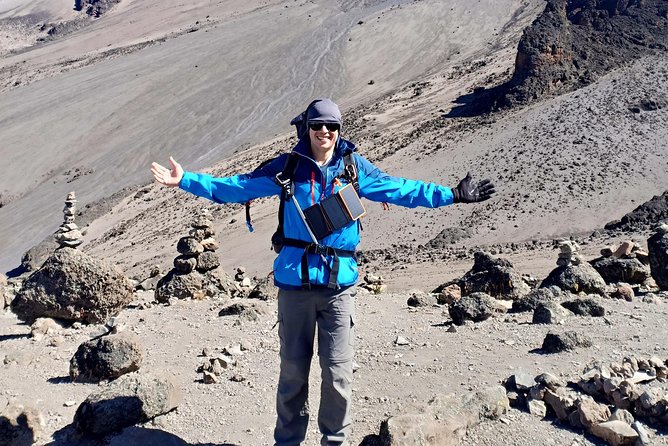
The final day descends 10 kilometers from about 3,100 meters to 1,640 meters. Hiking takes three to four hours through rainforest, with the trail ending at Mweka Park Gate.
The lower section may be wet and muddy. Gaiters and trekking poles are useful, and the practical clothing advice is simple: shorts and a T-shirt may be enough for the warm lower section, but keep rain gear and warmer clothing handy until the weather is clear.
At the gate, you receive summit certificates before a vehicle takes you back to your hotel in Moshi. The promised hot shower and Kilimanjaro beer sound well earned after the summit day.
Do not book an important flight immediately after this return unless you have allowed plenty of spare time. The itinerary gets you back to Moshi on day seven, but mountain schedules can change due to weather, health, or trail conditions.
Food, tents, water, and the human side of the climb
Kilinge Adventures includes tents, purified drinking water, all mountain meals, guides, porters, and cook salaries. The food receives especially strong praise, with Joseph and Shedrack named for their cooking on different trips. Expect large portions designed to keep you fueled, though the exact menu is not specified.
Several past bookings also praise the tents being ready at camp and meals being served without the climber having to manage the setup. That is the right division of labor on Kilimanjaro. You need your energy for walking, not for assembling a campsite after a ten-hour day.
The team names associated with the company include Thomas, Alex, Victor, Norka, Gewa, Mussa, and James. Thomas is also described as the owner and as someone who keeps his promises. I would still ask for the name of your lead guide before departure, since that person will shape your day-to-day experience.
The company states that porters receive fair and ethical treatment. This is an important point to discuss before booking. Ask about porter loads, sleeping arrangements, wages, and tipping guidance. Tips are not included, so request a clear recommendation for your group size and team.
Is $1,000 good value?
At $1,000 per person, the trip looks competitively priced for a seven-day supported Kilimanjaro climb. The package includes accommodation on the mountain, six breakfasts, six dinners, seven lunches, drinking water, rescue fees, a tent, guides, porters, cooks, and mountain transport back to Moshi.
The major catch is the exclusion of Kilimanjaro National Park fees. Those fees can make a substantial difference to the final amount, so the advertised price should not be treated as the complete trip cost. Add tips, personal expenses, optional tours, and any equipment you need to buy or rent.
I see the best value here in the support system. You are not paying only for a trail and a campsite. You are paying for food preparation, camp work, route guidance, transport, and assistance during a demanding high-altitude climb.
Who should choose this trek?
This trip suits you if you have moderate physical fitness, can manage long walking days, and want a route with several habitat changes. It is also a good fit if you prefer tented mountain camping and want meals, water, and camp work organized for you.
It may not suit you if you want short daily walks, private guiding, a small group guaranteed in writing, or a comfortable lodge-based holiday. The fifth day is long, and summit day requires walking through the night.
The route is also a good match for people who value a gradual approach. The Shira Plateau exploration and the Lava Tower to Barranco descent give you more time to adjust than a rushed itinerary. Still, seven days is not a guarantee of reaching the top. Weather, altitude, and personal health can change the result.
Free cancellation is available up to 24 hours before the local start time. If poor weather forces the operator to cancel, you are offered another date or a full refund. Changes made within 24 hours are not accepted.
Should you book the 7-day Lemosho Route?
I would consider booking this trek if you want a well-supported climb with strong camp service, good food, and a route that gives acclimatization some real attention. The most appealing details are the quiet forest start, the broad Shira Plateau, the Lava Tower high point, and the dedicated summit day.
Before paying, get the full price in writing, including park fees. Also confirm the actual group size, lead guide, porter policies, equipment arrangements, and what happens if you cannot continue above a certain altitude.
Book it if you are ready for long days, cold nights, basic tent camping, and a midnight summit push. Skip it if you mainly want an easy scenic walk. Kilimanjaro is a serious physical undertaking, but with sensible pacing and a reliable crew, this seven-day Lemosho plan offers a strong balance of scenery, support, and value.
FAQ
Where does the Kilimanjaro trek begin?
The trek begins after driving from Moshi to Londorossi Gate, completing entry formalities, and continuing to the Lemosho trailhead.
How long does the experience last?
The experience lasts approximately seven days, including the final descent to Mweka Park Gate and transport back to a hotel in Moshi.
What time does the tour start?
The listed start time is 8:30 a.m. The summit day has a separate overnight schedule, with tea and snacks around 11 p.m. and a summit start around midnight.
Are meals included?
Yes. The package includes seven lunches, six dinners, and six breakfasts while on the mountain.
Is drinking water provided?
Yes. Clean, purified drinking water is included.
Are park fees included in the price?
No. Kilimanjaro National Park fees are not included. Tips, personal expenses, and optional tours are also extra.
Can I cancel for a full refund?
You can cancel at least 24 hours before the experience start time for a full refund. Cancellations or changes made less than 24 hours before the start are not accepted, and poor-weather cancellations may result in a new date or a full refund.
Just added around Moshi
- Moshi: Lake Chala Tour: Hiking &/or Kayaking★ 4.5 · 3 reviews
- 3 Days Tanga Exclusive Beach Holiday★ 5.0 · 3 reviews
- Serengeti Wildebeest Migration.★ 5.0 · 3 reviews
- Chemka Hotpsrings E-Bike Day Trip★ 5.0 · 3 reviews
- Explore 1 day Ngorongoro Crater Budget Group Safari from Arusha★ 5.0 · 3 reviews
- Explore the 360° of Kilimanjaro★ 5.0 · 3 reviews
- Affordable Short Tanzania Safari (2 Days Camping Safari)★ 5.0 · 3 reviews
- Rongai Route 7 Days★ 5.0 · 3 reviews
Kilimanjaro Treks, compared.



8-Day Small-group Lemosho Kilimanjaro Summit Trekking
Read our review →


Climbing Kilimanjaro through 7 days Machame Route
Read our review →

Browse the lists this tour appears in