
Reviewed · KILIMANJARO TREKS
Kilimanjaro Machame Route 6 Days
Kilimanjaro rewards steady feet. This six-day Machame Route climb takes you through rainforest, alpine slopes, high camps, and the glacial zone before reaching Uhuru Peak at 5,895 meters. I like the route’s changing scenery and the strong safety setup, including emergency oxygen, a Gamow Bag, radios, and a pulse-oximeter.
I also like the practical comforts: warm washing water, proper dining furniture, nutritious meals, and a private toilet. The main drawback is the tight six-day schedule. You cover about 62 kilometers, reach high altitude quickly, and attempt the summit after only five nights on the mountain.
In This Review
- Key points to know before you book
- Why the six-day Machame Route appeals to me
- Day 1: Machame Gate to Machame Camp
- Day 2: A shorter walk to Shira Camp 2
- Day 3: Shira Camp 2 to Barranco Camp
- Day 4: Barranco, Karanga Valley, and Barafu
- Day 5: Uhuru Peak and the descent to Mweka Camp
- Day 6: Mweka Camp to the gate and back to Moshi
- What the $2,326.61 price covers
- Food, tents, water, and daily camp life
- Safety, communication, and guide support
- Who should choose this climb?
- Booking details and cancellation
- Should you book the six-day Machame Route?
- FAQ
- How long is the Kilimanjaro Machame Route climb?
- What fitness level is needed?
- What is the highest point on the climb?
- Are meals included?
- Is drinking water provided?
- What safety equipment is included?
- What is not included in the price?
Key points to know before you book
- Machame Gate to Uhuru Peak: You climb from 1,640 meters to 5,895 meters over five nights, then descend through the rainforest.
- A demanding six-day pace: The route suits fit people with hiking experience, though first-time trekkers also use it successfully.
- Strong mountain safety kit: Emergency oxygen, a Gamow Bag, VHF radios, rescue fees, and a pulse-oximeter are included.
- Comfortable camp routine: You get tents, a mess tent, sleeping mats, warm washing water, full meals, and dining chairs with backs and armrests.
- Personal guiding team: This is a private climb for your group, with English-speaking mountain guides and a porter for your day-pack during the summit attempt.
- Good value at $2,326.61: The price includes park charges, transfers, hotel nights, meals, equipment, and mountain support, but tips and a Tanzania visa cost extra.
Why the six-day Machame Route appeals to me
The Machame Route is often chosen for its variety. You start in the rainforest, move into the low alpine zone, cross high alpine country, and finish in the glacial zone near the summit. That change in plant life and terrain gives each day a clear purpose.
The route is also direct. You cover 62 kilometers, or about 37 miles, from gate to gate. That makes the trip shorter than longer versions of the Machame climb, but it also leaves less time for your body to adjust to altitude.
I would treat this as a serious mountain expedition, not a long sightseeing walk. The supplied fitness guidance calls for a moderate level of fitness, while the route description is aimed at physically fit people with some hiking experience. Those statements fit together: you do not need to be an expert climber, but you should be comfortable walking for several hours on consecutive days.
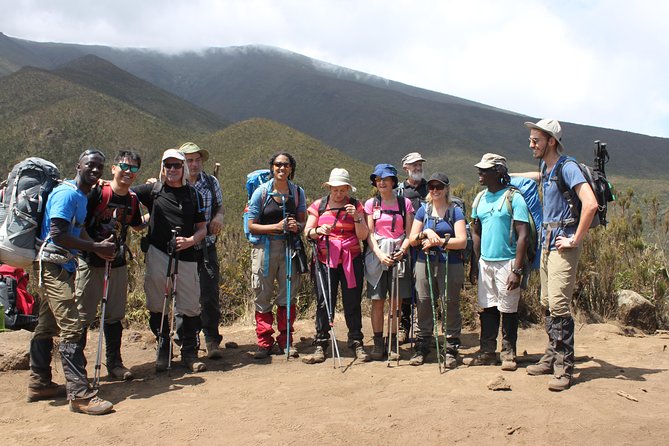
The private format helps. Only your group takes part, so the pace and daily routine are not tied to a large mixed party. The team includes English-speaking mountain guides, porters, and a cook. Guides Mawra and Samson received especially warm praise for their professional support, with the porters and cook also singled out for keeping the group well fed and on schedule.
More Kilimanjaro routes and climbs:
- Kilimanjaro climb by Lemosho Route (7-day)
★ 5.0 · 651 reviews - Kilimanjaro climb, Machame Route (7-day)
★ 5.0 · 262 reviews - Kilimanjaro Climbing Lemosho Route 8 Days.
★ 5.0 · 186 reviews
Day 1: Machame Gate to Machame Camp
Your climb begins with a drive to Machame Gate at 1,640 meters, or 5,380 feet. From there, you walk 11 kilometers through the rainforest to Machame Camp at 2,850 meters, or 9,350 feet.
The expected walking time is five to six hours. This is a full first day, but the elevation gain gives you an early taste of how the climb will work. The rainforest zone is the first major change from ordinary life in Moshi, with a wetter, greener setting and a clear sense that the mountain has begun.
You should pace yourself from the start. The aim is not to prove how fast you can walk on day one. A calm pace leaves more energy for the higher camps, especially because the next few days continue upward.
Admission fees are included, as are transportation arrangements and mountain meals. Your first night is in a waterproof tent at Machame Camp. Camping makes the experience more basic than a lodge-based holiday, but the supplied equipment includes sleeping mats, a dining tent, crew tents, and proper tables and chairs.
Day 2: A shorter walk to Shira Camp 2
Day two covers five kilometers from Machame Camp to Shira Camp 2. The climb takes about five to six hours and reaches 3,810 meters, or 12,500 feet.
The distance is short on paper, but altitude changes the effort. You are now leaving the rainforest and entering the low alpine zone. A short day can be useful here because the main challenge is not simply distance. It is how your body handles thinner air.
This is a good day to follow the guide’s pace and pay attention to how you feel. The included pulse-oximeter lets the team measure oxygen levels, while the guide’s mountain experience helps with day-to-day decisions. The equipment does not remove the risks of altitude, but it gives the crew tools to monitor and respond to problems.
You sleep at Shira Camp 2, where the temperature and exposure may feel different from the forest below. The full-board meal plan continues, with breakfast, lunch, and dinner supplied on the mountain.
Day 3: Shira Camp 2 to Barranco Camp
Day three is the longest scheduled walking day before the summit push. You travel 10 kilometers from Shira Camp 2 to Barranco Camp in about eight to nine hours.
The route moves from the low alpine zone toward the high alpine zone. The longer time matters. You need stamina, patience, and a willingness to keep a steady rhythm for most of the day.
Barranco Camp sits at 3,995 meters, or 13,106 feet, according to the route details. Reaching this camp after a long day can feel demanding, especially as you are already sleeping high above Moshi. The reward is a dramatic change in the mountain setting and a clear sense of progress toward the summit.
This is also where the value of the camp routine becomes clear. You are not expected to manage food, water, cooking, tents, and transport on your own. The crew handles those jobs while you focus on walking, resting, eating, and preparing for the next stage.
A few more trips of this kind worth comparing:
- Kilimanjaro climb, Lemosho Route (6-day)
★ 5.0 · 129 reviews - Kilimanjaro climb, Marangu route (6-day)
★ 5.0 · 72 reviews - 6 Days 5 Night Safari
★ 5.0 · 57 reviews - 6 Days Tanzania Classic Safari
★ 5.0 · 52 reviews
Day 4: Barranco, Karanga Valley, and Barafu
Day four is short in distance but important in altitude. You walk four kilometers in about four to five hours, first from Barranco Camp to Karanga Valley Camp at 3,995 meters, then onward to Barafu at 4,673 meters, or 15,331 feet.
The plan includes lunch at Karanga Valley before continuing to Barafu. That split gives the day a useful structure, although the final climb to Barafu still puts you high and close to the summit zone.
Barafu is the launch point for the summit attempt. At 4,673 meters, you are already well above the altitude of most inhabited places. You should expect the short distance to feel harder than a four-kilometer walk at home.
The summit day follows soon after, so this is not the time for a late-night celebration. Use the afternoon to rest, organize clothing, and follow the guide’s instructions. The detailed schedule does not state a separate rest day at Barafu, so you should understand that this six-day version keeps moving.
Day 5: Uhuru Peak and the descent to Mweka Camp
The goal on day five is Uhuru Peak, the summit of Kilimanjaro, at 5,895 meters, or 19,341 feet. The route description gives four to six hours for this day and lists 12 kilometers of walking before the overnight stop at Mweka Camp, around 10,000 feet.
Because the summit and descent are combined, the day deserves careful attention. The schedule’s four to six hours may describe the listed hiking segment rather than every minute involved in the full summit effort. Confirm the expected start time and total walking plan with the operator before departure, since the supplied details do not spell that out.
The terrain moves into the glacial zone and then back through the higher zones on descent. You receive a porter to carry your day-pack during the summit attempt, a small but valuable support measure when every extra kilogram matters.
Safety provisions are particularly important here. Emergency oxygen, a Gamow Bag, mountain rescue fees, VHF radios, and a pulse-oximeter are included. These items should not be read as a guarantee of a summit or a substitute for sensible decisions. Their value is that the crew is equipped to communicate, monitor you, and respond if altitude or weather creates trouble.
You finish the day at Mweka Camp. After the summit, even a modest descent can feel welcome, but you will still have one more walking day ahead.
Day 6: Mweka Camp to the gate and back to Moshi
The final walk descends 10 kilometers from Mweka Camp to Mweka Gate at 1,640 meters, or 5,340 feet. The expected walking time is three to four hours, again through the rainforest zone.
This last section lets you return to lower altitude and finish the mountain portion at a more relaxed pace. It is still a proper hike, particularly after the summit effort, so supportive footwear and patience remain useful.
At Mweka Gate, transportation takes you back to the hotel. The plan includes a summit certificate and a celebration party, followed by an overnight stay at your previous hotel. Two standard hotel nights are included in total, one before and one after the climb, with bed and breakfast at the hotel.
That final night matters. A shower, a bed, and a slower morning are welcome after five nights in tents. It also gives you a proper endpoint rather than sending you straight into another transfer.
What the $2,326.61 price covers
At $2,326.61 per person, this is not a budget walk, but the price includes many costs that can otherwise appear as extras. Park entrance fees, government taxes, rescue fees, arrival and departure transfers, local transportation, hotel accommodation, mountain tents, meals, drinking water, guides, porters, and camp equipment are all covered.
The food arrangement is stronger than a simple packed-lunch setup. You receive breakfast, lunch, and dinner on the mountain, with large portions of fresh and nutritious food. Warm water for washing is provided each day, and the dining setup includes aluminum tables and chairs with backs and armrests.
The safety gear also affects the value. Emergency oxygen, a Gamow Bag, radios, and a pulse-oximeter require a properly organized mountain operation. The inclusion of a portable personal flush toilet is another practical comfort in a remote camp setting.
You still need to budget for tips, a Tanzania visa on arrival, laundry, telephone use, beverages, and optional tours such as a short safari after the climb. Those extras can change the final cost, so I would plan for them before booking.
Food, tents, water, and daily camp life
The camp setup aims to make a demanding climb more manageable. Waterproof sleeping tents are supplied, along with a separate mess tent and crew tents. Cold-weather sleeping mats are included, though you should confirm the exact equipment details if you have strict personal requirements.
Clean, purified drinking water is provided. That removes one major planning task, but you still need to keep drinking regularly throughout the day. The route reaches nearly 5,900 meters, so hydration and steady eating are practical parts of your altitude plan.
Warm washing water is supplied every day. Do not expect hotel-style bathing, but this small service can make a big difference after a long walk. The dining tent and chairs with armrests also give you a place to sit properly, eat, and recover instead of balancing a meal on your sleeping bag.
The company presents fair and ethical treatment of porters as part of the service. That matters on Kilimanjaro, where porters carry much of the camp operation. You should still ask for current details about porter welfare, loads, wages, and tipping expectations before you go.
Safety, communication, and guide support
The safety package is one of the strongest reasons to consider this climb. Each trek carries VHF handheld radios for communication, and the crew has emergency oxygen, a Gamow Bag, and a pulse-oximeter. Rescue fees on the mountain are included.
These provisions are useful because the route moves through remote and high-altitude areas. They do not make the climb risk-free, and no equipment can promise that you will reach Uhuru Peak. You should be ready for the guide to change the plan if your health or the weather requires it.
The climb is supported by professional English-speaking mountain guides. Mawra and Samson are named as guides who gave careful support during the hikes and especially during the summit attempt. That is the kind of help you want on a route where calm pacing and close attention matter more than bravado.
The private format may also improve communication. You can raise concerns directly with your own guides rather than trying to get attention in a large party. Group discounts are offered, though the available details do not state the discount amount or the minimum group size.
Who should choose this climb?
I would recommend this version to a fit adult who wants the Machame Route experience but has only six days available on the mountain. It can work for a first-time trekker, provided that person has trained properly and understands the altitude challenge.
It is a good match if you value organized logistics, full-board meals, safety equipment, and a private group. You also benefit if you prefer a clearly supported camping trip rather than arranging tents, food, transfers, and park fees yourself.
I would be more cautious if you are new to long-distance walking, unsure about high altitude, or hoping for a relaxed schedule. A six-day climb leaves limited room for slow acclimatization, and the summit day combines the main ascent with a long descent.
The route is not suitable for someone looking for a soft adventure with guaranteed comfort. The hotel nights are comfortable bookends, but most of the experience takes place in tents, at altitude, across six consecutive days.
Booking details and cancellation
Pickup is offered, mobile tickets are available, and confirmation is received at booking. The activity is private, and public transportation is nearby for the relevant meeting areas.
You can cancel at least 24 hours before the local start time for a full refund. Cancellations or changes made within 24 hours are not accepted for a refund. If poor weather cancels the climb, you are offered a different date or a full refund.
Should you book the six-day Machame Route?
Book it if you want a well-supported, private Kilimanjaro climb with strong equipment, full mountain meals, hotel nights, and guides who have earned praise for professional care. The included safety gear and camp services make the $2,326.61 price easier to justify.
Think twice if you need a slow altitude schedule or have little hiking preparation. The route’s 62 kilometers, high camps, and summit descent demand real fitness.
My practical advice is simple: ask about summit-day timing, porter welfare, exact hotel details, group discount rules, and tipping before you pay. If those answers suit your plans, this Kilimanjaro Brothers climb offers a focused and well-equipped way to reach Africa’s highest peak.
FAQ
How long is the Kilimanjaro Machame Route climb?
The experience lasts approximately six days, with five nights on the mountain. The total distance from gate to gate is about 62 kilometers, or 37 miles.
What fitness level is needed?
You should have a moderate to good level of physical fitness. The route is designed for physically fit people with some hiking experience, although first-time trekkers also use it.
What is the highest point on the climb?
The highest point is Uhuru Peak at 5,895 meters, or 19,341 feet.
Are meals included?
Yes. Breakfast, lunch, and dinner are included while you are on the mountain. The package specifies six breakfasts, six lunches, and six dinners.
Is drinking water provided?
Yes. Clean, purified drinking water is included throughout the mountain climb.
What safety equipment is included?
The climb includes emergency oxygen tanks, VHF handheld radios, a Gamow Bag, rescue fees, and a pulse-oximeter. A porter also carries your day-pack during the summit attempt.
What is not included in the price?
Tips, a Tanzania visa on arrival, personal expenses such as laundry, telephone use, and beverages, and optional tours such as a short safari are not included.
Just added around Moshi
- Moshi: Lake Chala Tour: Hiking &/or Kayaking★ 4.5 · 3 reviews
- 3 Days Tanga Exclusive Beach Holiday★ 5.0 · 3 reviews
- Serengeti Wildebeest Migration.★ 5.0 · 3 reviews
- Chemka Hotpsrings E-Bike Day Trip★ 5.0 · 3 reviews
- Explore 1 day Ngorongoro Crater Budget Group Safari from Arusha★ 5.0 · 3 reviews
- Explore the 360° of Kilimanjaro★ 5.0 · 3 reviews
- Affordable Short Tanzania Safari (2 Days Camping Safari)★ 5.0 · 3 reviews
- Rongai Route 7 Days★ 5.0 · 3 reviews
Kilimanjaro Treks, compared.



8-Day Small-group Lemosho Kilimanjaro Summit Trekking
Read our review →


Climbing Kilimanjaro through 7 days Machame Route
Read our review →

Browse the lists this tour appears in