
Reviewed · KILIMANJARO TREKS
Kilimanjaro Machame Route 7 Days
The mountain changes by the hour. This seven-day Machame climb takes you from Tanzania’s rainforest to the volcanic highlands and Uhuru Peak, with six days of walking and transfers at the beginning and end. I like the built-in acclimatization day through Shira, Lava Tower, and Barranco, and I like the serious safety equipment, including oxygen, radios, a Gamow Bag, and daily oxygen checks.
The price is $2,669.88 per person, which is not small, but it covers park fees, mountain meals, tents, transport, hotel stays, guides, porters, rescue fees, and arrival and departure transfers. My main caution is that the accommodation description needs clarification: it refers to both classic standard and comfort hotel nights, while the overview says two Moshi nights. Ask exactly where you sleep before and after the climb.
In This Review
- Key points at a glance
- What the seven-day Machame route is really like
- Day one: Machame Gate to Machame Camp
- Day two: Machame Camp to Shira Camp 2
- Day three: Shira, Lava Tower, and Barranco
- Day four: Barranco Camp to Karanga Valley
- Day five: Karanga Valley to Barafu Camp
- Day six: Uhuru Peak and Mweka Camp
- Day seven: Mweka Camp to Mweka Gate
- The support system and camp comfort
- Hotels, transfers, and what to confirm
- Is $2,669.88 good value?
- Who should book this climb?
- Final verdict: a well-supported route with details to confirm
- FAQ
- How long is the Kilimanjaro Machame Route experience?
- How far do you walk on the full route?
- What is the highest point reached?
- Are meals included?
- Is airport transportation included?
- What happens if bad weather cancels the climb?
Key points at a glance
- A gradual Machame itinerary: The route reaches Shira Camp 2 on day two, then uses the high Lava Tower crossing before sleeping lower at Barranco.
- A serious safety package: Emergency oxygen, a Gamow Bag, pulse oximeters, VHF radios, rescue fees, and a portable toilet are included.
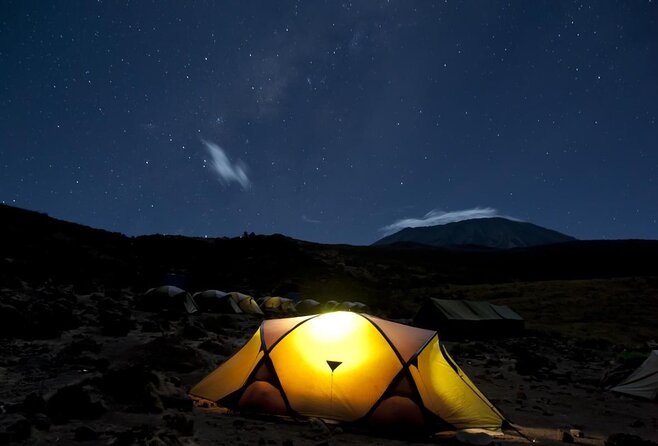
- Comfort at camp: You get waterproof tents, sleeping mats, solar LED lights, dining tables, chairs with backs and armrests, and warm washing water.
- A demanding summit day: You climb to Uhuru Peak at 5,895 meters, then descend to Mweka Camp.
- Strong human support: The guiding team is led by George Mtaki, with past airport welcomes handled by team members including Kelvin and Mo.
- Private-group format: Only your group participates, with group discounts available and mobile ticketing offered.
What the seven-day Machame route is really like
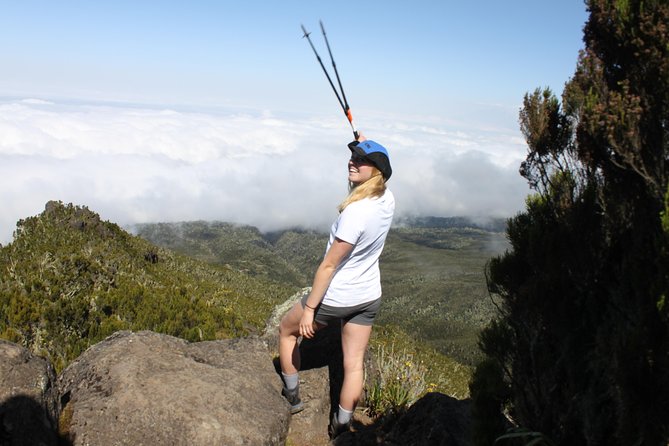
Machame is popular because it gives you changing scenery and a useful rhythm of ascent and descent. You do not simply march uphill every day. The route rises to higher ground, then drops or pauses at useful points, giving your body more time to adjust to thin air.
This is still a relatively challenging trek, not a casual nature walk. The program asks you to cover about 62 kilometers, or 37 miles, over the week. You need moderate physical fitness, patience, and a willingness to walk slowly when the guide sets the pace.
The private format is useful if you want your schedule handled around your own group. It can also make the climb feel more personal, though the price may be higher than joining a larger group. Group discounts are offered, so ask how the cost changes with your party size.
More Kilimanjaro routes and climbs:
- Kilimanjaro climb by Lemosho Route (7-day)
★ 5.0 · 651 reviews - Kilimanjaro climb, Machame Route (7-day)
★ 5.0 · 262 reviews - Kilimanjaro Climbing Lemosho Route 8 Days.
★ 5.0 · 186 reviews
Day one: Machame Gate to Machame Camp
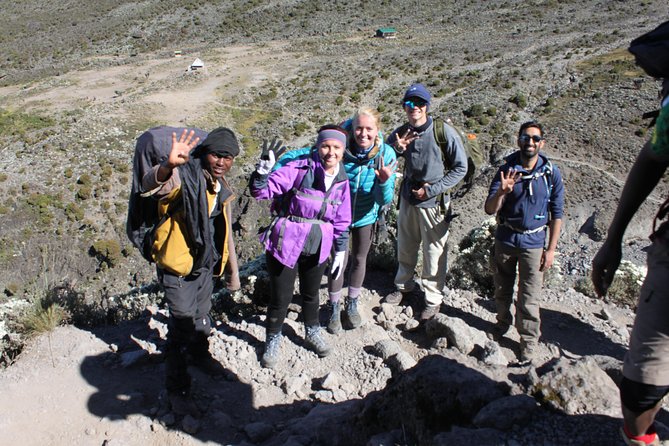
Your first mountain day begins with a drive to Machame Gate at about 1,640 meters, or 5,380 feet. From there, you walk roughly 11 kilometers through the rainforest to Machame Camp at 2,850 meters, or 9,350 feet.
The listed walking time is five to six hours. That makes this a full day, but not an extreme one by Kilimanjaro standards. The rainforest is the first big reward. It gives you shade, damp air, thick plant life, and a clear sense that you have left Moshi behind.
You should not treat this first day as a race. The goal is to arrive at camp in good shape, eat well, drink water, and rest. The team provides purified drinking water and warm water for washing, which matters after a humid walk.
The first camp night also shows you how organized the support system is. Waterproof tents, sleeping mats, toilet tents, solar LED lights, and a dining setup with large aluminum tables and chairs are included. These are simple mountain comforts, but they make a difference when your legs are tired.
Day two: Machame Camp to Shira Camp 2
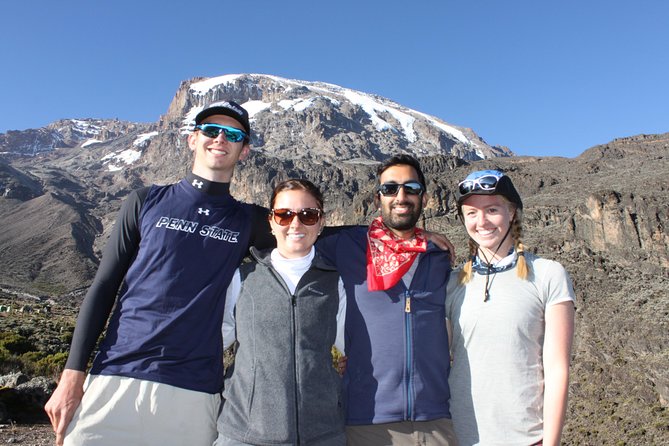
Day two covers only about five kilometers, with five to six hours of walking. The shorter distance does not mean an easy day. You climb from 2,850 meters to Shira Camp 2 at approximately 3,810 meters, or 12,500 feet.
This is an important day for adjusting to elevation. The program gives you time to climb without piling on a long distance. The zone changes from rainforest to the low alpine area, so the scenery begins to open up and feel more exposed.
I like this part of the plan because it does not force you to spend every day covering maximum ground. The camp elevation is high enough to make you aware of the altitude, but the walking distance remains manageable.
At this point, your appetite, sleep, and energy can change. The food matters. The operator describes large portions of fresh, healthy meals with breakfast, lunch, and dinner included. Past accounts of the climb specifically praised the plentiful food, vegetables, and regular tent setup. You should still bring any personal snacks you know you can eat comfortably.
Day three: Shira, Lava Tower, and Barranco
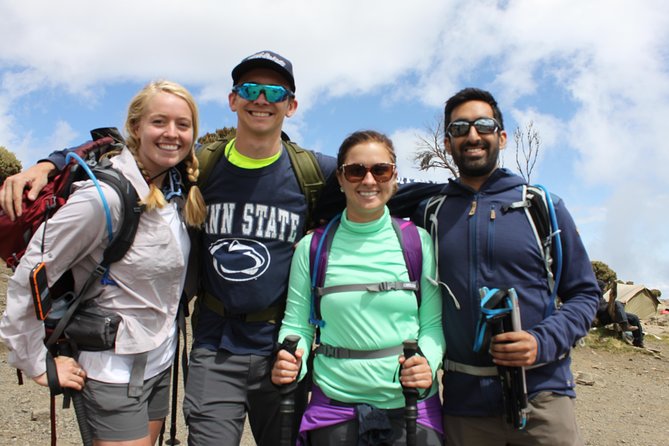
Day three is the route’s big acclimatization test. You walk about 10 kilometers over eight to nine hours, climbing from Shira Camp 2 to Lava Tower at 4,630 meters, or 15,190 feet, before descending to Barranco Camp at 3,976 meters, or 13,044 feet.
This rise and descent is one of the most valuable parts of the itinerary. You spend time at a much higher elevation, then sleep lower than Lava Tower. That gives you a better chance to see how your body reacts before summit night.
It is also the day when the climb begins to feel serious. Eight to nine hours on your feet takes focus, even though the distance is not enormous. The high alpine zone brings colder, drier conditions and less shelter than the forest.
Take the guide’s pace seriously here. The point is not to prove that you can walk fast. It is to arrive at Barranco with enough energy to eat, drink, and recover. The included pulse oximeter checks and medical equipment are reassuring, but they do not replace telling your guide when you feel unwell.
The support team has earned praise for calm pacing, encouragement, organization, and attention to safety. Those qualities matter most on a day like this, when a cheerful attitude helps but good judgment matters more.
A few more trips of this kind worth comparing:
- Climbing Kilimanjaro through 7 days Machame Route
★ 5.0 · 151 reviews - 7 Days Kilimanjaro via Machame route affordable price
★ 5.0 · 110 reviews - Private Kilimanjaro Hike 7 Day Lemosho Route
★ 5.0 · 60 reviews - 7-Day Magical Tanzania Safari -Premium High End Package
★ 5.0 · 53 reviews
Day four: Barranco Camp to Karanga Valley
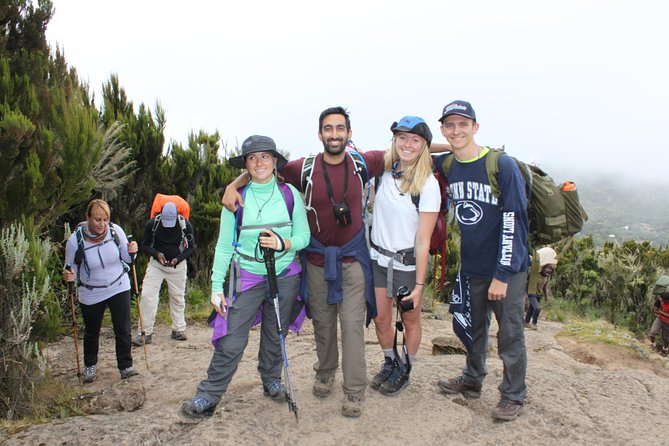
Day four is shorter, at roughly four kilometers and four to five hours. You climb from Barranco Camp to Karanga Valley Camp at about 3,995 meters, or 13,106 feet.
The short distance gives you a chance to recover from the previous day. You are still in the high alpine zone, so this is not a rest day in the usual sense. You continue gaining elevation while keeping the walking time limited.
This is a good place to pay attention to small problems. Blisters, poor sleep, a lack of appetite, or a headache can become harder to manage later. Your guide team carries communication radios and monitors oxygen levels, but you need to speak up early.
The camp routine is designed to keep you functional. Meals are served at proper tables with chairs that have backs and armrests, and warm washing water is provided daily. Do not expect hotel comfort on the mountain, but these details are more thoughtful than a bare tent and a quick meal.
Day five: Karanga Valley to Barafu Camp
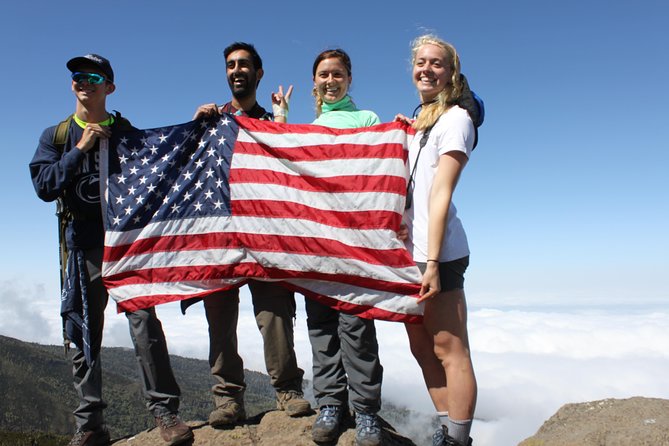
The route now climbs four kilometers to Barafu Camp at 4,673 meters, or 15,331 feet. The listed walking time is about four hours, and you remain in the high alpine zone.
Barafu is the staging point for the summit attempt. You should expect this to be a quiet, practical afternoon. Eat, drink, organize your clothing, and prepare the small day-pack that the porter carries during the summit attempt.
The summit section will be colder and more demanding than the earlier days, so use this time to check your essentials. Keep your warm layers, water, snacks, headlamp if you bring one, and personal items ready. The provided information does not specify a full equipment list, so confirm what you must supply yourself before arrival.
A gear check before departure has been part of the team’s service for some climbers. That is worth requesting, especially if this is your first high-altitude trek.
Day six: Uhuru Peak and Mweka Camp
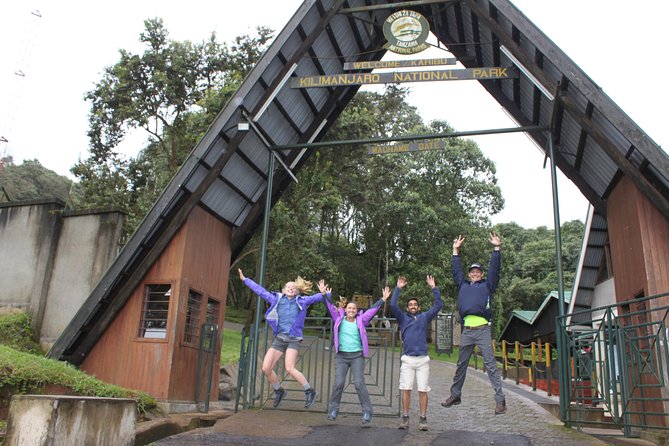
Day six is the emotional center of the trip. You climb to Uhuru Peak at 5,895 meters, or 19,341 feet, then descend to Mweka Camp at approximately 10,000 feet.
The schedule lists four to six hours of hiking and a distance of 12 kilometers. Because this combines the summit ascent with a major descent, ask the operator to explain the expected start time, total moving time, and rest pattern. The published timing appears to describe only part of the day, so a precise briefing is important.
At the summit, the reward is not simply a photograph. You have crossed several distinct climate zones, slept in tents, managed thin air, and kept moving when the mountain became uncomfortable. The final section is glacial and includes the preceding zones as you descend.
You may feel strong one hour and exhausted the next. Stay close to the guides, use the safety checks, and follow their instructions. The included emergency oxygen, Gamow Bag, rescue fees, radios, and pulse oximeter give the team useful tools, but the safest decision can sometimes be turning around.
The porter carrying your day-pack during the summit attempt is another practical advantage. A lighter load helps when every step requires effort. Be respectful of the porter system and ask the company how its fair-treatment policy works in practice.
After the summit, Mweka Camp provides a place to sleep before the final walk out. Do not plan a busy evening. You will want food, water, warmth, and rest.
Day seven: Mweka Camp to Mweka Gate
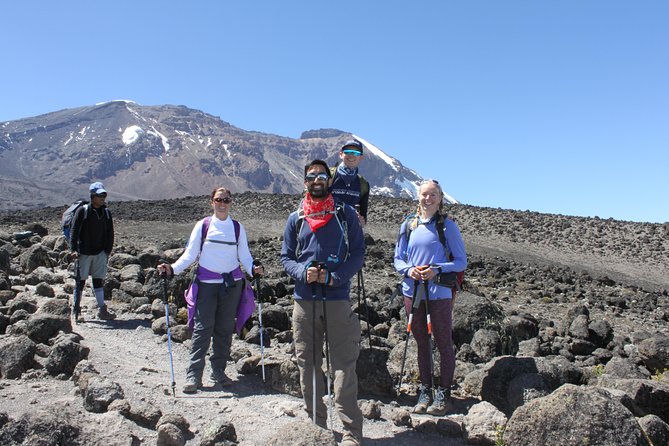
The final descent passes back through rainforest to Mweka Gate. The itinerary gives two different distance and elevation descriptions: one section says four kilometers to the gate, while another says 10 kilometers, and the gate is listed at both 4,600 meters and 1,640 meters.
The intended route is clearly a descent from Mweka Camp to Mweka Gate, but you should confirm the exact distance and elevation with the operator. The 1,640-meter figure matches the lower gate elevation given elsewhere, while 4,600 meters appears inconsistent with a rainforest exit.
The listed walking time is three to five hours. Once you reach the gate, a transfer takes you back to your previous hotel for a certificate and summit party ceremony.
This last day can feel longer than expected because descending is hard on tired knees. Trekking poles, if you use them, may help, but the supplied information does not confirm whether they are provided. Ask before you pack.
The support system and camp comfort
The strongest part of this trip is the amount of practical support included in the mountain price. You receive purified drinking water, warm washing water, full-board meals, tents, sleeping mats, toilet tents, solar lighting, and dining furniture.
The safety list is unusually detailed:
- Emergency oxygen tanks
- A Gamow Bag, which is a portable hyperbaric chamber
- VHF handheld radios
- Pulse oximeters
- Mountain rescue fees
- A portable personal flash toilet
These items do not make altitude harmless, but they show that the operator has planned for problems rather than treating the climb as a simple hike. The guides are professional English speakers, and the company promotes fair and ethical treatment of porters.
Food also receives strong praise. The menu is described as nutritious and generous, with vegetables and enough quantity for long walking days. You get breakfast, lunch, and dinner on the mountain, along with hotel accommodation on a bed-and-breakfast or full-board basis depending on the night.
Hotels, transfers, and what to confirm
Arrival and departure transfers are included, as is transportation within the destination. That removes a common source of stress, especially if you land at Kilimanjaro International Airport and do not want to negotiate a transfer after a long flight.
The company has provided airport welcomes by team members such as Kelvin and Mo, while George Mtaki is identified as a senior guide and director. The personal welcome is part of the service style, and several accounts describe the operation as punctual, organized, and warm from airport arrival through the hotel stay.
The accommodation wording is less clear. It lists two classic standard hotel nights and two comfort hotel nights, with one before and one after the trek in each category. The overview, however, says two Moshi nights. Ask these questions before paying:
- How many hotel nights are included in total?
- Which hotel category applies to your booking?
- Is the night before the climb standard or comfort?
- Is the night after the climb in the same hotel?
- Are breakfast and other meals included on those nights?
A clear answer will help you compare the price with other Kilimanjaro operators.
Is $2,669.88 good value?
At $2,669.88 per person, this is a substantial purchase. The value depends on what you would otherwise need to arrange yourself.
The fee includes government taxes, park entrance fees, rescue charges, transfers, two hotel stays as described, all mountain meals, guides, porters, tents, sleeping gear, safety equipment, and camp facilities. Those costs add up quickly on Kilimanjaro, so the headline price is not the whole story.
I see the best value for a first-time climber who wants one company handling the practical details. The equipment and medical provisions are also useful for someone who prefers a more structured operation.
You still need to budget for tips, a Tanzania visa on arrival, laundry, telephone use, drinks, personal expenses, and optional add-ons such as a safari. Ask about group discounts if several people are booking together.
The service record described for this company emphasizes punctual transfers, clean and dry tents, abundant food, professional guides, and strong encouragement on summit day. Those are exactly the things that can turn a difficult climb into a manageable one.
Who should book this climb?
I would recommend it to a reasonably fit person who wants Kilimanjaro’s major climate zones in one trip and values organized support. The seven-day schedule is more sensible for acclimatization than a rushed itinerary, especially because it includes the Lava Tower high point followed by a lower night at Barranco.
It also suits a private group, a company group, or friends who want the same guides and schedule from airport pickup through the summit ceremony. The welcoming style may appeal to you if personal contact with a local Tanzanian operator matters.
I would hesitate if you want a soft adventure, dislike sleeping in tents, or do not want to carry personal gear through cold and changing conditions. Moderate fitness is required, and the summit is never guaranteed. You also need to clarify the hotel arrangement and the day-six and day-seven timing before booking.
Free cancellation is available if you cancel at least 24 hours before the local start time. Changes or cancellations inside that window are not refundable, and poor weather may lead to a different date or a full refund.
Final verdict: a well-supported route with details to confirm
I like this Machame itinerary for its steady altitude plan, full mountain support, and strong attention to food, communication, and safety. The company’s warm, hands-on style, associated with George Mtaki and team members such as Kelvin and Mo, adds a human touch to a demanding climb.
Book it if you want a private, well-supported Kilimanjaro attempt and are comfortable paying for a broad package. Before you commit, get the hotel nights, summit-day timing, Mweka descent details, and personal equipment list in writing. With those points clear, this looks like a solid choice for your first major high-altitude trek.
FAQ
How long is the Kilimanjaro Machame Route experience?
The experience lasts approximately seven days. It includes six full days of walking and hotel accommodation in Moshi before and after the mountain trek.
How far do you walk on the full route?
The stated total distance is about 62 kilometers, or 37 miles. Individual days range from approximately four to 12 kilometers, depending on the section.
What is the highest point reached?
The climb reaches Uhuru Peak at 5,895 meters, or 19,341 feet.
Are meals included?
Yes. Breakfast, lunch, and dinner are included during the climb, and the package also lists hotel accommodation on a bed-and-breakfast or full-board basis.
Is airport transportation included?
Yes. Arrival and departure transfers are included, along with transportation within the destination.
What happens if bad weather cancels the climb?
If poor weather causes the experience to be canceled, you are offered a different date or a full refund. For other cancellations, you must cancel at least 24 hours before the local start time for a full refund.
Just added around Moshi
- Moshi: Lake Chala Tour: Hiking &/or Kayaking★ 4.5 · 3 reviews
- 3 Days Tanga Exclusive Beach Holiday★ 5.0 · 3 reviews
- Serengeti Wildebeest Migration.★ 5.0 · 3 reviews
- Chemka Hotpsrings E-Bike Day Trip★ 5.0 · 3 reviews
- Explore 1 day Ngorongoro Crater Budget Group Safari from Arusha★ 5.0 · 3 reviews
- Explore the 360° of Kilimanjaro★ 5.0 · 3 reviews
- Affordable Short Tanzania Safari (2 Days Camping Safari)★ 5.0 · 3 reviews
- Rongai Route 7 Days★ 5.0 · 3 reviews
Kilimanjaro Treks, compared.



8-Day Small-group Lemosho Kilimanjaro Summit Trekking
Read our review →


Climbing Kilimanjaro through 7 days Machame Route
Read our review →

Browse the lists this tour appears in