
Reviewed · KILIMANJARO TREKS
Kilimanjaro Private Climbing in 6 Days Marangu Route
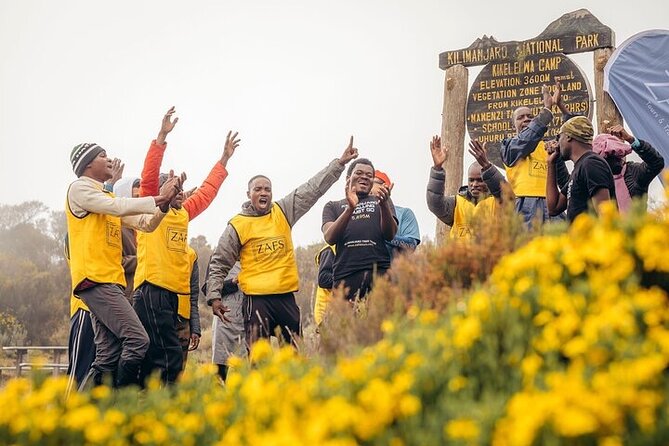
Africa’s highest summit rewards patience. This six-day private climb with ZAFS Tours takes the classic Marangu Route from Moshi to Uhuru Peak, using mountain huts rather than tents. I like the built-in acclimatization day at Horombo and the strong safety setup, including daily health checks, wilderness first responder guides, first aid, and emergency oxygen.
I also like the level of support. The average support ratio is four crew members for each climber, with guides, cooks, and porters handling the hard work while you focus on walking, breathing, eating, and resting. The main drawback is the route itself: Marangu uses the same trail up and down, and its six-day schedule still asks you to make a long summit push after midnight.
In This Review
- The six details that matter most
- Why the Marangu Route appeals to many climbers
- Day 1: Marangu Gate to Mandara Huts
- Day 2: Mandara to Horombo through heathland
- Day 3: The Horombo acclimatization day
- Day 4: Horombo to Kibo across the high saddle
- Day 5: Gillman’s Point, Uhuru Peak, and the long return
- Day 6: Horombo to Marangu Gate and Moshi
- Safety, food, and the human side of the climb
- What the $2,000 price really covers
- Packing advice that follows from the route
- Who should book this climb?
- Should you book the six-day Marangu Route?
- FAQ
- Where does the Kilimanjaro climb start?
- How long is the experience?
- Is this a private tour?
- Where do I sleep during the climb?
- Is airport pickup included?
- Are meals included?
- Is personal trekking equipment included?
- What insurance do I need?
The six details that matter most
- Two nights at Horombo Huts: The extra night gives your body more time to adjust before the summit attempt.
- Wooden hut accommodation: You sleep in A-framed huts rather than camping, though facilities remain basic.
- A midnight to 2 a.m. summit start: Summit day lasts about 14 hours and is the toughest part of the climb.
- Experienced mountain staff: Guides have at least eight years of Kilimanjaro experience and wilderness first responder certification.
- A fully supported private climb: Your group hikes privately, with meals, drinking water, porters, cooks, transfers, and rescue fees included.
- A $2,000 package: The price covers the major mountain costs and two hotel nights, but not gear, insurance, tips, snacks, visas, or international flights.
Why the Marangu Route appeals to many climbers
Marangu is often called the hut route because you sleep in simple wooden shelters each night. That makes it appealing if you would rather not carry camping equipment or sleep in a tent after a long day on your feet.
The route also has a gentle visual progression. You begin in thick rainforest, walk through heath and moorland, cross a wide high-altitude saddle, then climb across bare volcanic ground toward Kibo. The scenery changes as the air gets thinner, which helps you understand the mountain in stages.
The tradeoff is important. Marangu is not a private trail in the sense of being empty, and the route follows the same general path on the way down. You do not get the varied descent offered by routes that approach from another side of Kilimanjaro.
The six-day version is a better choice than a rushed five-day schedule because it includes a second night at Horombo. That extra acclimatization day is not decorative. At altitude, a slower plan can make the difference between enjoying the climb and spending it with a headache, nausea, or no energy.
More Private Tours in Moshi
- Private Kilimanjaro Hike 7 Day Lemosho Route
★ 5.0 · 60 reviews - Private Tour to Materuni waterfalls, coffee tour & Kikuletwa hot- springs
★ 5.0 · 49 reviews - 4 Day Private Tour Throughout Tarangire, Serengeti and Ngorongoro
★ 5.0 · 42 reviews
Day 1: Marangu Gate to Mandara Huts
Your climb begins with a roughly 60-minute drive from Moshi to the village of Marangu and the Kilimanjaro National Park Gate. The gate is where permits are issued and mountain crews organize their loads, so expect some waiting before you start walking.
That pause is useful. You can check your pack, meet the crew, and watch the practical side of a Kilimanjaro climb come together. Your guide can also point out plants, animals, and features of the forest as you gain height.
The first walking section takes about four hours. The trail runs through rainforest, with a gradual but steady uphill feel. Lower sections can be muddy and slippery, especially after rain, so proper rain gear is more than a nice extra. Trekking poles will also help with balance.
You sleep at Mandara Huts, a group of wooden A-framed buildings in a forest clearing. This first night is usually less about heroic effort and more about settling into the rhythm of mountain life: walk, eat, drink, wash, rest, and repeat.
Day 2: Mandara to Horombo through heathland
After breakfast, the forest gives way to heathland. Giant lobelias and groundsels become the memorable plant life, while smaller shrubs take over as you reach open moorland.
This section takes about seven hours, including a lunch stop. The walking is longer than day one, but the surroundings open up, giving you broad views toward Mawenzi. That jagged volcanic peak is one of Kilimanjaro’s most striking features and a good reminder that this is a huge volcanic mountain system, not simply one cone.
You finish at Horombo Huts, beneath views toward Kibo, the summit massif. Temperatures drop noticeably in the afternoon and evening, so keep warm layers handy rather than buried at the bottom of your bag.
Horombo is a key rest point. The huts provide shelter, but you should not expect hotel comfort. The mountain environment is basic, and your comfort depends heavily on dry clothing, a warm sleeping arrangement, hydration, and a sensible bedtime.
Day 3: The Horombo acclimatization day
This is the quiet hero of the itinerary. You spend a second night at Horombo, either resting near the huts or taking a recommended acclimatization walk toward Mawenzi base camp.
The walk passes Zebra Rocks and takes about four hours. It gives you time at higher altitude without forcing you to sleep much higher that night. That pattern, climbing a little higher during the day and returning to the same hut, helps your body adjust.
I would take this day seriously. It may feel tempting to stay in bed, especially if your legs are tired, but a controlled walk can help you judge how your body is responding. Your guide can also watch for altitude symptoms and adjust the pace or plan if needed.
The company says it performs daily health checks. That is valuable here, since you are close enough to the summit zone for altitude to become a real concern. The guides’ wilderness first responder training and emergency oxygen supply add useful safeguards, but neither replaces honest communication. Tell your guide if you feel unwell.
More Kilimanjaro routes and climbs:
- Kilimanjaro climb by Lemosho Route (7-day)
★ 5.0 · 651 reviews - Kilimanjaro climb, Machame Route (7-day)
★ 5.0 · 262 reviews - Kilimanjaro Climbing Lemosho Route 8 Days.
★ 5.0 · 186 reviews - Climbing Kilimanjaro – Machame Route
★ 5.0 · 170 reviews
Day 4: Horombo to Kibo across the high saddle
After breakfast, vegetation fades as you move through the final heathland and onto the broad saddle between Mawenzi and Kibo. The walk takes about seven hours, with lunch during the crossing.
This is a stark section. The saddle is wide and exposed, and the summit climb ahead becomes visible in a way that can be both inspiring and slightly alarming. From Kibo Hut, Uhuru Peak is still about 1,195 meters higher.
Water is available only up to about 4,130 meters, so follow the crew’s instructions about carrying and using your supply. This is also the point where small packing mistakes become annoying. Keep your warm clothes, headlamp, gloves, water, and personal essentials easy to reach.
The schedule calls for an early bedtime because the summit attempt begins between midnight and 2 a.m. Do not treat this as a normal evening. Eat, organize your clothes, prepare your daypack, and rest as soon as you can.
Kibo Hut is a staging point, not a sightseeing stop. You arrive, eat, prepare for the night climb, and try to sleep. The hut is basic, and altitude may make sleep difficult even when you are exhausted.
Day 5: Gillman’s Point, Uhuru Peak, and the long return
Summit day is the real test. The early start, cold, darkness, loose scree, possible snow, and thin air combine to make this the most demanding part of the climb.
You climb in switchbacks toward Gillman’s Point on the crater rim. The pace is deliberately slow, and your guide’s job is to keep you moving without wasting energy. This is where the advice to walk slowly becomes practical, not poetic.
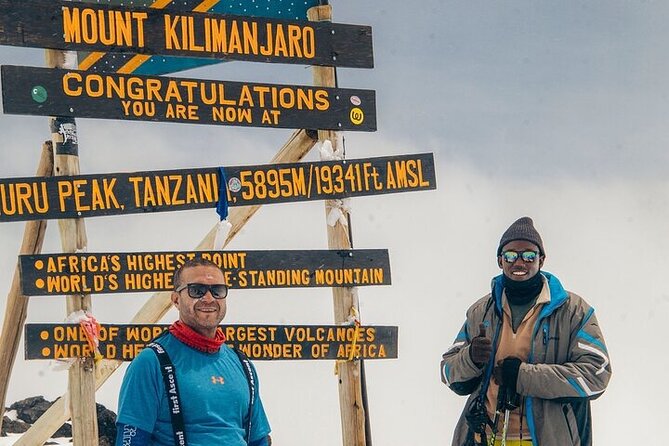
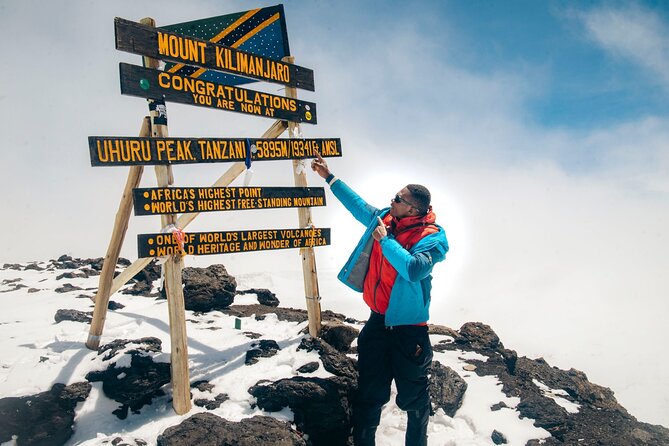
At Gillman’s Point, you may pause for the sunrise. Faster climbers may reach the summit area in time to see it from higher up, but the view from the crater rim is already a major reward. From there, the route continues for roughly another hour toward Uhuru Peak.
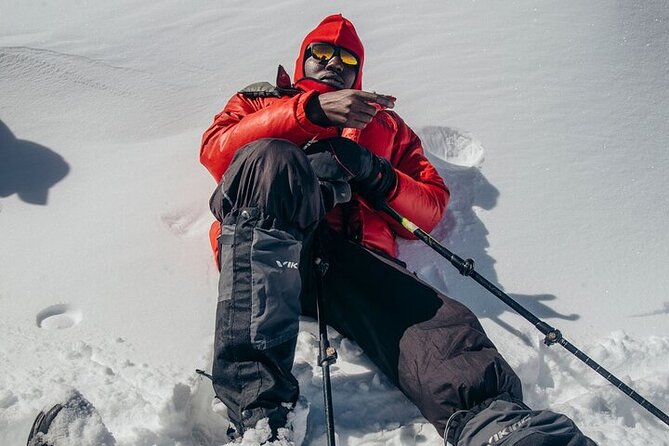
The summit section can include snow and very cold conditions. You need warm layers, gloves, head protection, and reliable footwear. Personal gear is not included in the package, so you are responsible for arriving properly equipped.
The day lasts about 14 hours. After reaching Uhuru Peak, you descend to Kibo Hut, rest briefly, and continue down toward Horombo. This is a long day in every sense. Your success depends on the slow pace, regular drinking, food, encouragement, and willingness to follow the guide’s instructions.
The support staff receive particular praise for carrying equipment, delivering duffel bags on time, preparing good meals, and helping exhausted climbers after the summit. That support does not make the climb easy, but it keeps you from having to solve every practical problem while tired.
Day 6: Horombo to Marangu Gate and Moshi
After breakfast and a team appreciation ceremony, you begin the descent. The route passes Mandara Huts, where you stop for lunch, then continues through the rainforest to Marangu Gate.
The descent takes about seven hours. It is easier on your breathing than the summit climb, but it can be rough on knees and ankles. The lower trail may be wet, muddy, and steep, so gaiters and trekking poles are sensible choices.
At the gate, you receive your summit certificate. This is also when you say goodbye to the guides, cooks, and porters. Tips are not included, so plan for them separately and carry enough local currency or another accepted method according to the operator’s instructions.
A vehicle then returns you to your Moshi hotel, about an hour away. The package includes two nights of hotel accommodation on a bed and breakfast basis, one before and one after the climb. That gives you a proper place to recover and reorganize after leaving the mountain.
Safety, food, and the human side of the climb
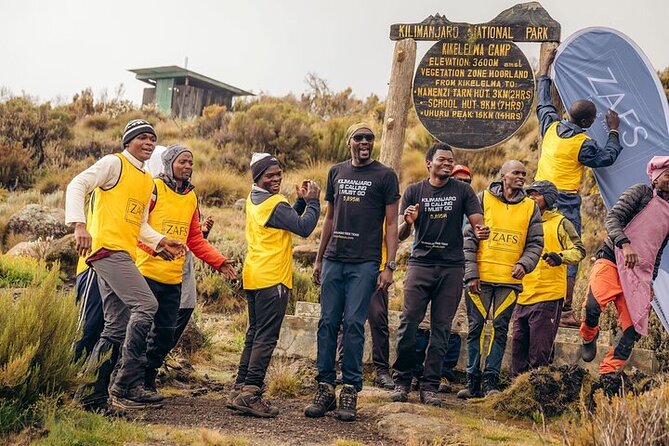
The strongest part of this package is the crew structure. ZAFS Tours says its guides have a minimum of eight years on Kilimanjaro, and the team members have made more than 100 mountain trips. The company also identifies its guides as wilderness first responder certified.
Daily health checks are a useful practice at altitude. You should expect your guide to ask how you feel and pay attention to your pace, appetite, hydration, and general condition. Emergency oxygen is carried on the climb, along with a first aid kit and rescue coverage.
Food is another repeated strength. Meals and drinking water are included on the mountain, and the cooking team receives strong praise for serving filling, tasty food even in a remote setting. Snacks are not included, so bring the personal energy foods you know you will eat.
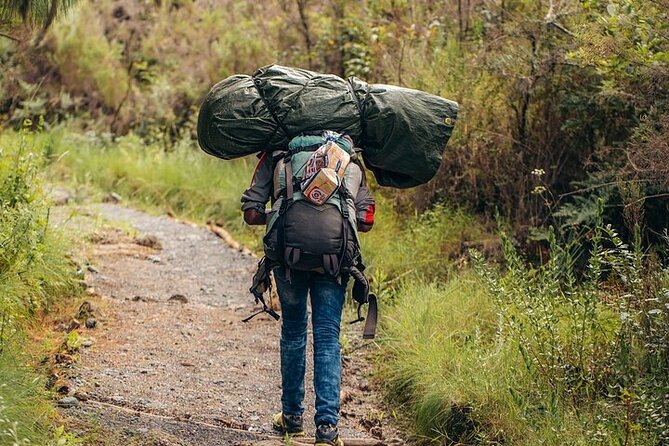
The support ratio averages four staff members per climber. Porters carry group equipment and bags, cooks prepare meals, and guides manage the route and your progress. You still need to carry a daypack and your personal items, but you are not expected to haul all your camping and kitchen equipment.
The private format matters too. Only your group participates, which allows the guide to focus on your pace and condition. It also means your experience depends on the people you book with. A private group of close friends may be encouraging and fun. A private group with very different fitness levels may need patience and compromise.
What the $2,000 price really covers
At $2,000 per person, the price is not just payment for six days of walking. It includes national park entry, hut fees, climbing fees, rescue fees, mountain transport, airport pickup and drop-off, meals and water on the mountain, porters, cooks, guides, emergency equipment, summit certification, and two hotel nights on bed and breakfast.
Those inclusions cover many of the expensive parts of a Kilimanjaro climb. You are also paying for permits, planning, logistics, and a staffed support system that would be difficult to arrange independently.
You still need to budget for international flights, visas, travel insurance, snacks, meals and drinks away from the mountain, personal trekking gear, and tips. Insurance must cover trekking up to 6,000 meters. That altitude requirement is important, so check the wording before you travel rather than assuming ordinary holiday insurance is enough.
The value is strongest if you want a private, organized climb with hut accommodation and a full crew. It is less attractive if you already own the equipment, prefer a very small minimalist operation, or are comparing only the headline price without checking what another company includes.
Packing advice that follows from the route
The mountain weather changes sharply from forest to summit. You need reliable rain gear for the muddy lower trail, warm layers for Kibo and the summit night, and dry clothing for hut evenings.
Make these items easy to reach:
- Waterproof jacket and trousers
- Trekking poles
- Gaiters for wet, muddy sections
- Warm gloves and extra layers
- Headlamp for the midnight summit start
- Personal snacks
- Water containers
- Comfortable trekking footwear
- A small daypack for essentials
The operator does not provide personal trekking gear. Ask about equipment preparation before arrival, especially if you do not already have cold-weather mountain clothing. One person specifically valued the company’s connection with an outdoor shop, which may help with gear planning, but confirm what can actually be rented or purchased.
Who should book this climb?
This trip suits a reasonably fit person who can walk uphill for several hours, tolerate basic hut accommodation, and remain steady during a long summit day. The company lists a moderate fitness requirement, but that should not be read as an easy holiday. Day five can last about 14 hours, much of it in darkness and cold.
It is a good match for first-time high-altitude climbers who want close guidance, provided they prepare properly and take the acclimatization day seriously. It also suits couples, families with suitable fitness levels, and small private groups who value personal attention.
I would think twice if you dislike shared basic huts, struggle with long descents, or want a route with different scenery on the way back. I would also avoid booking any Kilimanjaro route without insurance that explicitly covers trekking to 6,000 meters.
The cancellation terms are fairly forgiving: you can receive a full refund if you cancel at least 24 hours before the local start time. Changes made inside that window are not accepted, and the operator may offer another date or a full refund if the minimum number of participants is not met.
Should you book the six-day Marangu Route?
I would book this version if you want hut accommodation, a private group, a strong support team, and an extra acclimatization night without moving into a longer itinerary. The guides, food, porters, health checks, and included mountain fees give the $2,000 price solid value.
I would not choose it simply because Marangu sounds easy. The summit night remains cold, steep, tiring, and mentally demanding. Book it if you are ready to train, bring the right gear, buy proper high-altitude insurance, and walk slowly when your guide tells you to.
FAQ
Where does the Kilimanjaro climb start?
The climb starts from Kilimanjaro Airport or at Kilimanjaro National Park in Tanzania, following a transfer from Moshi to Marangu Gate.
How long is the experience?
The climb lasts approximately six days.
Is this a private tour?
Yes. Only your group participates in the activity.
Where do I sleep during the climb?
You sleep in wooden mountain huts, including Mandara Huts, Horombo Huts, and Kibo Hut.
Is airport pickup included?
Yes. Airport pickup and drop-off are included, along with transfers to and from the mountain.
Are meals included?
All meals and drinking water on the mountain are included. Meals and drinks away from the mountain, along with snacks on the mountain, are not included.
Is personal trekking equipment included?
No. You must provide or arrange your own personal trekking gear.
What insurance do I need?
You must have travel insurance that covers trekking up to 6,000 meters.
More 6-Day Experiences
- Kilimanjaro climb, Lemosho Route (6-day)
★ 5.0 · 129 reviews - Kilimanjaro climb, Marangu route (6-day)
★ 5.0 · 72 reviews - 6 Days 5 Night Safari
★ 5.0 · 57 reviews - 6 Days Tanzania Classic Safari
★ 5.0 · 52 reviews
Just added around Moshi
- Moshi: Lake Chala Tour: Hiking &/or Kayaking★ 4.5 · 3 reviews
- 3 Days Tanga Exclusive Beach Holiday★ 5.0 · 3 reviews
- Serengeti Wildebeest Migration.★ 5.0 · 3 reviews
- Chemka Hotpsrings E-Bike Day Trip★ 5.0 · 3 reviews
- Explore 1 day Ngorongoro Crater Budget Group Safari from Arusha★ 5.0 · 3 reviews
- Explore the 360° of Kilimanjaro★ 5.0 · 3 reviews
- Affordable Short Tanzania Safari (2 Days Camping Safari)★ 5.0 · 3 reviews
- Rongai Route 7 Days★ 5.0 · 3 reviews
Kilimanjaro Treks, compared.



8-Day Small-group Lemosho Kilimanjaro Summit Trekking
Read our review →


Climbing Kilimanjaro through 7 days Machame Route
Read our review →

Browse the lists this tour appears in