
Reviewed · KILIMANJARO TREKS
Machame 7 days Kilimanjaro climb
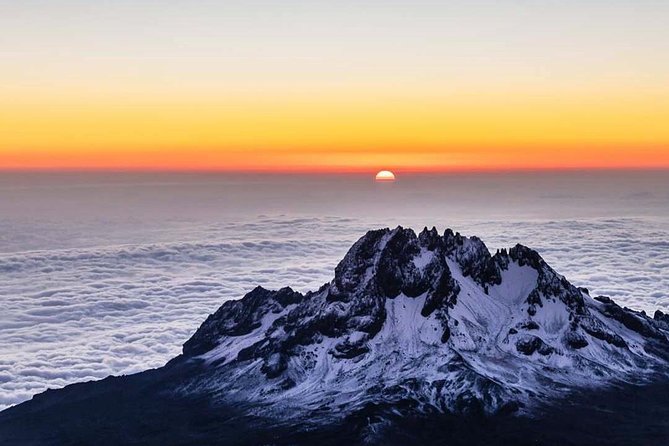
Africa’s highest summit demands patience. The seven-day Machame climb gives you a scenic route up Kilimanjaro, gradual altitude changes, tented camps, and a better acclimatization schedule than the shorter six-day version. Known as the Whiskey Route, Machame approaches the summit from the east and descends through a different section of the mountain.
I like the route’s climb-high, sleep-low pattern, which gives your body more time to adjust. I also like the strong emphasis on experienced guides, safety, and a successful summit, points repeatedly praised by people who climbed with Kili Footprints. The main drawback is simple: this is a demanding trek, not a casual hike, and the package excludes personal climbing gear, flights, and travel insurance.
The price is $2,800 per person, with pickup offered and a mobile ticket. That is a serious expense, but it covers park fees, camping equipment, crew wages, two hotel nights with breakfast, and meals during the trek. Before paying, I would ask the operator to explain exactly which meals are included, since the supplied package lists four trek meals, which sounds unusually limited for a seven-day climb.
In This Review
- Key points before you book
- Why seven days on Machame is worth considering
- Starting at Machame Gate in Moshi
- Tented camping instead of mountain huts
- The route’s changing scenery and eastern summit approach
- The daily rhythm is slow for a reason
- Guides, safety, and the human side of the climb
- Summit night is the real test
- What the $2,800 price really covers
- Who should choose this Kilimanjaro climb?
- Should you book the Machame 7-day climb?
- FAQ
- How long is the Machame Kilimanjaro climb?
- Where does the climb begin and end?
- Does the Machame route use hotels or tents?
- What is included in the $2,800 price?
- Are flights and personal climbing gear included?
- Is this a private climb?
- What fitness level do I need?
Key points before you book
- Seven days is the smarter Machame choice: The extra day gives you more time for altitude adjustment than the six-day version.
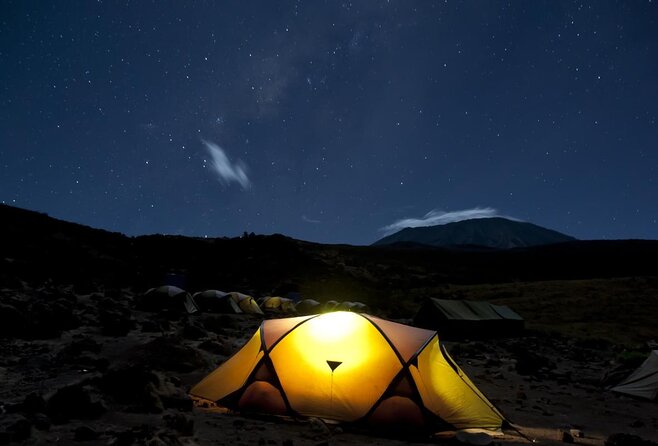
- Machame uses tents only: You do not get mountain huts on this route, so personal comfort depends on the camping setup and your own sleeping gear.
- The route starts at Machame Gate: You climb from Kilimanjaro’s southern base, approach the summit from the east, and finish at Mweka Gate.
- Guides receive strong praise: Jackson and the wider team are repeatedly associated with careful planning, safety, flexibility, and successful summit attempts.
- Summit night is the hardest test: Reaching Uhuru Peak around sunrise can mean a long, cold, physically demanding night.
- The package has important exclusions: Flights, insurance, and personal climbing equipment are not included in the $2,800 price.
Why seven days on Machame is worth considering
Machame is popular for good reason. It is one of Kilimanjaro’s more scenic routes, and its gradual shape gives you a better shot at adapting to altitude than a rushed itinerary.
I would choose seven days over six whenever time and budget allow. The extra day does not make the summit easy, but it reduces the temptation to push upward too quickly. On Kilimanjaro, your legs are only part of the problem. Your body also needs time to respond to thinner air, and a slower schedule can make the difference between reaching the summit and turning back.
The route is known for its climb high, sleep low rhythm. In practical terms, you may hike to a higher point during the day, then sleep at a lower camp. That pattern is useful because you gain altitude without spending every night at the highest point you have reached.
Still, no route can guarantee a summit. You need a strong fitness level, and you should be ready for a long summit night, cold conditions, changing weather, and basic camping. The supplied information does not provide a fixed success percentage, so treat the phrase high summit success rate as a reason for optimism, not a promise.
More Kilimanjaro routes and climbs:
- Kilimanjaro climb by Lemosho Route (7-day)
★ 5.0 · 651 reviews - Kilimanjaro climb, Machame Route (7-day)
★ 5.0 · 262 reviews - Kilimanjaro Climbing Lemosho Route 8 Days.
★ 5.0 · 186 reviews
Starting at Machame Gate in Moshi
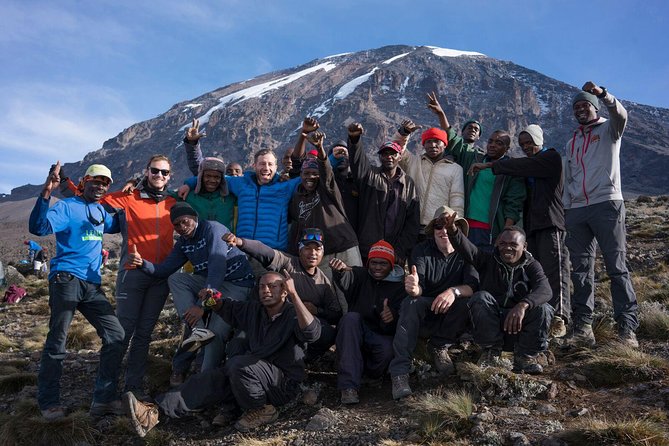
The climb begins from Moshi, Tanzania, with a stated start time of 8:00 am. Pickup is offered, which is useful because the trailhead is outside the town and you do not want to arrange mountain transport at the last minute.
Machame Gate marks the southern base of Kilimanjaro. It is the formal gateway into the national park and the point where your road journey turns into a walking trip. Expect the start of the route to feel more like a transition than a dramatic summit day. You are getting organized, entering the park, and beginning the first section of a long ascent.
The exact walking distance, elevation gain, and camp names are not supplied for this package. I would request those details before departure. A clear day-by-day plan should show where you sleep, how high you climb each day, and how many hours you are expected to walk.
That information also helps you pack properly. You will need personal climbing gear, and it is not included. Ask for a recommended equipment list covering clothing, footwear, sleeping arrangements, rain protection, and headlamps before you arrive in Tanzania.
Tented camping instead of mountain huts
Machame offers tented accommodation only. That gives the route a more traditional mountain feel, but it also means you need to be comfortable with basic conditions for several nights.
The package includes camping equipment, so you are not expected to bring an entire expedition camp from home. Even so, the phrase camping equipment does not tell you everything you need to know. Ask whether the package includes a sleeping bag, sleeping mat, dining tent, chairs, tables, luggage protection, and toilet arrangements.
You should also confirm how your belongings are carried and what weight limits apply. The supplied information confirms crew wages are included, but it does not explain porter arrangements or baggage limits. A responsible operator should provide those details in writing.
The hotel portion is more straightforward. Two nights in a midrange hotel on a bed-and-breakfast basis are included. These nights may be used before and after the mountain section, though the exact timing is not stated. That hotel time matters. It gives you a place to sleep before the climb and a chance to recover after coming down.
Do not expect luxury. The value is in having a practical base in Moshi, not in a resort experience. If you prefer a specific hotel standard, ask for the name and location before booking.
The route’s changing scenery and eastern summit approach
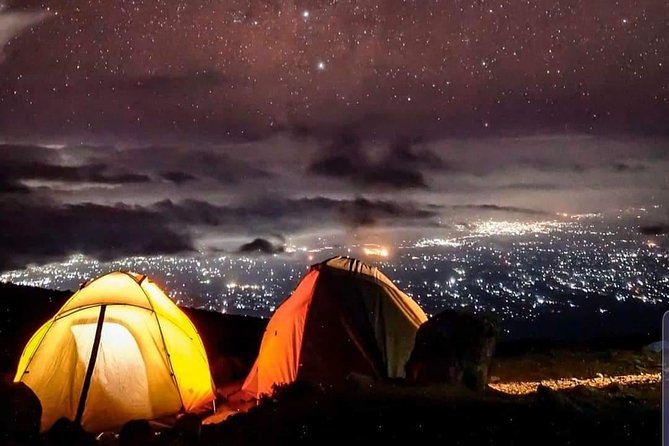
Machame is considered one of Kilimanjaro’s scenic routes. The appeal comes from the changing surroundings as you move upward, rather than from one single viewpoint.
The climb begins at the southern base and eventually makes its summit approach from the east. That route design gives you a sense of crossing the mountain rather than simply walking up and returning along the same track.
You also descend through a different route and finish at Mweka Gate. I like that arrangement because the return journey is not just a repeat of the ascent. It also gives the trip a clear beginning and ending: Machame Gate on the way in, Mweka Gate on the way out.
The supplied information does not name every camp or viewpoint, so I would avoid booking based on a promised list of sights that has not been confirmed. The reliable promise is the broader route experience: southern approach, eastern summit attempt, tent camps, and a separate descent.
A few more trips of this kind worth comparing:
- Climbing Kilimanjaro through 7 days Machame Route
★ 5.0 · 151 reviews - 7 Days Kilimanjaro via Machame route affordable price
★ 5.0 · 110 reviews - Private Kilimanjaro Hike 7 Day Lemosho Route
★ 5.0 · 60 reviews - 7-Day Magical Tanzania Safari -Premium High End Package
★ 5.0 · 53 reviews
The daily rhythm is slow for a reason
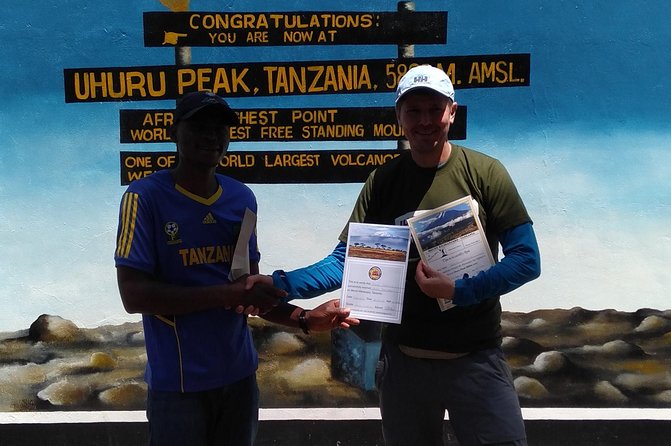
You should expect a steady pace rather than a race. The goal is not to cover ground as quickly as possible. The goal is to keep moving while allowing your body to adjust.
That is where the seven-day format earns its cost. A longer itinerary spreads the effort across more days, creating more room for rest and altitude management. It can also make the experience more enjoyable because you are less likely to spend every waking hour worrying about the next steep section.
The phrase strong physical fitness level should be taken seriously. You do not need to be an elite athlete based on the information provided, but you do need to prepare for sustained walking at altitude. Training should focus on long walks, uphill work, carrying a daypack, and back-to-back days on your feet.
The climb is private, meaning only your group participates. That can be a major advantage. Your pace, questions, and rest needs do not have to fit a large public group. It may also make it easier for the guide team to adjust the day when someone is struggling.
Private does not automatically mean solitary. Your group could include several people, and the crew will still be working as a team around you. Ask about the maximum group size and guide-to-climber ratio.
Guides, safety, and the human side of the climb
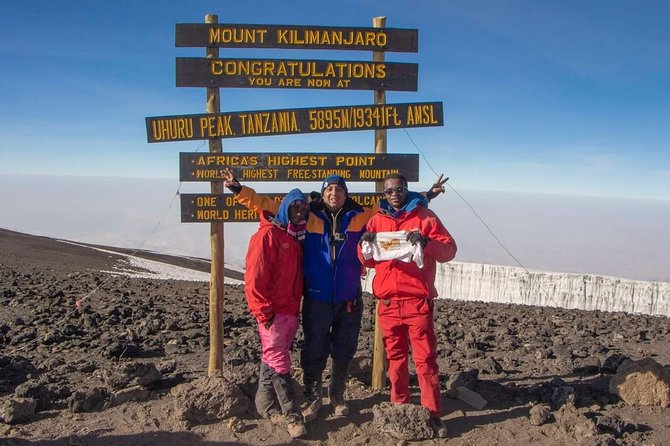
The strongest praise connected with this experience focuses on the guides and crew. People describe the guides as experienced, personable, accommodating, and reassuring. That matters more on Kilimanjaro than polished sales language.
Jackson is repeatedly named in connection with planning and support. One person described prompt replies during the booking process, while another praised his help from airport pickup through the climb. Jackson is also described as having summited Uhuru Peak many times, with one account putting the number at more than 100. That experience can be valuable, especially during the final ascent.
The crew’s role goes beyond pointing out the trail. You need guides who monitor your condition, manage the pace, and make sensible decisions when altitude or weather becomes a concern. One account specifically praised the team for making the trek feel safe and for doing everything possible to improve the chance of a summit.
That said, you should still ask direct safety questions. Confirm how altitude symptoms are handled, what emergency procedures are in place, and how the company responds if you need to descend. The supplied details praise safety, but they do not spell out the medical or evacuation plan.
The crew also includes cooks and support staff. Meals were praised as delicious, and the cook was singled out as a major part of the experience. On a strenuous climb, food is not a minor extra. Warm, filling meals can help you keep walking when motivation starts to fade.
Summit night is the real test
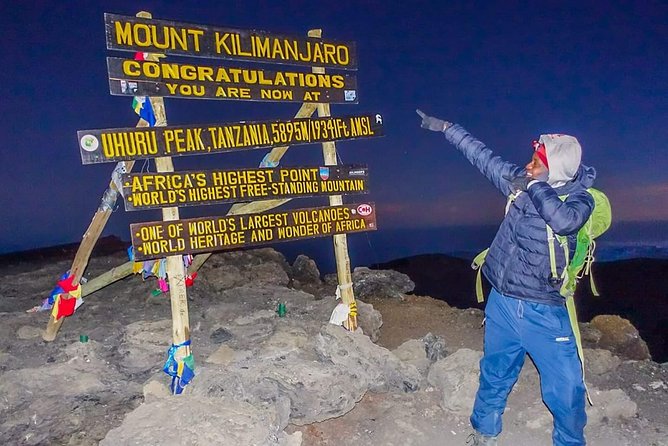
The summit attempt is likely to be the hardest part of the climb. One account describes summit night as challenging but successful, with the group reaching the peak in time for sunrise.
That detail tells you what to expect: an overnight push, cold conditions, darkness, and a final effort that may test your stamina more than any earlier day. Reaching Uhuru Peak around sunrise is an unforgettable goal, but it comes at a cost. You may be tired before the final ascent even begins.
Do not judge your whole climb by how strong you feel on the lower slopes. Altitude changes the experience. You may find that a pace that feels easy near the gate becomes demanding higher up.
The guides’ encouragement can help, but personal preparation still matters. Pack layers, protect your hands and head from the cold, and follow the guide’s pacing instructions. Since personal climbing gear is excluded, you are responsible for arriving properly equipped.
The package details do not specify the summit elevation, summit departure time, or expected hours. Ask for those figures. They are basic planning information, especially if this is your first high-altitude trek.
What the $2,800 price really covers
At $2,800 per person, this is not a budget walk. The price becomes easier to assess once you separate the mountain costs from the travel costs.
Included items are:
- All fees and taxes
- Camping equipment
- Two hotel nights with breakfast
- Crew wages
- Four meals during the trek
- Pickup, according to the tour summary
The inclusion of park fees and crew wages is important. These are central costs, not small add-ons. Camping equipment and two hotel nights also reduce the amount you need to arrange separately.
The price does not include international or local flights, travel insurance, or personal climbing gear. Those exclusions can add a noticeable amount to your total budget. You should also ask whether airport transfers, extra hotel nights, tips, snacks, bottled water, and additional meals are included, since they are not clearly listed.
The biggest question is the meal wording. A seven-day climb normally requires more than four total meals, yet the package specifically says four meals during the trek. That could be a listing error, or it could mean four categories of meals rather than four individual servings. Do not guess. Get a written meal plan before you commit.
For a private trip with experienced guides, camping support, hotel nights, fees, and transport assistance, the price may offer reasonable value. It is only good value if the camping standard, meals, porter arrangements, and safety procedures match your expectations.
Who should choose this Kilimanjaro climb?
I would recommend this route to someone who wants a scenic Kilimanjaro experience and can spare seven days on the mountain. It suits you if you prefer a slower schedule, tented camping, and a private group rather than a fixed large-group departure.
It also suits people who value personal support. The praise for Jackson and the guide team suggests that communication and encouragement are major strengths. If you are nervous about your first high-altitude climb, a responsive operator can make the preparation feel less confusing.
This is not the best match if you want hotel comfort throughout, dislike camping, or have limited time. The six-day option may look attractive on paper, but the seven-day climb is the more sensible choice for acclimatization.
You should also reconsider if you are not prepared to buy or bring proper personal gear. The package does not cover it, and mountain clothing is not an optional detail.
Booking confirmation is provided within 48 hours, subject to availability. Pickup is offered, and the experience is listed as near public transportation, but you should still confirm the precise pickup point and transfer details with Kili Footprints.
Should you book the Machame 7-day climb?
I would book it if your main goal is to give yourself a realistic shot at Uhuru Peak while enjoying one of Kilimanjaro’s more scenic routes. The seven-day schedule, separate descent, tented camps, private format, and strong praise for the guiding team make this a convincing choice.
Before booking, I would ask four questions: What exactly does the four-meal allowance mean? Which two nights are in the hotel? What camping and sleeping equipment is supplied? What is the emergency plan for altitude illness or bad weather?
If the answers are clear, the $2,800 price may be fair for the support provided. If the answers are vague, keep comparing operators. Kilimanjaro is too demanding and too expensive for unclear inclusions.
Free cancellation is available if you cancel at least 24 hours before the 8:00 am start time. Changes made within that period are not accepted, and poor weather may lead to a new date or a full refund. That gives you some flexibility, but travel insurance remains your responsibility.
FAQ
How long is the Machame Kilimanjaro climb?
The experience is listed as approximately seven days, four hours, and 59 minutes. The route information also explains that Machame climbs can take six or seven days, with seven days advised for better acclimatization.
Where does the climb begin and end?
The climb begins at Machame Gate on the southern base of Kilimanjaro. The descent uses a different route and finishes at Mweka Gate.
Does the Machame route use hotels or tents?
The mountain section uses tented accommodation only. The package also includes two nights in a midrange hotel with bed and breakfast.
What is included in the $2,800 price?
The price includes all fees and taxes, camping equipment, crew wages, two hotel nights with breakfast, four meals during the trek, and pickup is offered. Confirm the meal details before booking.
Are flights and personal climbing gear included?
No. International and local flights, travel insurance, and personal climbing gear are not included.
Is this a private climb?
Yes. Only your group participates in this private tour or activity.
What fitness level do I need?
The experience requires a strong physical fitness level. The route includes several days of climbing at altitude and a challenging summit attempt, so you should prepare for sustained physical effort.
Just added around Moshi
- Moshi: Lake Chala Tour: Hiking &/or Kayaking★ 4.5 · 3 reviews
- 3 Days Tanga Exclusive Beach Holiday★ 5.0 · 3 reviews
- Serengeti Wildebeest Migration.★ 5.0 · 3 reviews
- Chemka Hotpsrings E-Bike Day Trip★ 5.0 · 3 reviews
- Explore 1 day Ngorongoro Crater Budget Group Safari from Arusha★ 5.0 · 3 reviews
- Explore the 360° of Kilimanjaro★ 5.0 · 3 reviews
- Affordable Short Tanzania Safari (2 Days Camping Safari)★ 5.0 · 3 reviews
- Rongai Route 7 Days★ 5.0 · 3 reviews
Kilimanjaro Treks, compared.



8-Day Small-group Lemosho Kilimanjaro Summit Trekking
Read our review →


Climbing Kilimanjaro through 7 days Machame Route
Read our review →

Browse the lists this tour appears in