
Reviewed · KILIMANJARO TREKS
6-Day Private Guided Machame Hike Tour at Kilimanjaro
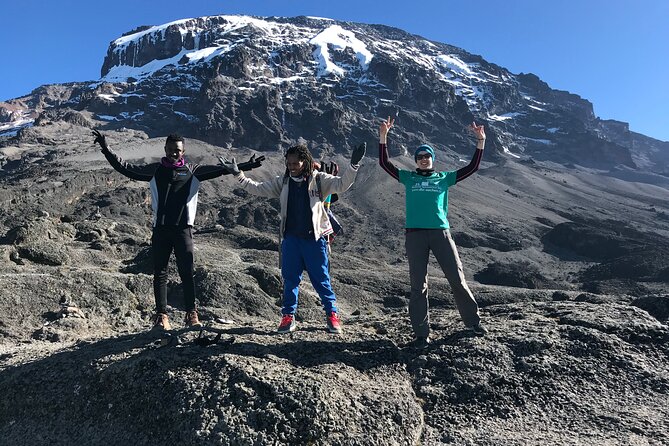
The mountain gets serious fast. This six-day private climb from Moshi follows the Machame Route through rainforest, giant heathers, high volcanic slopes, Barranco Wall, and the summit of Kilimanjaro. I like the company’s attention to gear checks and staff welfare, and I also like the personal care shown by guides such as Martin, Jackson, and Steward. The main caution is simple: this is a demanding high-altitude climb, not a casual walking holiday.
The $2,000 price includes five breakfasts, five lunches, and five dinners, along with guiding, porters, park access, and transport connected with the climb. You must provide or arrange your personal hiking equipment, and you need strong physical fitness. Since this is a private activity, only your own group takes part, which gives you more control over pace, questions, and daily decisions.
In This Review
- Key points at a glance
- Why the Machame Route makes a strong six-day climb
- Before the trail: meeting Peter and checking your gear
- Day one: rainforest from Machame Gate
- Day two: dusty ridges and the first giant senecias
- Day three: Lava Tower and the descent to Barranco
- Day four: the Barranco Wall and exposed Barafu Camp
- Day five: Stella Point, sunrise, and Uhuru Peak
- Day six: the Mweka descent and summit certificates
- What the $2,000 price really covers
- Food, support, and the human side of the climb
- Who should book this private Kilimanjaro climb?
- Should you book the six-day Machame hike?
- FAQ
- Where does the tour begin?
- Is this a private tour?
- How long is the Machame hike?
- What meals are included?
- Is personal hiking equipment included?
- Do I need to be physically fit?
- When does the summit attempt begin?
- How high is Uhuru Peak?
- What happens at Mweka Gate?
- Can I cancel for a full refund?
- What happens if bad weather cancels the climb?
- Is mobile ticketing available?
Key points at a glance
- Private support from Moshi: Pickup is offered from your accommodation, and only your group participates.
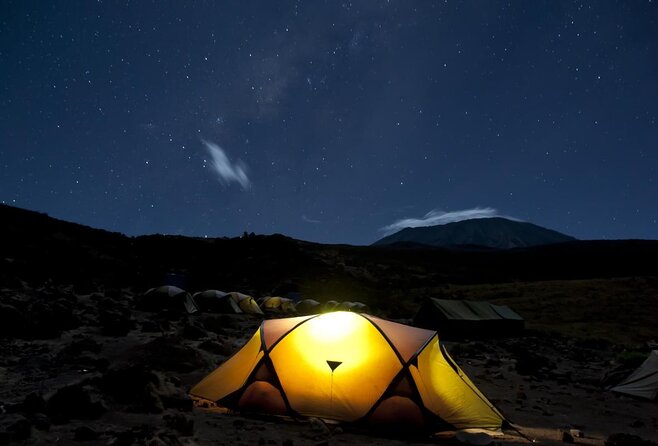
- A full Machame Route crossing: You move from rainforest to exposed high-altitude camps, then descend through Mweka.
- Gear is checked before departure: Staff inspect your equipment and help identify missing items before the climb begins.
- A carefully timed summit attempt: The final push starts between midnight and 2 a.m., reaching Stella Point and then Uhuru Peak.
- Meals are included for five days: Breakfast, lunch, and dinner are provided during the six-day schedule.
- A socially minded local operator: The company says its profits help send a child to school and that guides and porters are paid well.
Why the Machame Route makes a strong six-day climb
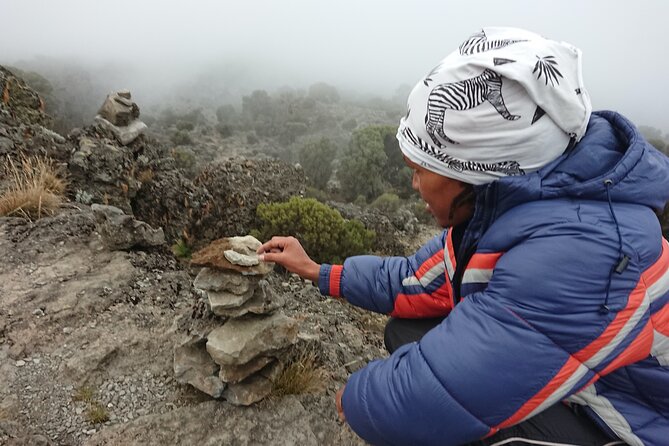
Machame is a good choice if you want changing scenery rather than a single long forest path. The route begins in thick rainforest and giant heather, then moves into bare, rocky country with little shade. Later, you cross volcanic terrain near Lava Tower, sleep below Barranco Wall, and finish on cold, exposed slopes near the summit.
The six-day schedule is active and demanding because it combines long walking days with a rapid gain in elevation. Day two, in particular, is described as a slow hike over short, steep, dusty trails with many breaks. That slower pace matters. At altitude, steady progress and time to adjust are more useful than racing ahead.
This route also gives you a memorable sense of Kilimanjaro’s changing character. Early forest feels enclosed and wet. Higher up, the scenery becomes spare and dramatic, with giant senecias, ridges, glaciers, boulders, and open sky. By the time you reach Barafu Camp, comfort has largely given way to the practical business of preparing for the summit.
A six-day climb leaves less time for acclimatization than longer Kilimanjaro routes. The schedule does include deliberate breaks and a high point at Lava Tower followed by a descent to Barranco Camp, which helps your body adjust. Still, altitude remains the largest challenge, and you should take the company’s strong-fitness requirement seriously.
More Private Tours in Moshi
- Private Kilimanjaro Hike 7 Day Lemosho Route
★ 5.0 · 60 reviews - Private Tour to Materuni waterfalls, coffee tour & Kikuletwa hot- springs
★ 5.0 · 49 reviews - 4 Day Private Tour Throughout Tarangire, Serengeti and Ngorongoro
★ 5.0 · 42 reviews
Before the trail: meeting Peter and checking your gear
The preparation meeting is one of the strongest parts of this climb. Peter arranges a briefing with your guide before departure, and guides including Martin or Jackson explain the schedule, answer questions, and inspect your equipment. That gives you a chance to learn about the route before you are standing at the park gate with your pack.
The gear check is more than a formality. Personal equipment is not included, and missing warm clothing or useful utensils can become a real problem at altitude. Jackson has helped borrow missing clothing and utensils before a climb, while other pre-trip briefings have focused on making sure hikers understand the daily plan.
I would use this meeting to confirm exactly what you have, what the company supplies, and what still needs attention. The supplied information does not give a full equipment list, so you should not assume that items such as boots, warm layers, or other personal hiking gear are covered by the $2,000 price.
The company also says it checks staff equipment, not just yours. That is an encouraging sign because guides and porters face the same cold, rain, wind, and rough ground. It also says guides, porters, cooks, and other staff are paid well. The company’s social program, which directs climbing profits toward sending a child to school, adds a useful ethical reason to consider a locally owned operator.
Day one: rainforest from Machame Gate
Pickup from your accommodation takes you to Machame Gate, where registration comes first. You meet the rest of the crew there, then begin walking through rainforest and giant heather toward the first overnight camp.
The day is listed at about six hours of hiking, though the overall schedule allows much longer for transport, registration, and camp arrangements. Expect a wet, shaded start compared with the open terrain higher up. The forest gives you a gentle visual introduction to the mountain, but the trail still requires real effort, especially if rain makes the ground slippery.
This is where a private guide can help set a sensible rhythm. You should avoid treating the first day like a race. The goal is to arrive with energy left, settle into camp, eat, and prepare for the next morning.
Breakfast, lunch, and dinner are included as part of the five-meal-day package. The food has received especially warm praise, with one account describing hot meals three times a day and another calling the food great. That matters on a climb where appetite, warmth, and routine can make a major difference.
Day two: dusty ridges and the first giant senecias
Day two brings short, steep, rocky, and dusty trails. Much of the route has little vegetation and little shade, so the sun and heat can feel more direct than in the rainforest.
The pace is intentionally slow, with frequent breaks and time to acclimatize. You cross several ridges and begin seeing the first senecias, distinctive high-elevation plants that make the upper route feel unlike an ordinary mountain walk.
This day may look modest on paper, but the long schedule and steep ground can make it tiring. The description allows about six hours of hiking, while the overall day is much longer. That gap is a reminder that camp routines, meals, rest stops, and altitude management occupy a large part of a Kilimanjaro day.
Bring patience. A private group can sometimes move efficiently, but the mountain still sets the rules. If you feel unwell, tell your guide early rather than trying to hide symptoms and preserve your pride.
More Kilimanjaro routes and climbs:
- Kilimanjaro climb by Lemosho Route (7-day)
★ 5.0 · 651 reviews - Kilimanjaro climb, Machame Route (7-day)
★ 5.0 · 262 reviews - Kilimanjaro Climbing Lemosho Route 8 Days.
★ 5.0 · 186 reviews - Climbing Kilimanjaro – Machame Route
★ 5.0 · 170 reviews
Day three: Lava Tower and the descent to Barranco
Day three begins with boulders and a steady climb toward Lava Tower. Lunch is planned around midday, and hikers interested in doing so may climb the tower, listed at 14,850 feet.
You might notice a mild headache as the altitude rises. That warning should be treated seriously, not as a challenge to ignore. The route then drops for about two hours over dusty, rocky trails to Barranco Camp at 13,000 feet.
That climb high and sleep lower is one of the most useful parts of this schedule. You get a chance to experience greater elevation during the day, then rest at a lower camp. It does not remove the risks of altitude, but it gives your body some help.
Barranco is also a visual turning point. You are close to the imposing Barranco Wall, and the volcanic terrain feels much more severe than the forest below. The walking day is listed at about six hours, but the physical effort is likely to feel greater because of the uphill work and altitude.
Day four: the Barranco Wall and exposed Barafu Camp
Barranco Wall looks intimidating when you first see it. The route up can appear harder than it proves to be, but you still need to use care on the rocky sections and follow your guide’s instructions.
After topping out below the Heim Glacier, you continue toward Barafu Camp. The views here show why the Machame Route is so rewarding: glaciers, high volcanic ridges, and a broad sense of Kilimanjaro’s scale open around you.
Barafu means ice in Swahili, and the camp is described as bleak, exposed, and inhospitable. Tents sit on a narrow, stony ridge in the path of frequent strong winds. You should become familiar with the ground before dark, since moving around on uneven rock is harder when you are tired and visibility is poor.
This is not the night for a leisurely camp stroll. Eat, drink what you can, organize your summit clothing, and rest. The summit attempt begins very early, between midnight and 2 a.m., so the practical work done before bed can save valuable time and energy later.
Day five: Stella Point, sunrise, and Uhuru Peak
The summit push is the hardest part of the climb, both physically and mentally. You leave between midnight and 2 a.m. and ascend toward Stella Point between the Rebmann and Ratzel glaciers.
The route climbs toward the crater rim in a northwesterly direction. At Stella Point, listed at about 5,700 meters in the schedule, you take a short rest and may see sunrise if the weather cooperates. Another elevation is also given for Stella Point, 5,739 meters, so the exact figure varies in the supplied details. The important point is that you are very high, cold, and close to the crater rim.
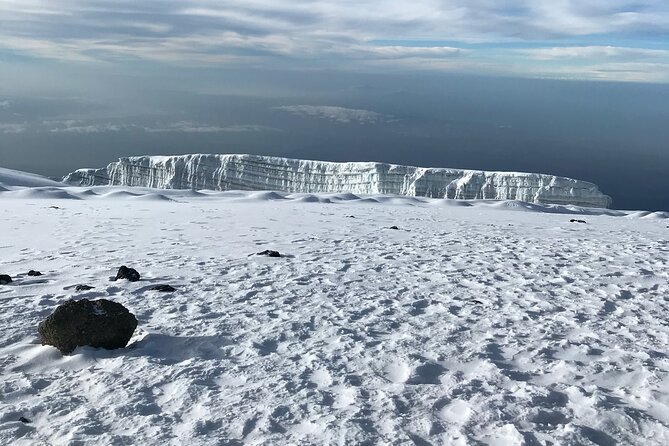
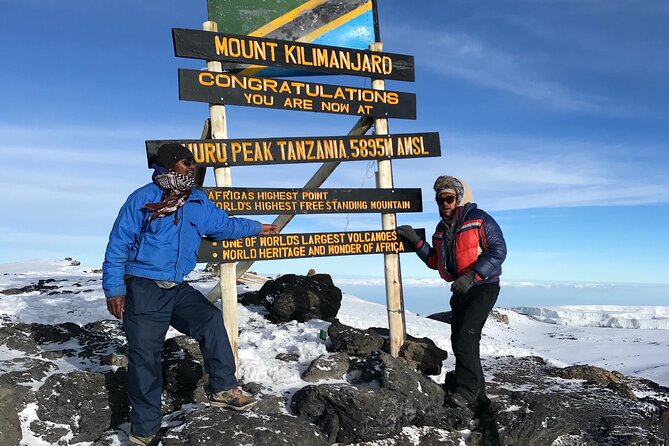
From Stella Point, snow may appear during the roughly one-hour ascent to Uhuru Peak. At 5,895 meters, Uhuru is the highest point on Kilimanjaro and in Africa. Faster hikers may reach the summit around sunrise, while others see the light from Stella Point before continuing upward.
The supplied schedule shows only seven minutes for this stop, which is clearly not a useful measure of the whole summit day. In practical terms, you should think of day five as the central physical test of the climb, followed by a descent and recovery period. The exact duration depends on your pace, conditions, and how your body responds to the altitude.
This is where the guide relationship matters most. Martin, Jackson, and Steward are among the names connected with the operation, and the strongest praise focuses on attentive support from the guide, cook, waiter, and porter team. Good care cannot replace fitness or acclimatization, but it can help you make sensible decisions when you are cold, tired, or discouraged.
Day six: the Mweka descent and summit certificates
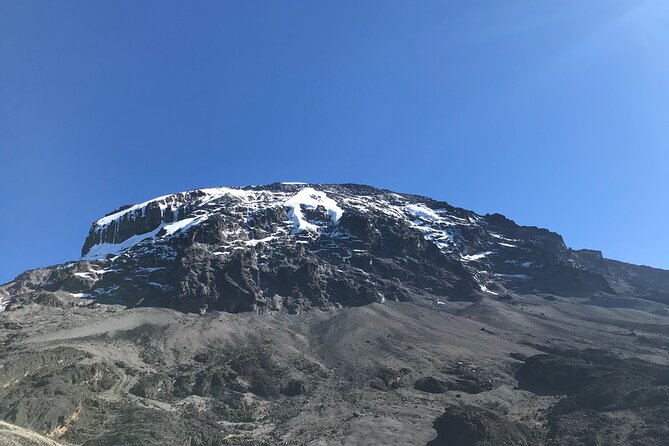
After breakfast, you begin the four-to-six-hour descent toward the park gate. The route is described as scenic, but downhill walking has its own cost. Knee problems can make the descent take longer, so you should not assume that reaching the summit means the hard work is finished.
At Mweka Gate, you sign the register and receive your certificate if you reached the summit. Climbers who reach Stella Point receive green certificates, while those who reach Uhuru Peak receive gold certificates. A vehicle then meets you at Mweka Village and returns you to your accommodation.
One practical instruction deserves attention: do not pay porter tips until you and all your equipment have reached the gate safely. This is sensible advice for any climb involving a large support team and a final transfer.
The descent is also the point where the six-day structure catches up with you. You may be proud, sore, hungry, and ready for a shower all at once. The included meals end after five breakfasts, lunches, and dinners, so check how your final meal and accommodation arrangements fit around the return transfer.
What the $2,000 price really covers
At $2,000 per person, this is not a bargain trek, but price alone does not tell you much about a Kilimanjaro climb. You are paying for a private six-day operation with a guide, porters, food, park access, pre-climb support, and transportation connected with the route.
The value is strongest if you want direct attention rather than a large shared group. You can ask questions freely, discuss pace with your guide, and receive help based on your group’s condition. Group discounts may also be available, though the amount is not specified.
The price does not include personal hiking equipment. That can affect your final budget considerably, depending on what you already own or can borrow. The company’s pre-climb inspection and help with missing clothing may reduce some stress, but you should confirm all equipment arrangements before booking.
Staff pay and welfare also matter to the price. A lower-cost climb is not automatically better value if it depends on poor treatment of porters or weak preparation. This company says it pays staff well, checks their gear, and directs part of its climbing profit toward a child’s education. Those commitments give the cost a wider purpose, though you should still ask for clear details before making your choice.
Food, support, and the human side of the climb
The food receives some of the warmest praise connected with this experience. You receive breakfast, lunch, and dinner for five days, and the food has been described as hot and consistently good.
Meals matter because the route asks you to walk for hours, sleep at altitude, and wake before dawn for the summit. You should still tell the company about dietary needs before departure, since the supplied information does not explain how special diets are handled.
The support crew includes guides, porters, a cook, and a waiter. That level of help allows you to focus more on walking and less on camp logistics. It also creates a more personal experience, especially on a private climb where you spend the full route with the same small team.
The company’s local ownership is another positive. You are booking with a Moshi-based operator that says it has years of experience and is certified and licensed. Those claims are encouraging, but I would still verify current licensing and ask for a clear breakdown of staff roles, included equipment, and tipping expectations.
Who should book this private Kilimanjaro climb?
I would recommend this tour to a fit hiker who wants a private group, direct guide support, changing scenery, and a clearly organized six-day route. It is also a good fit if you value a locally owned company and want your spending to support staff welfare and a school-related social project.
You should think twice if you have little hiking experience, dislike early starts, or expect a relaxed holiday. The trail includes steep rocky sections, dusty ridges, cold exposed camps, a midnight summit start, and a long descent. Strong physical fitness is specifically required.
This climb may suit a group of friends or family members who want to share a major challenge without joining strangers. It may be less suitable if your group has very different fitness levels, since the six-day schedule leaves limited room for delays.
Booking is also more sensible if you arrive prepared for variable weather. The experience requires good weather, and poor conditions can lead to a new date or a full refund. Free cancellation is available up to 24 hours before the start time, while late cancellations and late changes are not accepted.
Should you book the six-day Machame hike?
I would book this tour if the private format, strong support crew, gear inspection, and local social commitments matter to you. The combination of rainforest, Lava Tower, Barranco Wall, Barafu Camp, and Uhuru Peak gives you a varied and memorable route in only six days.
I would not choose it without first checking my equipment, fitness, summit expectations, and tolerance for altitude. Ask how the private group will handle a slower hiker, confirm what personal gear you must supply, and clarify any meal or tipping questions.
For a prepared hiker who wants careful organization and personal attention, this is a solid Kilimanjaro option. Just remember that the company can guide and support you, but no operator can make the summit easy.
FAQ
Where does the tour begin?
The tour begins with pickup from your accommodation in Moshi, followed by a drive to Machame Gate for registration.
Is this a private tour?
Yes. Only your group participates in the activity.
How long is the Machame hike?
The scheduled duration is six days, with daily hiking times varying by route section and conditions.
What meals are included?
Five breakfasts, five lunches, and five dinners are included.
Is personal hiking equipment included?
No. Personal equipment such as hiking gear is not included.
Do I need to be physically fit?
Yes. The tour information says participants should have a strong physical fitness level.
When does the summit attempt begin?
The summit attempt starts very early, between midnight and 2 a.m.
How high is Uhuru Peak?
Uhuru Peak is listed at 5,895 meters.
What happens at Mweka Gate?
You sign the register and receive a summit certificate if you reached Stella Point or Uhuru Peak. A vehicle then takes you from Mweka Village back to your accommodation.
Can I cancel for a full refund?
Yes, if you cancel at least 24 hours before the experience start time. Cancellations made less than 24 hours before the start are not refunded.
What happens if bad weather cancels the climb?
You are offered a different date or a full refund if the experience is canceled because of poor weather.
Is mobile ticketing available?
Yes, a mobile ticket is offered.
More 6-Day Experiences
- Kilimanjaro climb, Lemosho Route (6-day)
★ 5.0 · 129 reviews - Kilimanjaro climb, Marangu route (6-day)
★ 5.0 · 72 reviews - 6 Days 5 Night Safari
★ 5.0 · 57 reviews - 6 Days Tanzania Classic Safari
★ 5.0 · 52 reviews
More Hiking & Trekking
- Best Kilimanjaro hiking day trip tour with Kilinge Adventures
★ 4.5 · 54 reviews - #1. Best Kilimanjaro Day hike Tour-Machame Route-ISMANI
★ 4.2 · 47 reviews - Best Kilimanjaro Adventure 7 days Machame route Trekking
★ 5.0 · 42 reviews - Kilimanjaro 7 Day Private Trekking Experience
★ 5.0 · 40 reviews
Just added around Moshi
- Moshi: Lake Chala Tour: Hiking &/or Kayaking★ 4.5 · 3 reviews
- 3 Days Tanga Exclusive Beach Holiday★ 5.0 · 3 reviews
- Serengeti Wildebeest Migration.★ 5.0 · 3 reviews
- Chemka Hotpsrings E-Bike Day Trip★ 5.0 · 3 reviews
- Explore 1 day Ngorongoro Crater Budget Group Safari from Arusha★ 5.0 · 3 reviews
- Explore the 360° of Kilimanjaro★ 5.0 · 3 reviews
- Affordable Short Tanzania Safari (2 Days Camping Safari)★ 5.0 · 3 reviews
- Rongai Route 7 Days★ 5.0 · 3 reviews
Kilimanjaro Treks, compared.



8-Day Small-group Lemosho Kilimanjaro Summit Trekking
Read our review →


Climbing Kilimanjaro through 7 days Machame Route
Read our review →

Browse the lists this tour appears in