
Reviewed · KILIMANJARO TREKS
7 Days Kilimanjaro Climbing | Hiking Tour via the Lemosho Route
Africa’s highest peak demands patience, not bravado. This seven-day Kilimanjaro climb follows the Lemosho Route from Moshi through forest, moorland, the Shira Plateau, and the high volcanic slopes toward Uhuru Peak. I like the included tents, meals, park fees, and transfers, which make the $965 price easier to understand. I also like the gradual route profile, with a climb to Lava Tower before descending to Barranco Camp for acclimatization.
The main caution is the pace. Seven days is workable, but it leaves little spare time if altitude sickness slows you down. The summit night is cold, tiring, and long, and the schedule should be confirmed carefully because the pickup information gives both 8:30 a.m. and 10 to 10:30 a.m. as possible start times.
In This Review
- Key points to know before booking
- What the $965 price really covers
- Day 1: Londorosi Gate to Big Tree Camp
- Day 2: From rainforest to Shira Camp
- Day 3: Lava Tower and the Shira Plateau
- Day 4: The Barranco Wall and Karanga Valley
- Day 5: The short, hard walk to Barafu Camp
- Day 6: Uhuru Peak and the hardest hours
- Day 7: Mweka Gate and the return to Moshi
- The guides, cooks, and porters
- What to pack, and what not to forget
- Who should choose this seven-day climb?
- Booking details and cancellation
- Should you book the Lemosho Route?
- FAQ
- Where does the Kilimanjaro climb start?
- How long is the tour?
- Is camping gear included?
- Are meals included?
- What is not included in the price?
- Can I cancel for a full refund?
Key points to know before booking
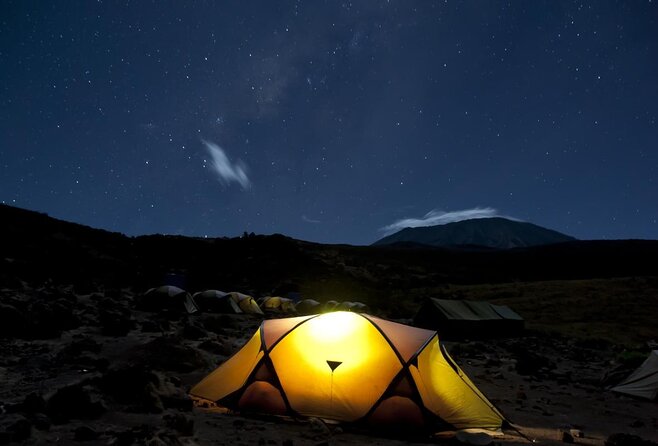
- Lemosho gives you varied scenery: Expect rainforest, colobus monkeys, savannah, moorland, giant heather, the Shira Plateau, volcanic rock, and high alpine desert.
- Lava Tower helps with acclimatization: Day three takes you up to 4,640 meters before dropping to Barranco Camp at 3,960 meters.
- The summit night is the real test: From Barafu Camp, you may begin around 11 p.m. or midnight, with six to seven hours planned to Uhuru Peak.
- Camping gear and meals are included: Tents, breakfast, lunch, and dinner are covered, helping you keep your personal luggage lighter.
- The support team matters here: Guides, porters, and cooks are part of the package, and the strongest praise goes to their care, organization, and steady support.
- The price covers the mountain basics, not everything: Tips, visas, insurance, flights, airport pickup, and one hotel night before the trek cost extra.
What the $965 price really covers
At $965 per person, this is not simply a walking tour with a guide. The price includes park fees and taxes, guiding, camping arrangements, meals, and transfers connected with the climb. Tents are supplied, and the meal plan covers six breakfasts, seven lunches, and six dinners.
That combination gives you useful value. Kilimanjaro requires a support crew, food transport, park access, sleeping equipment, and movement between trailheads. Paying for those items separately would make the trip harder to organize, even before you consider your hotel and transport costs.
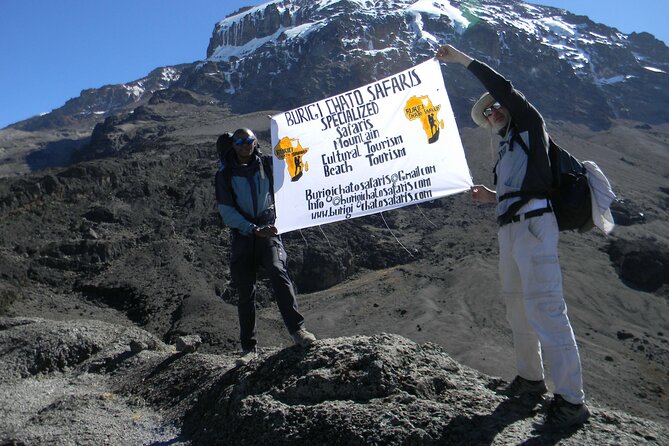
You still need to budget for tips for the guide and support crew, visas, medical and travel insurance, international or local flights, airport pickup, and one hotel night before the tour. The meeting point is in Shanty town, Moshi, at the Burigi Chato Safaris office on Mkwawa Street.
The booking information says pickup is offered, but the listed start point is also specific. Confirm the exact pickup arrangement and departure time before you arrive. One section gives 8:30 a.m., while the first day describes collection around 10 to 10:30 a.m. That is a small detail with a big practical effect on breakfast and morning plans.
The activity can accept a maximum of 500 people, though your own climbing group may be much smaller. Ask how your group will be formed, how many people will share a guide, and what happens if someone needs to descend.
More Kilimanjaro routes and climbs:
- Kilimanjaro climb by Lemosho Route (7-day)
★ 5.0 · 651 reviews - Kilimanjaro climb, Machame Route (7-day)
★ 5.0 · 262 reviews - Kilimanjaro Climbing Lemosho Route 8 Days.
★ 5.0 · 186 reviews
Day 1: Londorosi Gate to Big Tree Camp
After breakfast at your inn or hotel, the driver collects you and the rest of the group for the journey to Londorosi Gate. The route includes stops to buy fresh food, and you have a chance to visit a shop if you forgot something.
At Londorosi, park registration takes place. You eat lunch before continuing by vehicle to Lemosho Gate, the true starting point of the hike. This means the first day is not seven hours of walking. It includes a long transfer and park formalities, followed by about four hours on foot.
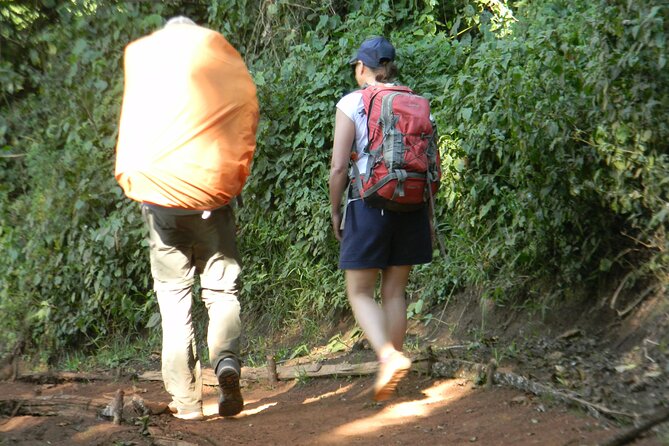
The trail enters thick rainforest, where black-and-white colobus monkeys may appear in the trees. That wildlife possibility gives the opening day a pleasant sense of arrival. The path continues through lush forest to Big Tree, also called Mti Mkubwa, where the crew prepares dinner and you spend the night.
This is a sensible first day because the walking begins gently. Still, bring water and a small snack in your daypack. Delays at the gates or during the food stop can make the day feel longer than the stated hiking time.
Day 2: From rainforest to Shira Camp
The second day covers about eight kilometers and takes roughly six hours. You leave the tropical forest behind and move through savannah and rougher ground, crossing several streams along the way.
The change in scenery is one of Lemosho’s rewards. You begin in dense greenery, then gradually reach more open country with broader views and fewer trees. The route first reaches Shira Camp 1, where you stop for lunch, then continues toward Shira Camp 2 for the night.
The Shira area is known for its views toward Kibo, Kilimanjaro’s main volcanic cone. Take time to look back and around you here. The mountain can feel distant at first, and this is where its size starts to become clear.
The walk is not extremely long on paper, but altitude changes how your body handles ordinary effort. Keep your pace slow. The useful rule on Kilimanjaro is to let the guide set the rhythm rather than trying to prove you can walk faster.
Day 3: Lava Tower and the Shira Plateau
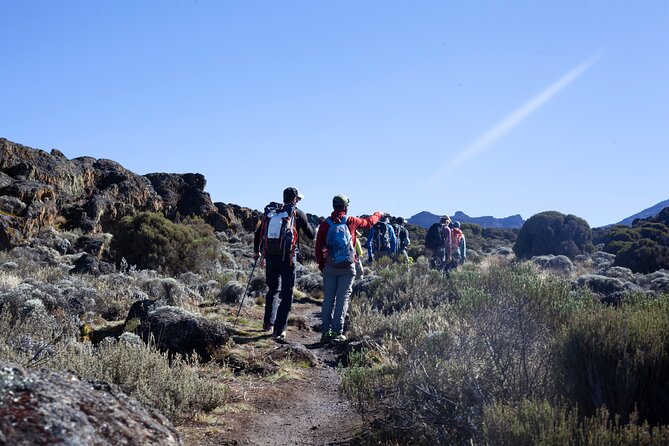
Day three is one of the most important days in the schedule. You cross moorland and giant heather before reaching the Shira Plateau, described as one of the longest high plateaus in the world.
The trail then rises to Lava Tower at 4,640 meters. You eat lunch at this high point before walking down to Barranco Camp at 3,960 meters. This up-and-down pattern is valuable because it lets you spend time at a higher altitude, then sleep lower than the highest point reached during the day.
The descent brings views of giant Senecio kilimanjari plants, distinctive high-altitude vegetation with thick trunks and broad leaves. Barranco Camp offers wide open views and a dramatic setting below the mountain’s upper slopes.
The day is listed at about five hours, but altitude can make it feel demanding. If you develop a headache, nausea, unusual fatigue, or breathing trouble, tell the guide early. The itinerary does not promise that every climber will summit. One person in the group described reaching altitude sickness and turning back, while two companions continued to the top. That is not a failure. On this mountain, a safe descent is the correct decision.
A few more trips of this kind worth comparing:
- Private Kilimanjaro Hike 7 Day Lemosho Route
★ 5.0 · 60 reviews - Best Kilimanjaro hiking day trip tour with Kilinge Adventures
★ 4.5 · 54 reviews - #1. Best Kilimanjaro Day hike Tour-Machame Route-ISMANI
★ 4.2 · 47 reviews - Best Kilimanjaro Adventure 7 days Machame route Trekking
★ 5.0 · 42 reviews
Day 4: The Barranco Wall and Karanga Valley
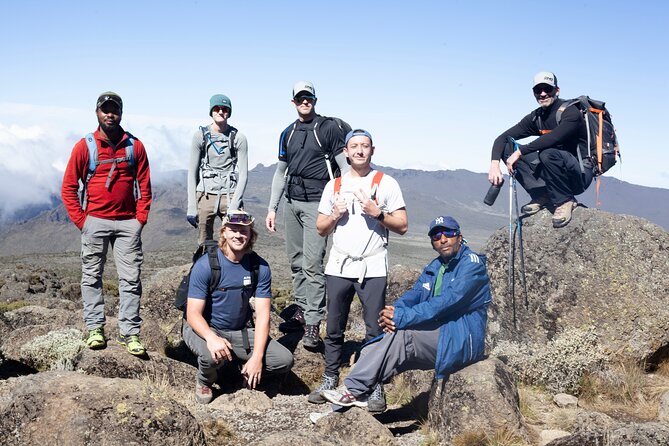
After breakfast, you tackle the Barranco Wall. It is described as technical but not excessively difficult. That means you may use your hands at points and should pay attention to foot placement, but it is not presented as a technical climbing route requiring specialist equipment.
The wall is also tiring and lengthy. Follow the guide’s route and avoid rushing. This section is a good example of why sturdy footwear, gloves, and a small daypack matter. You want your hands free and your balance secure.
Beyond the wall, the trail drops into Karanga Valley at about 3,963 meters. The walk covers roughly five hours, with time to rest, eat, and spend the night at camp.
Karanga is not a glamorous rest stop. Water becomes scarcer as you climb, and mountain camps are basic. But the day gives you a useful break between the Barranco section and the higher Barafu Camp. The support crew prepares meals and helps keep the routine organized, which makes a difference when you are tired.
Day 5: The short, hard walk to Barafu Camp
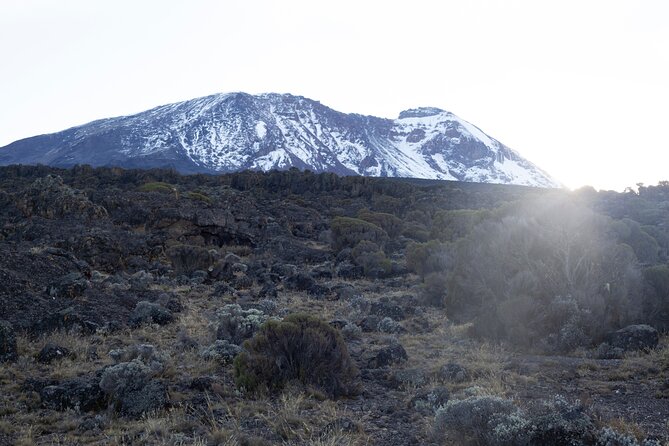
The trail on day five follows a ravine and climbs along a ridge toward Barafu Camp, at about 4,664 meters. The walk is only around three kilometers and takes roughly five hours, but this is a short day in distance only. The altitude and uphill ground make it difficult.
Cairns mark the route, and the best approach is to walk slowly. Barafu means ice in Swahili, and the camp can be very cold. Above 4,000 meters, the vegetation has largely given way to alpine desert, with white-necked ravens the main bird noted around camp.
There is no water stream at this height, and the itinerary specifically warns that there is no water for washing. Prepare mentally for a basic night. Personal wipes, lip balm, moisturizer, warm socks, and a reliable headlamp will be more useful than extra clothing that stays buried in your bag.
You eat an early dinner, then rest before the summit attempt. The climb may begin around 11 p.m. or midnight. Try to organize your clothing and summit equipment before lying down. A few minutes of preparation can save a lot of fumbling when you are cold and sleepy.
Day 6: Uhuru Peak and the hardest hours
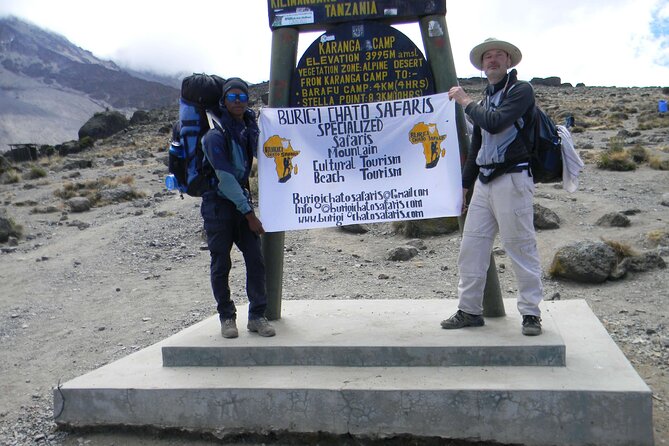
The summit morning begins with coffee and biscuits or cookies. You put on your warmest layers and set out for Uhuru Peak, the highest point in Africa.
The climb from Barafu to the summit is planned to take six to seven hours. The route is slow and demanding, with cold temperatures and thin air making every step count. In June, temperatures at the summit can fall to minus 20 degrees Celsius, according to the tour information, so proper coverage is not optional.
The guide’s instructions are especially important now. Walk slowly, conserve energy, drink as directed, and speak up if you feel ill. The goal is not simply to reach the crater rim or take a photograph. The goal is to reach the highest safe point for your body and return.
If weather allows, the sunrise and views from Uhuru Peak can be extraordinary. Your time at the top will be short because cold and altitude affect everyone. Take your photographs, recognize the achievement, and begin the descent when the guide advises.
The listed day lasts about eight hours, but the description is abbreviated near the end. Confirm exactly where you sleep after the summit and how the descent is arranged. This is one of the most useful questions to ask before paying, since summit-day routines can vary.
Day 7: Mweka Gate and the return to Moshi
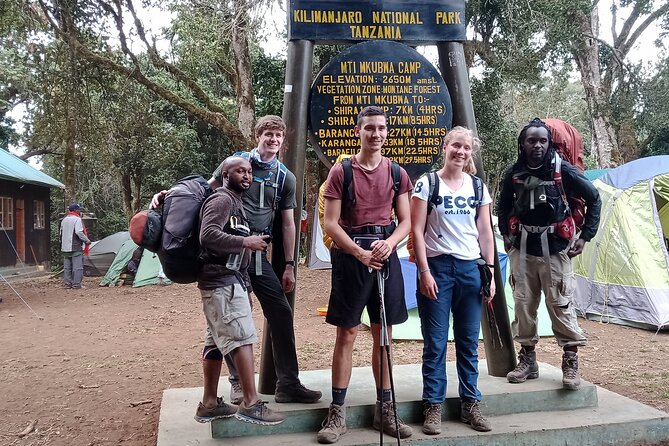
The final morning begins with breakfast before the descent to Mweka Gate. The walking time is listed at about five hours, followed by check-out procedures and the presentation of certificates.
A driver-guide then returns you and the crew to the hotel in Moshi. You may arrange a quick beer celebration with the group, or return to the hotel to prepare for a flight, a Zanzibar trip, or a safari the following day.
The Moshi location makes this tour easy to combine with other northern Tanzania plans. You can use the town as a base before or after the climb, though the package does not include the hotel night before the trek. Additional time in Moshi may also suit you if you want to handle shopping or a city tour after the mountain.
The guides, cooks, and porters
The human support system is one of the strongest parts of this climb. The company director, Geoffrey, is described as responsive when answering questions, and the mountain crew receives repeated praise for organization, care, and commitment.
The guides, porters, and cooks are reported to have kept a positive attitude even when a climber became ill. The cooking team prepares the included meals, while porters carry tents and heavy supplies. That lets you keep your own load manageable, though you should still pack carefully because you carry your personal daypack during the walking hours.
Good support is more than friendly conversation. It means helping with camp routines, watching for altitude problems, setting a safe pace, and keeping food and shelter moving up the mountain. The strongest praise for this trip centers on that practical care.
Tips are not included. Set aside money for the guide and support crew, and ask the operator for current guidance on how tipping is handled.
What to pack, and what not to forget
You can pack lighter because tents are provided, but this is not a light-packing holiday. You need clothing for warm lower slopes, cold nights, and temperatures that may reach minus 20 degrees Celsius near the summit in June.
Useful items include:
- Warm, layered clothing for summit night
- A waterproof outer layer
- Good walking footwear
- Gloves and a warm hat
- Headlamp and spare batteries
- Personal water and snacks for the trail
- Sun protection
- Personal medication and basic toiletries
- Wipes, since washing water is not available at Barafu Camp
The itinerary says meals and supplies are included, but it does not list every personal item supplied. Ask what drinking water, sleeping bags, mattresses, and trekking poles are provided before departure. Tents are specifically included, while other equipment should not be assumed.
Who should choose this seven-day climb?
This route suits you if you want a supported Kilimanjaro climb with varied scenery and a clear seven-day schedule. It is a good fit for someone comfortable with long uphill walks, camping, cold conditions, and simple mountain facilities.
It may not suit you if you want a relaxed holiday, private lodging, or plenty of spare days for weather and altitude problems. The seven-day format offers a reasonable route structure, but it is still a fixed program. Anyone with medical concerns should address them before booking and carry suitable medical and travel insurance.
The tour is also useful for people planning a wider Tanzania trip. Moshi connects naturally with a safari or Zanzibar stay, and the final transfer returns you to town rather than leaving you at an isolated trailhead.
Booking details and cancellation
Confirmation is received at booking, and most people can participate, but you should still discuss fitness, medical concerns, and altitude plans with the operator. Free cancellation is available if you cancel at least 24 hours before the local start time. Cancellations or changes made inside that window are not refunded or accepted.
If poor weather cancels the climb, you are offered a different date or a full refund. Since the summit depends on mountain conditions, that protection is useful.
Should you book the Lemosho Route?
I would consider this tour if you want a strongly supported Kilimanjaro climb at a clear package price and you are comfortable with basic camping. The scenery changes often, the Lava Tower acclimatization day is well placed, and the crew support appears to be the part of the operation that earns the most trust.
Before booking, confirm the pickup time, group size, sleeping arrangements after the summit, drinking water, sleeping equipment, and tipping expectations. If you want extra breathing room for altitude, ask whether a longer itinerary is available. If seven days fits your schedule and you understand the physical demands, this is a practical way to attempt Kilimanjaro without arranging every mountain detail yourself.
FAQ
Where does the Kilimanjaro climb start?
The meeting point is the Burigi Chato Safaris office on Mkwawa Street in Shanty town, Moshi. Pickup is offered, but you should confirm the exact arrangement before the start.
How long is the tour?
The climb lasts seven days, with hiking times listed from about four to eight hours per day depending on the route section.
Is camping gear included?
Tents are provided. The available information does not confirm whether sleeping bags, mattresses, or trekking poles are included, so ask the operator before packing.
Are meals included?
Yes. The package includes six breakfasts, seven lunches, and six dinners.
What is not included in the price?
Tips, visas, medical and travel insurance, local and international flights, airport pickup, and one hotel night before the tour are not included.
Can I cancel for a full refund?
Yes, if you cancel at least 24 hours before the experience start time. If poor weather causes cancellation, you are offered another date or a full refund.
More 7-Day Experiences
- Climbing Kilimanjaro through 7 days Machame Route
★ 5.0 · 151 reviews - 7 Days Kilimanjaro via Machame route affordable price
★ 5.0 · 110 reviews - 7-Day Magical Tanzania Safari -Premium High End Package
★ 5.0 · 53 reviews - 7 Days Machame route – Kilimanjaro
★ 5.0 · 45 reviews
Just added around Moshi
- Moshi: Lake Chala Tour: Hiking &/or Kayaking★ 4.5 · 3 reviews
- 3 Days Tanga Exclusive Beach Holiday★ 5.0 · 3 reviews
- Serengeti Wildebeest Migration.★ 5.0 · 3 reviews
- Chemka Hotpsrings E-Bike Day Trip★ 5.0 · 3 reviews
- Explore 1 day Ngorongoro Crater Budget Group Safari from Arusha★ 5.0 · 3 reviews
- Explore the 360° of Kilimanjaro★ 5.0 · 3 reviews
- Affordable Short Tanzania Safari (2 Days Camping Safari)★ 5.0 · 3 reviews
- Rongai Route 7 Days★ 5.0 · 3 reviews
Kilimanjaro Treks, compared.



8-Day Small-group Lemosho Kilimanjaro Summit Trekking
Read our review →


Climbing Kilimanjaro through 7 days Machame Route
Read our review →

Browse the lists this tour appears in