
Reviewed · KILIMANJARO TREKS
Private Cycle to Kilimanjaro Bike Park Safari
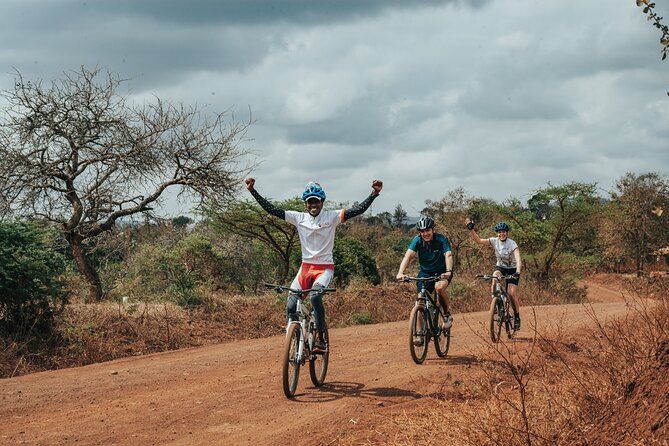
Wildlife can appear around any bend. This private cycling safari takes you across the dry plains of West Kilimanjaro, where Mount Kilimanjaro and Mount Meru frame the ride, and where zebra, giraffe, wildebeest, impala, and eland may appear in the distance. I like the mix of active travel and wildlife watching, and I like that the tour includes a private vehicle, mountain bike, helmet, lunch, a professional English-speaking guide, and two liters of water per person.
The main catch is the effort and the long day. The experience lasts about eight to nine hours, with roughly five hours allocated to the cycling section, and the final part includes a gradual uphill ride on a gravel road. You need moderate fitness and confidence on a bike. Wildlife sightings are never guaranteed, and the $250 price is easier to justify if you value private transport, personal guiding, and a small-group experience over a cheaper, standard game drive.
In This Review
- Key things to know before you book
- From Moshi to the open plains
- Tingatinga and the two-mountain view
- The Kilimanjaro National Park section
- Five hours across dry grassland
- Ngabobo Village and the final gravel climb
- What the $250 price includes
- Maasai culture without losing the cycling focus
- Fitness, bikes, and what to bring
- Who will enjoy this day most
- Booking, timing, and cancellation
- Should you book the Kilimanjaro bike safari?
- FAQ
- Where does the cycling tour begin and end?
- How long does the experience last?
- What wildlife might I see?
- Is this a private tour?
- What is included in the price?
- How fit do I need to be?
- Can I cancel for a full refund?
Key things to know before you book
- The ride crosses West Kilimanjaro plains, moving from the mountain slopes toward Ngabobo Village and Sanya Juu.
- Wildlife may appear beside the cycling route, including zebra, giraffe, wildebeest, impala, and eland.
- Maasai culture is part of the experience, with background about local people and a possible village experience included in the wider operation.
- The tour is private, so only your own group takes part.
- A support vehicle follows the ride, an important comfort if you tire, need help, or want a break from the bike.
- The final section climbs gradually on gravel, so this is not a flat, easy pedal from start to finish.
From Moshi to the open plains
The day begins with pickup in Moshi and private transportation toward West Kilimanjaro. The transfer matters because the ride is not simply a cycle route starting in town. You first leave Moshi behind, then move toward the broad, dry plains below the mountain.
I like this setup because it gives you a clear change of scenery before you even start pedaling. The slopes around Kilimanjaro can feel very different from the open grasslands farther west. During the approach, you may see local people in colorful clothing living along the lower slopes, an early reminder that this is not an empty wilderness. People live, work, and keep cattle here.
The road trip also gives the guide time to explain the area. This is where the cultural side of the outing begins, particularly the history of Maasai communities living on these plains with their cattle. The experience is not just a wildlife ride with a mountain in the background. It connects the open country to the people who use it.
The schedule lists Tingatinga as the first stop, with about an hour set aside for scenery and cultural context. Admission is free. The name refers to the location on the West Kilimanjaro plains, not to a museum or formal attraction in the information provided, so you should think of this stop as a scenic and interpretive pause rather than a major sightseeing site.
More Bike Tours in Moshi
- 1-Day Moshi Villages bike tour
★ 5.0 · 59 reviews - Chagga Villages in Mount Kilimanjaro Cycling Day Trip
★ 5.0 · 42 reviews - Moshi city bike day trip
★ 5.0 · 17 reviews
Tingatinga and the two-mountain view
Tingatinga is where the geography begins to make sense. The plains open up, and views of both Mount Kilimanjaro and Mount Meru accompany the route. That double mountain setting is one of the strongest reasons to choose this outing instead of an ordinary bike ride near Moshi.
Kilimanjaro is the obvious star, but Mount Meru adds depth to the view. Depending on visibility, you may spend much of the morning looking between the two volcanic peaks and the dry grasslands below. The wide horizon gives the ride a real sense of space. You are not pedaling through a crowded town or along a narrow tourist circuit.
The Maasai connection also gives Tingatinga more meaning. You hear about communities living with cattle on these plains, which helps you see the area as a working place as well as a wildlife zone. That context is valuable because the route passes through inhabited areas before reaching the wilder sections.
This stop may feel slow if you are eager to get on the bike. I would not treat that as wasted time, though. The appeal of this experience comes from the full setting, mountains, people, animals, and open country, not from speed or a long list of formal attractions.
The Kilimanjaro National Park section
The itinerary gives two hours to the Kilimanjaro National Park portion. The tour drives toward the West Kilimanjaro plains before the bike ride begins, and the route includes more views of local life on the mountain slopes.
The name can create confusion. This is not presented as a full mountain climb or a conventional park safari by vehicle. The activity is a cycling experience connected with the plains west of Kilimanjaro, followed by a longer ride through dry grassland and villages. Ask for the precise meeting point and riding route when booking if the park label is important to you.
The two-hour segment is useful for easing into the day. You can watch the surroundings change from the greener lower slopes toward a drier, more open setting. It also gives you time to meet the guide, check the bicycle, and understand the plan before the main ride. The supplied details do not specify bike brands, frame sizes, or the exact type of bicycle, so you should communicate your height and any equipment concerns in advance.
The included helmet is a basic but important part of the package. Water is also covered, with two liters per person. Add your own personal items as needed, since those are not included. The tour does include lunch, but the specific menu is not stated.
Five hours across dry grassland
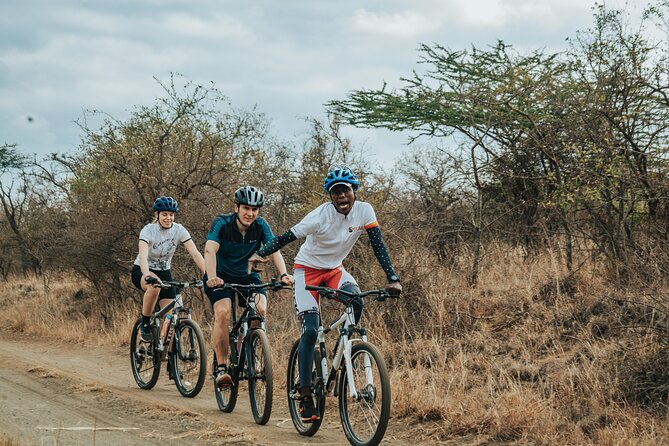
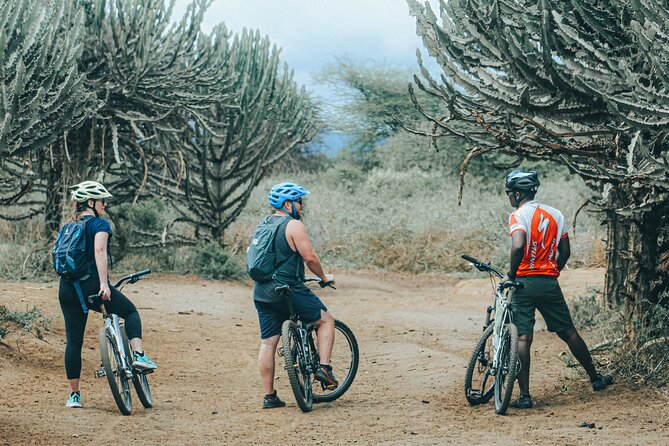
The main cycling section heads south toward Ngabobo Village and the Osiligilai Maasai Lodge area. Here, the surroundings become dry and open, a sharp contrast to the greener slopes of Kilimanjaro. You ride through broad grasslands rather than a closed forest or a paved urban route.
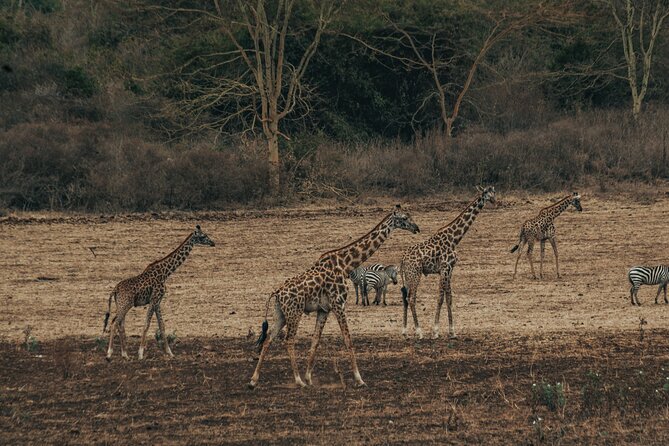
This is the part I find most appealing. A game drive can get you close to wildlife, but a bicycle changes your pace and your attention. You move quietly and slowly, with time to scan the distance. A herd of zebra or wildebeest may be easier to notice because you are not sealed inside a vehicle and rushing between viewpoints.
Still, keep your expectations sensible. The route passes through an area where wildlife such as wildebeest, giraffe, zebra, and eland can be seen, with impala also mentioned as a possible sighting. These are wild animals, not animals placed beside the road for a photo. You may see several species, or you may have a quieter ride focused more on scenery and culture.
One of the strongest points in the cycling operation is the support vehicle. It follows behind the riders, according to the experience details, and provides practical backup throughout the ride. That matters on a five-hour outing. You can be reasonably fit without being an endurance cyclist, but you still need to manage heat, distance, uneven surfaces, and changing grades.
The private format helps here. Your group is not forced to match a large crowd’s pace. You can ask the guide to pause for a wildlife sighting, a photograph, or a rest, subject to the day’s route and conditions. The guide also has a better chance to focus on your comfort and cycling ability.
More Private Tours in Moshi
- Private Kilimanjaro Hike 7 Day Lemosho Route
★ 5.0 · 60 reviews - Private Tour to Materuni waterfalls, coffee tour & Kikuletwa hot- springs
★ 5.0 · 49 reviews - 4 Day Private Tour Throughout Tarangire, Serengeti and Ngorongoro
★ 5.0 · 42 reviews - Kilimanjaro 7 Day Private Trekking Experience
★ 5.0 · 40 reviews
Ngabobo Village and the final gravel climb
The route continues through Ngabobo Village before finishing toward Sanya Juu. This is where the ride combines rural life with the practical challenge of the road. You are not only crossing empty grassland. You are passing through a community and seeing how the plains connect villages, cattle, wildlife, and tourism.
The final section is a gradual ascent on a gravel road. That detail deserves attention. The climb is described as gradual, not extreme, but gravel makes pedaling less predictable than smooth pavement. If you are comfortable on a bike and have moderate fitness, it should be manageable, yet it may feel tiring after several hours in the saddle.
I would not book this as a casual sightseeing spin. You should be confident enough to control a mountain bike on rougher ground and keep riding after a long day. The activity is a better fit for someone who enjoys outdoor effort and does not need every moment to be polished or easy.
At Sanya Juu, the cycling ends and private transport takes you back to your hotel in Moshi. That return transfer is another reason the price has some value. You do not need to arrange a separate vehicle from a remote finish point, and you avoid the hassle of cycling back over the same route.
What the $250 price includes
The price is $250 per person. That is not a budget half-day activity, but the duration and inclusions make it more reasonable than the headline figure first suggests.
You receive private transportation, a mountain bike, a helmet, lunch, two liters of water, all fees and taxes, and a professional English-speaking guide. You also get a private experience for your own group rather than a shared departure. Pickup is offered, which simplifies the start and finish in Moshi.
The most valuable inclusion is the private support structure. A bike, helmet, and water are expected on a serious cycling excursion, but private transport and a vehicle behind the riders provide extra security and comfort. The guide can also help connect the scenery, Maasai culture, wildlife, and route into one experience instead of leaving you to navigate alone.
Tips and personal items are not included. The information does not specify the amount expected for gratuities, meals beyond lunch, or extra equipment, so ask before departure if you want a precise packing and payment plan.
The tour has received a top overall rating from six recorded ratings, and praise has focused on professional service, strong guides, reliable organization, comfortable bikes, and support from the vehicle. Octavian is repeatedly singled out for guiding, driving, organizing, and handling transfers. Roger, Rashid, and Herman are also named positively in connection with cycling and wildlife guiding.
That is useful background, but guide assignments can change. Treat those names as examples of the company’s staff, not a promise that one particular person will lead your trip.
Maasai culture without losing the cycling focus
The cultural element is one of the tour’s best features. You hear about Maasai people living on the plains with their cattle, and the wider cycling operation can arrange a Maasai village experience. This adds human context to the wildlife setting.
The supplied details do not spell out the length or exact format of the village visit for this one-day tour. You should confirm what is included if that part is especially important to you. The safest expectation is cultural background and contact with local life along the route, rather than a long, formal cultural program.
I like that the cultural material appears alongside the cycling rather than being treated as a separate performance. You see the plains as a place where people and animals share space. That makes the day feel more grounded than a ride focused only on collecting wildlife photographs.
Fitness, bikes, and what to bring
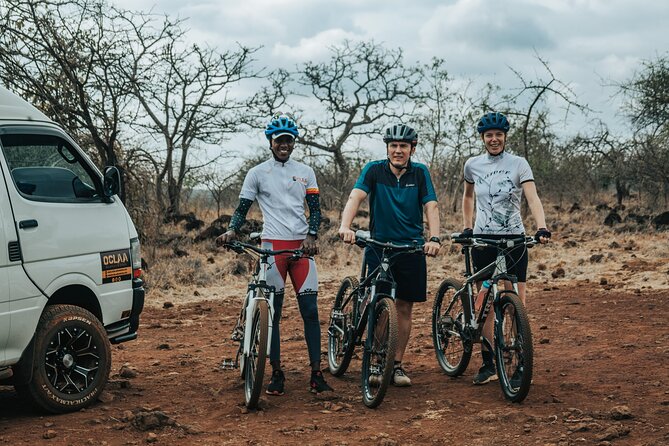
The tour calls for moderate physical fitness. That phrase should be taken seriously, especially because the full outing lasts eight to nine hours and the cycling section can take about five hours.
You do not need to be a competitive cyclist. You do need to feel comfortable on a mountain bike, handle gravel, stay active for several hours, and manage a gradual uphill finish. The support vehicle is reassuring, but it does not remove the need to be prepared.
The package includes a mountain bike and helmet. The equipment has been praised as good and comfortable, but the available information does not give technical specifications. If you have particular needs, ask about bicycle sizing and fit before the day begins.
The tour supplies two liters of water per person and lunch. Bring personal items because they are excluded from the price. You should also plan around the long day, the sun, and the possibility of dust on the plains. The provided details do not list a clothing requirement, so ask the operator for current advice before you go.
Who will enjoy this day most
I would choose this tour if you want an active way to see West Kilimanjaro and prefer a private outing to a standard vehicle safari. It suits confident cyclists who enjoy open spaces, changing surfaces, mountain views, and the possibility of seeing wildlife without a guarantee.
It also works well for people who want cultural context. The Maasai connection, village setting, and local life on the slopes give the route more substance than a simple ride through scenic countryside.
I would hesitate if you want guaranteed close wildlife sightings, a short and gentle ride, or a fixed schedule with little physical effort. The day is long, the route includes gravel and a climb, and nature controls the animal sightings.
Families or mixed-ability groups should think carefully about the private format. A private group can make pacing easier, but every participant still needs to meet the moderate fitness requirement. Ask the operator how the support vehicle can assist if one person needs to stop.
Booking, timing, and cancellation
This experience is commonly booked well ahead, with an average booking lead time of 123 days. That suggests you should reserve early if it is a key part of your Moshi plans, especially if you need a particular date.
Confirmation is received at booking, and pickup is offered. The experience is private, with only your group taking part. You can cancel for a full refund up to 24 hours before the start time. Changes or cancellations inside that 24-hour window are not accepted for a refund, and the cut-off follows local time in Tanzania.
Should you book the Kilimanjaro bike safari?
Book it if you want a full, active day that blends cycling, wildlife, mountain views, Maasai culture, and private support. The strongest reasons are the open West Kilimanjaro setting, the chance to see zebra and giraffe from a bicycle, and the practical organization praised in connection with Octavian, Roger, Rashid, and Herman.
Skip it if your priority is a guaranteed safari sighting or an easy ride. At $250, the value depends on using the private transport, guide, bike, lunch, water, and support vehicle. For a fit visitor who wants something more personal than a standard game drive, this is a memorable and well-supported choice.
FAQ
Where does the cycling tour begin and end?
The day starts with pickup from your hotel in Moshi. The cycling route finishes at Sanya Juu, after which you are transferred back to your hotel.
How long does the experience last?
The full experience takes approximately eight to nine hours. The listed itinerary includes about one hour at Tingatinga, two hours connected with the Kilimanjaro National Park section, and five hours around Osiligilai Maasai Lodge and the cycling route.
What wildlife might I see?
Possible sightings include wildebeest, giraffe, zebra, eland, and impala. Wildlife sightings are not guaranteed.
Is this a private tour?
Yes. Only your own group participates in the activity.
What is included in the price?
The price includes lunch, all fees and taxes, private transportation, a mountain bike, a helmet, two liters of water per person, and a professional English-speaking guide.
How fit do I need to be?
You should have a moderate level of physical fitness, feel confident on a bicycle, and be comfortable with a long day that includes gravel roads and a gradual ascent.
Can I cancel for a full refund?
Yes. You can cancel at least 24 hours before the experience start time for a full refund. Cancellations or changes made less than 24 hours before the start time are not accepted for a refund.
More Kilimanjaro Treks
- Kilimanjaro climb by Lemosho Route (7-day)
★ 5.0 · 651 reviews - Kilimanjaro climb, Machame Route (7-day)
★ 5.0 · 262 reviews - Kilimanjaro Climbing Lemosho Route 8 Days.
★ 5.0 · 186 reviews - Climbing Kilimanjaro – Machame Route
★ 5.0 · 170 reviews
More Safaris in Moshi
- Safari Serengeti And Ngorongoro
★ 5.0 · 288 reviews - Big Five Safari In Tanzania
★ 5.0 · 99 reviews - Unforgettable Tanzania Safari And Zanzibar Beach
★ 5.0 · 97 reviews - 8-Day Essence of Tanzania Safari – Luxury
★ 5.0 · 72 reviews
Just added around Moshi
- Moshi: Lake Chala Tour: Hiking &/or Kayaking★ 4.5 · 3 reviews
- 3 Days Tanga Exclusive Beach Holiday★ 5.0 · 3 reviews
- Serengeti Wildebeest Migration.★ 5.0 · 3 reviews
- Chemka Hotpsrings E-Bike Day Trip★ 5.0 · 3 reviews
- Explore 1 day Ngorongoro Crater Budget Group Safari from Arusha★ 5.0 · 3 reviews
- Explore the 360° of Kilimanjaro★ 5.0 · 3 reviews
- Affordable Short Tanzania Safari (2 Days Camping Safari)★ 5.0 · 3 reviews
- Rongai Route 7 Days★ 5.0 · 3 reviews
Kilimanjaro Treks, compared.



8-Day Small-group Lemosho Kilimanjaro Summit Trekking
Read our review →


Climbing Kilimanjaro through 7 days Machame Route
Read our review →

Browse the lists this tour appears in