
Reviewed · KILIMANJARO TREKS
Lemosho Route
Kilimanjaro rewards patience, not bravado. The Lemosho Route gives you a gradual approach through forest, moorland, volcanic desert, and glacier country before the hard push to Uhuru Peak. I like its slower altitude gain and the extra acclimatization time, both useful advantages on Africa’s highest mountain. The main catch is that the advertised eight-day duration does not quite match the detailed schedule, which includes a ninth day for the descent to Mweka Gate.
I also like the personal preparation in Moshi, where you meet your guide, check your equipment, and rent missing gear before heading uphill. The route delivers some of Kilimanjaro’s best scenery, from Shira Plateau views to the Barranco Wall and the Northern Ice fields. Still, this is a serious high-altitude trek, not a scenic stroll, and the summit night is long, cold, steep, and physically punishing.
In This Review
- Key points to know before choosing Lemosho
- Your first night in Moshi sets the tone
- Day 2: Forest from Lemosho Glades to Big Tree Camp
- Day 3: Big Tree Camp to Shira 1 and the first real altitude test
- Day 4: Shira Plateau, Northern Ice fields, and acclimatization
- Day 5: Lava Tower and the descent to Barranco
- Day 6: The Barranco Wall and Karanga Valley
- Day 7: Barafu Camp prepares you for the hardest night
- Day 8: Uhuru Peak, Stella Point, and the long descent
- Day 9: Rainforest descent to Mweka Gate
- How the $2,310 price measures up
- The human side of the climb
- Who should choose this route?
- Should you book the Lemosho Route?
- FAQ
- Where does the Lemosho Route experience begin?
- How long does the experience last?
- What is the price?
- What is the maximum group size?
- Is airport pickup available?
- Where is the first night’s accommodation?
- Are meals included?
- What fitness level is required?
- Can I cancel for a full refund?
Key points to know before choosing Lemosho
- Gradual western approach: You begin at Lemosho Glades and gain altitude over several days rather than rushing straight upward.
- High point before the summit: The route reaches Lava Tower at 4,640 meters on Day 5, then descends to Barranco Camp to help your body adjust.
- A demanding summit night: You leave Barafu Camp around midnight and may walk 6 to 8 hours to reach the crater rim.
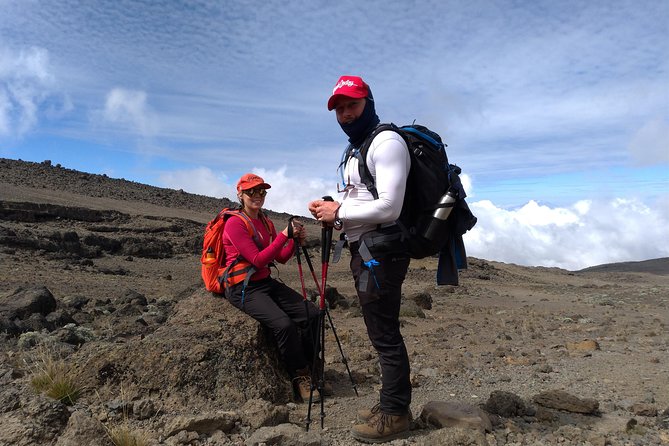
- A route with varied scenery: Expect rainforest, heather, grassy moorland, upland desert, lava ridges, glaciers, and open views.
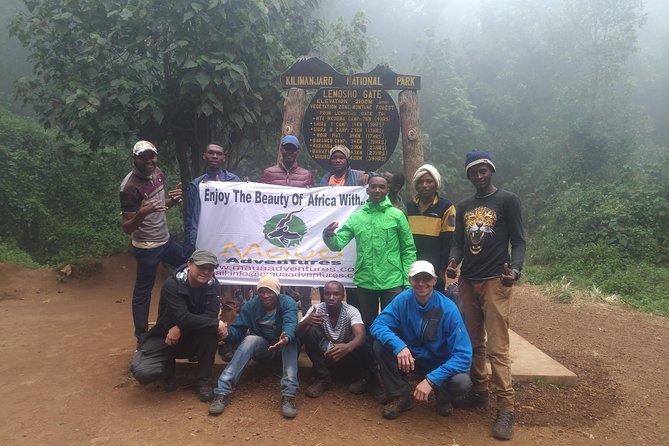
- Small-group format: The maximum group size is 15 people, which should allow a more personal guiding experience than a large expedition.
- Strong support reputation: The company has received repeated praise for organization, guide care, food, and planning help from people who worked with contacts including Jackson, Omary, and Fadhili.
Your first night in Moshi sets the tone
The experience begins with pickup at Kilimanjaro International Airport and transfer to Moshi. The stated meeting time is 2:00 am, but the first-day description says you will be taken to your hotel, so confirm your arrival transfer time before flying. The operator offers pickup, and a mobile ticket is provided.
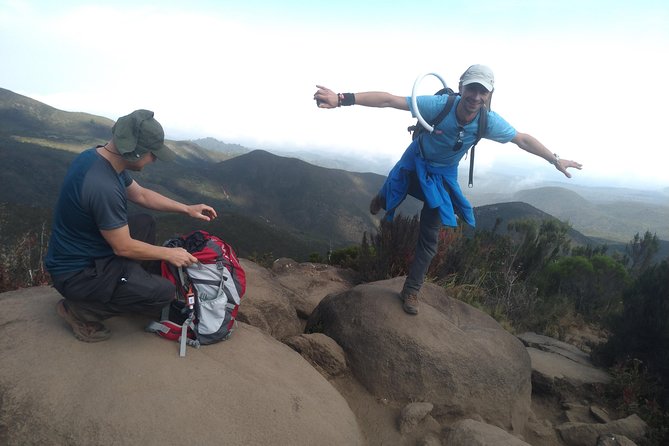
At Lindrin Lodge, accommodation is listed on a bed-and-breakfast basis. You then meet your guide for a briefing and equipment check. This is more important than it sounds. A missing fleece, unsuitable boots, or weak water storage system becomes a major problem once you are high on the mountain.
The useful feature here is the chance to rent missing mountain gear before the climb starts. I would arrive with my main essentials already packed, but this check gives you a final chance to catch mistakes. Use it to discuss clothing layers, headlamps, insulated water reserves, snacks, and anything you plan to wear on summit night.
The company’s planning support has been praised by people who worked with Jackson, particularly for clear communication before arrival and flexibility when dates had to change. That matters on a trek where preparation begins months before your first step.
More Kilimanjaro routes and climbs:
- 7 Days Kilimanjaro via Machame route affordable price
★ 5.0 · 110 reviews - Kilimanjaro Airport taxi to/from Moshi town/Arusha town
★ 5.0 · 60 reviews - 6 Days Climbing Mount Kilimanjaro Machame Route
★ 5.0 · 40 reviews
Day 2: Forest from Lemosho Glades to Big Tree Camp
After breakfast, pickup from the hotel is planned for about 8:00 am. You drive toward the western side of Kilimanjaro and complete registration at Lemosho Gate before walking into the forest.
The first trek covers about 7 kilometers and takes roughly four hours. You climb from 2,385 meters at Lemosho Glades to Big Tree Camp at 2,780 meters. The route is steady rather than dramatic, which is exactly what you want on the opening day.
The forest gives the mountain a gentle introduction. You have shade, a relatively short walking day, and time to settle into the rhythm of walking, eating, drinking, and resting. Breakfast, lunch, and dinner are included on the trekking days.
Do not make the common mistake of treating this as an easy vacation walk. The goal is to conserve energy. Walk slowly from the start, keep your daypack manageable, and pay attention to how you feel. Your guide will be watching your pace and condition, but you should speak up early if something feels wrong.
Day 3: Big Tree Camp to Shira 1 and the first real altitude test
Day 3 covers about 8.5 kilometers and takes around seven hours. You leave the forest and cross grassy moorland and heather, with volcanic rocks scattered across the plateau.
The elevation rises from 2,780 meters to 3,500 meters at Shira 1 Camp. This is where the mountain begins to feel less like a forest hike and more like a high-altitude expedition. Parts of the route are fairly steep, and the long walking time makes this a proper workday.
On a clear day, Kibo Peak may appear above the clouds. That distant view is one of the route’s rewards, but weather can change quickly, so do not count on a perfect panorama.
The slow pace is valuable here. An eight-day Lemosho schedule gives you more time to gain height than shorter routes, though the precise plan supplied for this experience actually places the final descent on Day 9. That extra time is one reason Lemosho is often selected by people focused on acclimatization and summit success.
Day 4: Shira Plateau, Northern Ice fields, and acclimatization
The walk from Shira 1 to Shira 2 covers about 8 kilometers in approximately five hours. You continue across the open Shira Plateau, rising to 3,900 meters.
This section is less about reaching a distant destination and more about allowing your body to adjust. The route offers broad views and unusual angles toward Kibo. You may also see the Northern Ice fields from the western side of the mountain, an especially striking feature of this approach.
An afternoon acclimatization walk is planned after reaching camp. You climb higher for a short period, then return to Shira 2 for dinner and sleep. This climb high, sleep lower pattern is a sensible part of the plan, even though the schedule does not give the exact height or duration of that walk.
I like this day because it provides breathing room. You are not racing from camp to camp. The drawback is that open moorland offers little shelter if the weather turns unpleasant. Bring reliable sun protection and warm layers, since conditions can vary sharply with altitude.
A few more trips of this kind worth comparing:
- Great Migration Safari In Tanzania
★ 5.0 · 71 reviews - 6 Days Tanzania Classic Safari
★ 5.0 · 52 reviews - 8 Days Kilimanjaro Hike via Lemosho Route
★ 5.0 · 39 reviews - 8 Days Great Wildebeest Migration – Mara River Crossing
★ 5.0 · 28 reviews
Day 5: Lava Tower and the descent to Barranco
Day 5 is one of the most useful and memorable sections. You walk about 10 kilometers over roughly seven hours, moving from Shira 2 at 3,900 meters to Barranco Camp at 3,960 meters.
The modest net gain hides the real work. You first climb to Lava Tower at 4,640 meters, passing into the upland desert zone and walking along lava ridges beneath the Western Breach glaciers. Lava Tower is the high point of the day and a natural place for lunch.
Then comes the key move: you descend steeply to Barranco Camp. The camp sits at the base of the Great Barranco Valley, sheltered by high cliffs with wide views toward the plains.
This high climb followed by a lower overnight stop is excellent preparation for the summit. You get a controlled taste of greater altitude without sleeping at the day’s highest point. It can still be a difficult day, especially if you feel headache, nausea, unusual tiredness, or shortness of breath. Tell your guide immediately. The route is not a contest, and pushing through serious altitude symptoms is unsafe.
Day 6: The Barranco Wall and Karanga Valley
The walk to Karanga Camp is shorter at about 5.5 kilometers, but the five-hour estimate can feel optimistic if the Barranco Wall is slow for your group. You begin by dropping into the Great Barranco, then climb the wall on rock.
The Barranco Wall is not described as a technical climb, but it is steep, tiring, and hands-on in places. You need patience, careful foot placement, and a willingness to move at the pace of the person ahead. This is not the moment for a heavy, poorly fitted daypack.
After the wall, the route passes beneath the Heim and Kersten glaciers before reaching Karanga Valley. A steep climb out of the valley brings you to camp at 3,963 meters, almost the same elevation as Barranco.
For anyone still feeling strong, an afternoon acclimatization walk may reach about 4,200 meters before returning to camp. That optional effort should depend on your condition, not pride. Rest is a perfectly sensible choice if your body is struggling.
Day 7: Barafu Camp prepares you for the hardest night
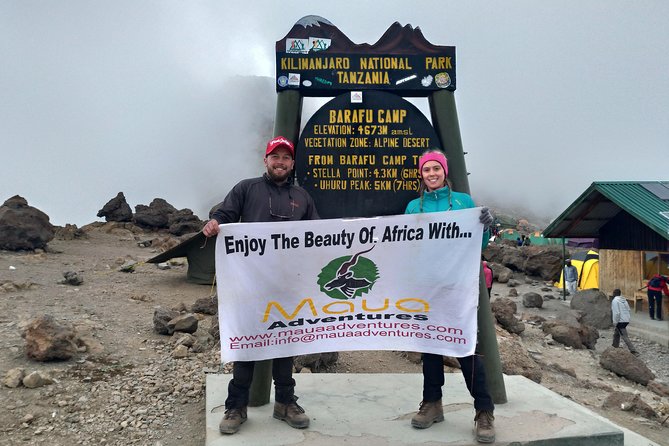
The route from Karanga to Barafu is short in distance, about 3 kilometers, and takes around three hours. It is not easy. You climb through barren scree to Barafu Camp at about 4,640 meters, with no vegetation to soften the setting.
This is a tough, exposed camp, and the altitude makes even a short walk feel heavy. Once you arrive, eat, drink, organize your gear, and rest. The plan calls for an early dinner and sleep before waking between 11:00 pm and midnight.
The practical challenge is not just fitness. You must have your summit clothing, headlamp, insulated water reserves, and snacks ready before trying to sleep. Hot tea and biscuits are planned for around 11:30 pm.
The supplied schedule gives Barafu as 4,640 meters on Day 7 and 4,680 meters on summit day. That small difference may simply reflect rounding or a camp measurement variation, but you should expect conditions to be extremely cold and thin at either height.
Day 8: Uhuru Peak, Stella Point, and the long descent
Summit day begins around midnight. You climb slowly toward Kibo, with the route becoming steeper and more demanding as you approach the crater rim.
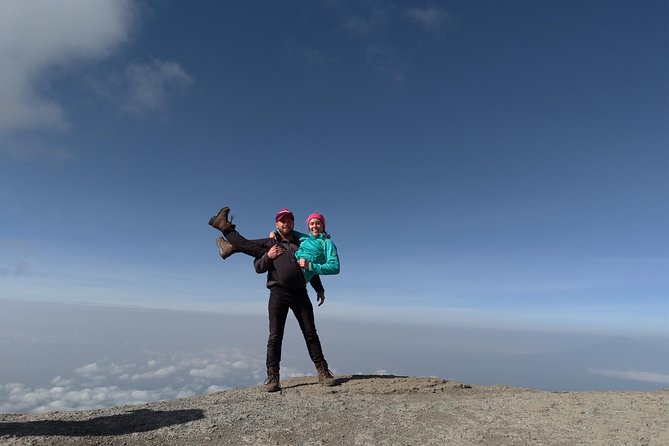
The planned ascent to the rim takes about six to eight hours. Stella Point sits at 5,739 meters, while Uhuru Peak reaches 5,895 meters. Reaching Stella Point is a major achievement, but the full summit goal is Uhuru Peak, the highest point on Kilimanjaro.
The best advice is simple: keep moving slowly, one step at a time. Do not burn energy trying to match somebody else’s pace. The long night, cold, darkness, and altitude can make small tasks feel surprisingly difficult.
After the summit attempt, you descend to Mweka Camp at about 3,100 meters. The supplied schedule gives this combined summit and descent day approximately 10 hours, though your actual time can vary with weather, rest stops, and how far you go toward the summit.
This is the toughest part of the entire experience. You climb more than 1,200 meters from Barafu to Uhuru Peak, then lose a large amount of elevation before sleeping. Build your expectations around endurance, not comfort.
Day 9: Rainforest descent to Mweka Gate
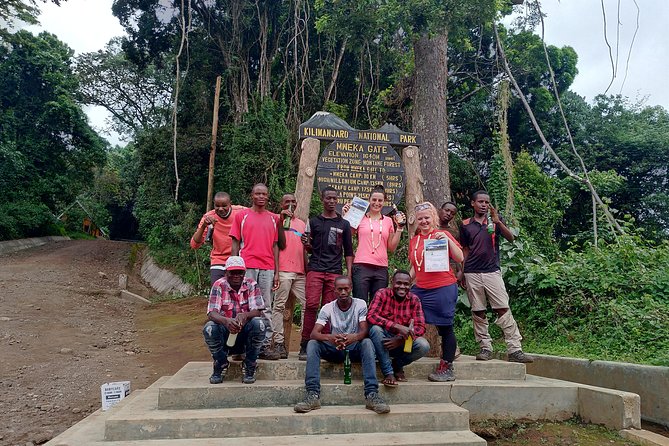
The final walk covers about 9 kilometers and takes three to five hours. You descend through the lower rainforest from Mweka Camp to Mweka Gate at 1,640 meters.
Compared with summit day, this should feel pleasant, but tired legs can make the downhill sections uncomfortable. Take care with your footing and avoid rushing simply because the finish is close.
If you reach Stella Point, you receive a green certificate. If you reach Uhuru Peak, you receive a gold certificate. After the descent, the customary practice is to tip the trekking crew before returning to your hotel in Moshi.
The published duration says approximately eight days, but the supplied day-by-day schedule is clearly nine days from airport arrival through the Mweka Gate descent. Confirm the exact number of hotel nights, trekking days, and return arrangements before paying.
How the $2,310 price measures up
At $2,310 per person, this is a major purchase, but the value depends on what is actually included in your final booking confirmation. The package includes airport pickup, hotel accommodation on the first night, guide briefing, equipment checking, mountain gear rental access for missing items, and meals listed as breakfast, lunch, and dinner during the trek.
The maximum group size is 15. That is small enough for a more personal group than a large commercial climb, but it is not a private trek. Ask how many guides, porters, and cooks will accompany your group, since the supplied details do not specify the staffing for this particular departure.
Only parking fees are explicitly listed under inclusions, while personal items are excluded. That makes it especially important to confirm park fees, camping arrangements, transfers, crew tips, gear rental charges, drinks, insurance, and any extra hotel nights. Do not assume that a feature described in the schedule is automatically covered in the price.
The strongest value comes from the route length and preparation. You are paying for a slower approach, several acclimatization opportunities, airport handling, and organized support rather than simply being taken up and down the mountain. If your priority is the cheapest possible Kilimanjaro climb, this may not be the right package. If your priority is time on the route and support before summit night, the price can make sense.
The human side of the climb
The company has received repeated praise for its guides and support team. Names connected with positive experiences include Jackson for trip planning, Omary and Fadhili for guiding, and other crew members such as Wency Machiba, Kurwa-shef, Ramadhani, Regan, Subaru, and Frank.
You should not assume a particular person will lead your departure. Instead, ask for the guide names and crew structure in writing. The useful pattern in the feedback is clear: people valued professional guides, careful support, good food, and practical help when planning from overseas.
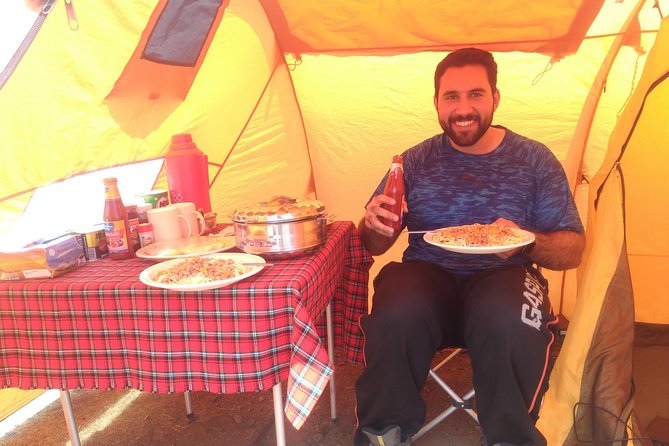
Food matters more than many first-time climbers expect. Three meals are listed on trekking days, and the company has been praised for the quality of meals. At altitude, eating enough can be difficult, so familiar snacks in your daypack remain a wise backup.
Who should choose this route?
I would recommend Lemosho to you if you have a moderate level of fitness, can walk for several hours on consecutive days, and prefer a gradual build-up to a high summit attempt. It suits people who value scenery and acclimatization more than a rushed schedule.
You do not need technical climbing experience for the Barranco Wall, which is described as nontechnical. You do need stamina, patience, and comfort with cold, steep ground and a midnight start.
This route is not a good match if you want a relaxed mountain holiday, dislike early starts, or have not prepared for high altitude. The phrase moderate physical fitness should not be read as easy. The summit day alone combines a long uphill climb with a major descent.
Free cancellation is available up to 24 hours before the experience start time for a full refund. Changes or cancellations inside that window are not accepted for a refund, and poor weather may lead to a new date or full refund.
Should you book the Lemosho Route?
I would book this experience if the operator confirms the nine-day schedule, the full list of inclusions, and the crew arrangements before payment. The route itself is a strong choice: scenic, gradual, and built around several altitude checks rather than a frantic ascent.
The biggest warning is the mismatch between eight days in the summary and nine days in the detailed plan. Clear that up first. Then budget separately for personal equipment, insurance, tips, and any charges not stated in the price.
If you want Kilimanjaro with strong organization, thoughtful pacing, airport pickup, and a maximum group size of 15, this is a promising option. If you want the lowest price or a soft adventure, choose something else. Kilimanjaro demands respect, and Lemosho gives you a sensible chance to meet that challenge at a steady pace.
FAQ
Where does the Lemosho Route experience begin?
The listed starting point is Kilimanjaro International Airport on Kilimanjaro Airport Road in Tanzania. Airport pickup is offered.
How long does the experience last?
The summary describes the experience as approximately eight days, but the detailed schedule runs from Day 1 through Day 9, ending at Mweka Gate. Confirm the exact duration with Maua Adventures before booking.
What is the price?
The listed price is $2,310 per person.
What is the maximum group size?
The maximum group size is 15 people.
Is airport pickup available?
Yes. Pickup is offered, and the experience begins with transfer from Kilimanjaro International Airport to a hotel in Moshi.
Where is the first night’s accommodation?
The first night is listed at Lindrin Lodge on a bed-and-breakfast basis.
Are meals included?
Breakfast, lunch, and dinner are listed as included during the trekking days.
What fitness level is required?
A moderate physical fitness level is required. The route includes several long walking days, steep sections, a climb to 5,895 meters, and a long summit-night descent.
Can I cancel for a full refund?
You can cancel at least 24 hours before the local start time for a full refund. Cancellations or changes made less than 24 hours before the start time are not refunded. If poor weather causes cancellation, you may be offered another date or a full refund.
Just added around Kilimanjaro
- 5 days Serengeti Wildebeest Migration Safari★ 5.0 · 3 reviews
- Tanzania Safari and Kilimanjaro Climb Multi-Day Experience★ 5.0 · 3 reviews
- 9 Days – Best of Tanzania Safari★ 5.0 · 4 reviews
- 7 Days Mountain Kilimanjaro climb Machame Route★ 5.0 · 4 reviews
- 8-Day Tanzania Migration Footsteps – Midrange★ 5.0 · 4 reviews
- 4 Days Lake Manyara National Park, Ngorongoro Crater , Serengeti National Park.★ 4.0 · 4 reviews
- 6 Days Mara River Crossing – The Great Migration★ 5.0 · 5 reviews
- 6- Day Adventure Lodge safari to see Migration★ 4.5 · 5 reviews
Kilimanjaro Treks, compared.



8-Day Small-group Lemosho Kilimanjaro Summit Trekking
Read our review →


Climbing Kilimanjaro through 7 days Machame Route
Read our review →

Browse the lists this tour appears in